


The best time to visit Peru is generally from May to September, when the Andes have their driest weather and conditions are especially favorable for visiting Cusco, Machu Picchu and trekking routes. However, that does not mean these are automatically the best months for every traveler.
April, May, September and October can be excellent alternatives if you want a better balance between weather and crowds. Meanwhile, Peru’s coast and Amazon follow different seasonal patterns, so the right month depends heavily on where you plan to go and what you want to do. This regional variation is one of the main reasons leading Peru travel guides avoid naming a single perfect month for the entire country.
As a local tour operator based in Cusco, Peru Top Experience works with travelers visiting Machu Picchu, the Inca Trail, Salkantay and destinations throughout Peru. In this guide, we focus less on finding a theoretical “perfect” month and more on helping you choose the period that actually suits your itinerary.
When Is the Best Time to Visit Peru?
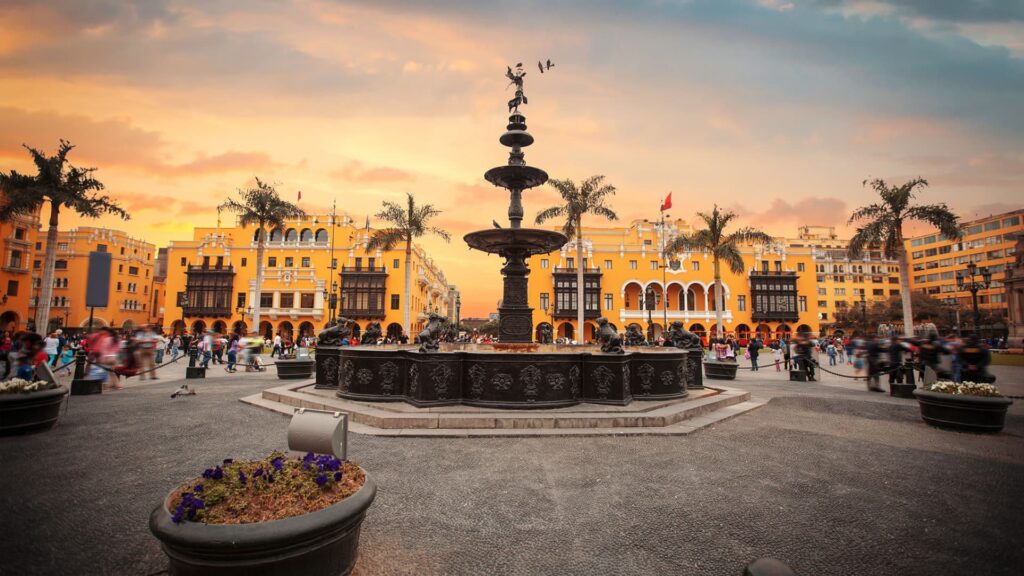
For most first-time visitors planning to combine Cusco, the Sacred Valley and Machu Picchu, May through September offers the most reliable conditions.
These months fall within the dry season in the Peruvian Andes. Days are generally clearer and rainfall is lower, which is especially useful if your trip includes archaeological sites, mountain scenery or long days outdoors. The trade-off is that June through August also coincides with Peru’s busiest tourism period.
If you have some flexibility, the months around peak season can be more attractive.
| What matters most to you | Best period to consider |
|---|---|
| Best overall weather in the Andes | May–September |
| Fewer crowds with generally favorable conditions | April–May and September–October |
| Trekking in the Andes | May–September |
| Cusco and Machu Picchu | May–September |
| Lima and the Pacific coast | December–March |
| Green Andean landscapes | March–April |
| Lower visitor numbers | November–April, outside major holidays |
| Inti Raymi in Cusco | June |
Condé Nast Traveler, for example, highlights April–May and September–November as particularly appealing periods because they can offer favorable weather without the same peak-season crowds. Wilderness Travel similarly points to months such as April, October and November for travelers looking beyond the busiest dry-season window.
Best time for good weather
If weather is your main priority, May through September is the safest choice for the Peruvian Andes.
This is especially relevant if your itinerary includes our Machu Picchu tours, the Sacred Valley or high-altitude hikes around Cusco.
The days are usually drier, while evenings and early mornings can be cold, particularly at altitude. July and August are among the driest months in many Andean areas, but travelers should not interpret “dry season” as a guarantee of completely rain-free days.
Best time for fewer crowds
If you prefer to avoid the busiest part of the season, consider April, May, September or October.
These shoulder-season months can provide a useful compromise: reasonably favorable weather in the Andes without the same visitor concentration typical of June, July and August.
May and September are particularly attractive for travelers who still want conditions suitable for outdoor activities while having more flexibility around popular destinations.
For Machu Picchu, however, “fewer crowds” does not mean you can leave planning until the last minute. Entry is controlled through timed circuits and availability can still become limited, particularly on popular dates.
Best time for trekking
For most high-altitude routes around Cusco, May through September is the main trekking season.
Dryer trails, clearer mountain views and more predictable conditions make this period particularly popular for the Inca Trail and Salkantay treks. These two clusters are also among the main trekking experiences offered by Peru Top Experience.
That does not mean trekking outside those months is impossible. April and October can also work well depending on conditions, while the wetter months require more preparation and tolerance for changing weather.
One important exception is February: the classic Inca Trail closes annually for maintenance, even though Machu Picchu itself remains open. This distinction is important because travelers sometimes assume the entire destination closes during February.
Peru’s Seasons: Dry, Rainy and Shoulder Months
Peru is often described as having a dry season and a rainy season, but that simplification mainly applies to the Andes.
The country contains several very different geographic regions. Weather in Cusco can be completely different from conditions in Lima or the Amazon on the same day. Viva Expeditions and Apus Peru both emphasize this regional contrast when explaining when to travel.
For planning purposes, think of Peru in three broad zones:
- Andes: Cusco, Sacred Valley, Machu Picchu, Rainbow Mountain, Lake Titicaca and most major trekking routes.
- Pacific coast: Lima, Paracas, Ica and other coastal destinations.
- Amazon: rainforest destinations in southeastern and northern Peru.
Dry season: May to October
In the Andes, the dry season generally runs from around May through October.
This is the period most travelers associate with the best conditions for Cusco and Machu Picchu. Rainfall is lower, skies are often clearer and trekking routes are generally easier to navigate. Wilderness Travel, Audley and Intrepid all identify this broad period as the principal dry-season travel window for the Andean part of Peru.
The disadvantages are equally important:
- June through August attracts the largest visitor numbers.
- Popular trains, Machu Picchu entry times and trekking departures can fill earlier.
- Nights at altitude can become very cold.
- Landscapes can look drier later in the season than they do immediately after the rains.
If your trip is centered on Machu Picchu without a multi-day trek, you do not necessarily need the absolute driest month. A well-planned Machu Picchu Full Day tour is possible throughout much more of the year.
Rainy season: November to April
The rainy season in the Andes generally extends from approximately November through April, with the wettest conditions often occurring around January and February.
For some travelers, that immediately sounds like a period to avoid. It is more nuanced than that.
The rainy months bring greener mountain scenery and lower tourist numbers. There can also be clear periods between showers, rather than continuous rainfall every day. Audley notes that the wetter season can offer greener scenery and fewer visitors, even though travel becomes less predictable.
The main disadvantages are more obvious for trekking:
- muddier trails,
- increased likelihood of rain,
- cloud cover that can obscure mountain views,
- more difficult walking conditions,
- greater need for waterproof clothing and flexible expectations.
For travelers concentrating on cultural sightseeing rather than trekking, some rainy-season months can still work perfectly well.
Shoulder season: April–May and September–October
For many travelers, the shoulder seasons offer the strongest overall compromise.
April and May come just after the heaviest rains. The Andes are often greener, rainfall is decreasing and peak-season crowds have not yet reached their highest levels.
September and October sit on the other side of the dry season. Conditions can remain favorable while the heavy June–August demand begins to ease.
This is why several high-ranking travel sources do not simply recommend July or August as the “best” time. They emphasize periods around the edges of peak season instead.
Best Time to Visit Peru by Month
There is no month that performs equally well across every part of Peru. The useful question is what each month is best suited for.
| Month | Andes & Machu Picchu | Coast | Crowds | Good choice for |
|---|---|---|---|---|
| January | Wet | Warm | Moderate | Coast, travelers comfortable with rain |
| February | Wettest period; Inca Trail closed | Warm | Lower | Coast, cultural trips |
| March | Wet, improving later | Warm | Moderate | Green landscapes |
| April | Transition to dry season | Pleasant | Moderate | Balanced Peru itineraries |
| May | Dry season begins | Cooler | Increasing | Machu Picchu, trekking |
| June | Dry and clear | Cool/cloudier in Lima | High | Trekking, Inti Raymi |
| July | Very dry, cold nights | Cool | Very high | Andes, trekking |
| August | Dry | Cool | High | Andes and outdoor activities |
| September | Mostly dry | Gradually warming | Moderate | Trekking with fewer crowds |
| October | Transition month | Warmer | Moderate | Flexible itineraries |
| November | Rains increase | Warmer | Lower | Fewer crowds |
| December | Wetter Andes | Summer on coast | Higher around holidays | Coastal travel, holiday trips |
The following monthly breakdown focuses mainly on what matters for a typical international trip that includes Cusco or Machu Picchu.
Visiting Peru in January
January falls within the rainy season in the Andes.
Cusco, the Sacred Valley and Machu Picchu can experience frequent rain, cloud and rapidly changing conditions. Trails are wetter, so January is not usually the first choice for travelers planning demanding multi-day trekking.
The advantage is the landscape. The valleys and mountains are greener than during the late dry season, and visitor levels are generally lower than in the middle of the year.
On the coast, the situation is very different. January is part of summer, making it a more attractive period for Lima and coastal destinations.
Choose January if your itinerary is flexible, you do not mind rain and you want to combine Peru’s coast with cultural sightseeing in the Andes.
Visiting Peru in February
February is one of the wettest months in the Cusco region.
It is also the month when the classic Inca Trail closes for annual maintenance. Machu Picchu does not close with it, so travelers can still visit the archaeological site using the train route and other available approaches.
This makes February a poor choice if walking the classic Inca Trail is one of the main reasons for your trip.
If Machu Picchu itself is your priority, however, February remains possible. Travelers should simply expect rain and build more flexibility into the itinerary.
Visiting Peru in March
Rain continues in March, but conditions gradually begin moving toward the drier part of the year.
The main attraction is the scenery. The Andes are often exceptionally green after several months of rainfall.
March can suit travelers who value landscapes and lower visitor numbers more than consistently dry hiking conditions.
For multi-day trekking, you still need to prepare for mud, rain and changing trail conditions.
Visiting Peru in April
April is one of the most interesting months for a Peru trip.
The wet season is ending in the Andes, landscapes remain green, and visitor numbers are usually lower than during the June–August peak.
For travelers who want Cusco, the Sacred Valley and Machu Picchu without deliberately choosing the busiest part of the year, April deserves serious consideration. Several travel specialists highlight this transition period as a strong alternative to peak season.
Weather can still be variable, particularly earlier in the month, so it is not as predictable as June or July.
Visiting Peru in May
May is one of the strongest all-round months to visit Peru.
Dry-season conditions are becoming established in the Andes, while visitor numbers have not necessarily reached their July and August peak.
This makes May particularly suitable for:
- Machu Picchu,
- Cusco and the Sacred Valley,
- the Inca Trail,
- Salkantay,
- Rainbow Mountain,
- other high-altitude hikes.
If your trip is built around trekking, this is also the point in the year when conditions become considerably more dependable.
Peru Top Experience operates both the Inca Trail and several Salkantay Trek itineraries, including shorter and longer routes to Machu Picchu.
Visiting Peru in June
June brings some of the clearest and driest conditions of the year to the Andes.
It is also an important cultural month in Cusco. Inti Raymi, the Festival of the Sun, is celebrated on June 24 and is one of the most significant annual events for visitors interested in Inca heritage. Peru Top Experience also operates an Inti Raymi experience in Cusco.
The trade-off is demand. June is already firmly within high season, so major attractions and travel services become busier.
If Inti Raymi is an important part of your trip, June is obviously difficult to replace. If it is not, May or September may offer a similar Andean travel experience with somewhat less pressure from peak-season demand.
Visiting Peru in July
July is one of Peru’s driest and busiest months in the Andes.
For trekking, this is excellent weather territory. Clearer skies and low rainfall are particularly attractive for routes around Cusco.
But there are two factors to consider.
First, nighttime temperatures at altitude can be very cold. Second, July is firmly within peak tourism season, especially around Cusco and Machu Picchu.
Travelers planning a 4-day Salkantay Trek or similar high-altitude experience should therefore prepare for strong temperature differences between daytime hiking and early mornings or nights.
For weather alone, July is excellent. For the best balance of weather and visitor levels, it is not necessarily the winner.
Visiting Peru in August
August remains firmly within the dry season and is another strong month for the Andes.
Conditions are generally suitable for hiking, Machu Picchu and high-altitude attractions such as Rainbow Mountain.
The Rainbow Mountain day tour climbs above 5,000 meters, so the season alone does not remove the need to prepare for altitude and rapidly changing mountain weather. Peru Top Experience specifically identifies Rainbow Mountain as one of its high-altitude day-hike products.
August can still be busy, although the exact pressure varies throughout the month.
For travelers whose priority is predictable trekking conditions, it remains one of the strongest choices of the year.
Visiting Peru in September
September is one of the best months to visit Peru if you want dry-season conditions without choosing the absolute peak of July or August.
Rainfall is still relatively low in the Andes, trekking conditions are generally favorable, and daytime temperatures begin to feel slightly milder as the austral spring approaches.
For travelers planning Machu Picchu, the Sacred Valley and one major hike, September offers a particularly strong balance between weather and visitor numbers.
It is also a good period for longer trekking routes. The Inca Trail and Salkantay routes are both well suited to this part of the year, while conditions at high altitude remain considerably drier than during the summer rainy season.
If your schedule is flexible and you are not tied to school holidays, September is one of the first months we would consider for a classic Peru itinerary.
Visiting Peru in October
October is another transition month and can be an excellent choice for travelers willing to accept slightly less predictable weather.
The Andes are moving toward the rainy season, but October often still provides many good days for sightseeing and hiking. At the same time, visitor pressure is generally lower than during the middle of the dry season.
This makes October attractive for travelers who want:
- Machu Picchu without peak-season intensity,
- Cusco and the Sacred Valley,
- trekking with more flexible dates,
- a broader Peru itinerary combining several regions.
Rain becomes increasingly possible as the month progresses, so waterproof layers should already be part of your packing plan.
For a trip that prioritizes good conditions but does not require the driest possible weather, October can be one of the most balanced months of the year.
Visiting Peru in November
November marks a clearer shift toward the rainy season in the Andes.
Rain becomes more frequent around Cusco and Machu Picchu, although conditions are still highly variable. Some days can be clear and pleasant, while others bring afternoon or evening showers.
The advantage is lower visitor pressure compared with the June–August peak.
November can therefore work well for travelers who:
- are comfortable with changing weather,
- prefer quieter archaeological sites,
- are not building the entire trip around demanding trekking,
- want to combine the Andes with other parts of Peru.
As the rains return, the landscape also begins becoming greener.
For travelers focused mainly on Cusco, the Sacred Valley and Machu Picchu rather than a multi-day trek, November should not automatically be ruled out.
Visiting Peru in December
December is part of the wet season in the Andes but the beginning of summer on Peru’s Pacific coast.
That contrast makes December a good example of why there is no single national “best season.”
Around Cusco and Machu Picchu, rainfall becomes more frequent and hikers need to prepare for wetter trails. Meanwhile, Lima and coastal destinations enter one of their warmer and sunnier periods.
December can therefore work especially well for itineraries combining:
- Lima,
- Paracas and Ica,
- Cusco,
- the Sacred Valley,
- Machu Picchu.
Peru Top Experience operates trips in both the Cusco region and coastal destinations including Lima, Ica and Paracas, so these regions can be combined within the same itinerary rather than treated as separate trips.
The main period to watch is the Christmas and New Year holiday window, when demand can rise again despite the rainy season.
Best Time to Visit Peru by Destination
The month that works best for Machu Picchu is not necessarily the month that works best for Lima or the Amazon.
Peru’s geography changes dramatically over relatively short distances, so the most useful way to choose your travel dates is to look at the destinations in your actual itinerary.
Best Time to Visit Machu Picchu
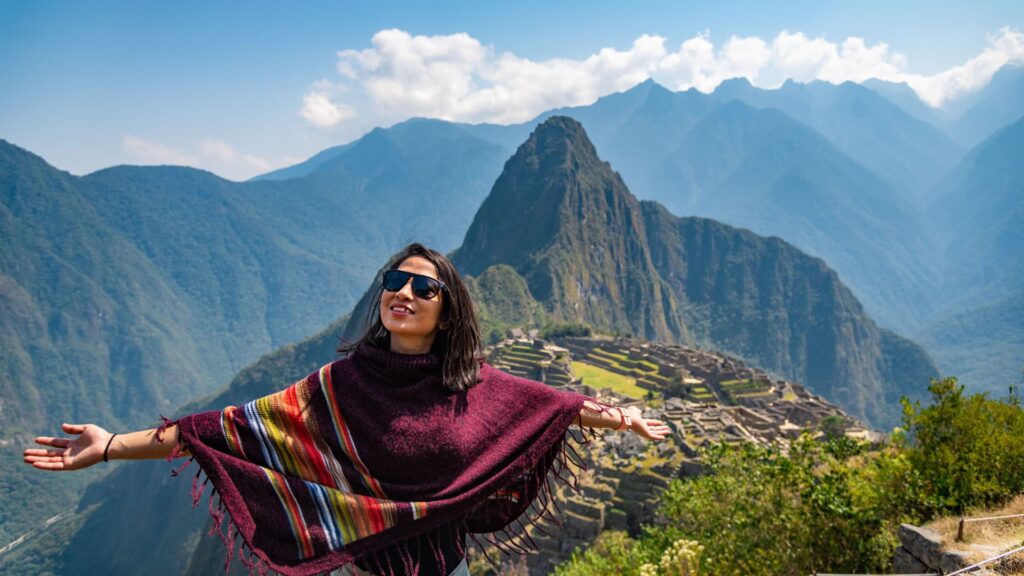
For most travelers, the best time to visit Machu Picchu is from May to September, when rainfall in the Andes is lower and clearer conditions are more common.
May and September are particularly appealing because they sit close to peak dry-season conditions without necessarily bringing the same visitor concentration as July and August.
That said, Machu Picchu is a year-round destination.
The archaeological site remains open during the rainy season, including February. What changes is the likelihood of rain, cloud and reduced visibility.
If photography and mountain views are priorities, the dry season offers the best odds. If fewer visitors and greener scenery matter more, April, October or even parts of the rainy season can still be worthwhile.
Travelers visiting from Cusco can choose between different trip formats depending on the time available. Peru Top Experience operates a Machu Picchu Full Day tour as well as a 2-day Machu Picchu overnight tour. Both sit within the main Machu Picchu tours cluster.
Best Time to Visit Cusco and the Sacred Valley
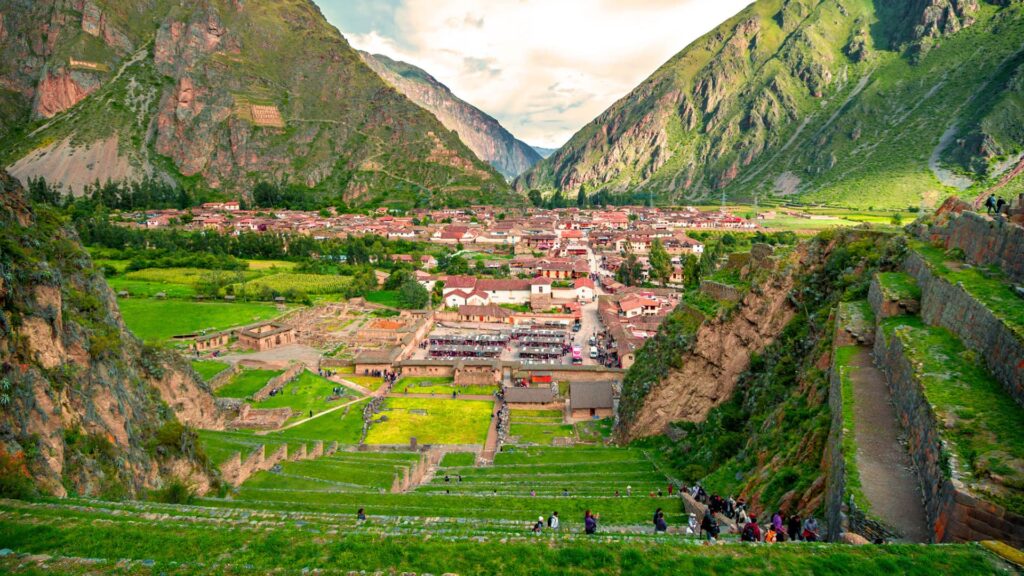
Cusco and the Sacred Valley are at their driest from roughly May through September.
These months are excellent for exploring archaeological sites such as Sacsayhuamán, Pisac and Ollantaytambo, particularly if your itinerary involves full days outdoors.
However, the transition months deserve serious consideration.
April offers greener scenery after the rainy season, while September and October can combine relatively favorable weather with fewer peak-season visitors.
June is a particularly important month culturally because Cusco celebrates Inti Raymi on June 24. Travelers specifically interested in festivals may consider this a reason to visit despite the larger crowds.
For a first trip to the region, combining a Cusco City Tour with a Sacred Valley tour before visiting Machu Picchu also creates a more gradual itinerary at altitude. These are part of the core Cusco products mapped within Peru Top Experience’s internal linking structure.
Best Time to Visit Lima and the Peruvian Coast
The Peruvian coast follows a very different pattern from the Andes.
For Lima and many coastal destinations, December through March brings warmer conditions and more sunshine. This is the period that feels most like a conventional summer season.
From approximately May through October, Lima often experiences cooler temperatures, cloud cover and coastal mist locally known as garúa.
That does not prevent sightseeing, but travelers expecting bright blue summer skies can be surprised if they visit Lima during the same months considered ideal for Cusco.
This creates an important trade-off for multi-region trips:
- May–September: stronger weather for the Andes, cooler and cloudier in Lima.
- December–March: warmer coast, wetter Andes.
- April and October: useful compromise months for combining both.
Travelers planning more than a week in Peru can often solve this by treating Lima as one part of a broader itinerary rather than choosing dates based on the capital alone.
Peru Top Experience also operates tours beyond Cusco, including Lima and the Ica–Paracas region.
Best Time to Visit the Peruvian Amazon
The Peruvian Amazon is hot, humid and rainy throughout the year, but rainfall levels and river conditions still change seasonally.
In broad terms, travelers can think of two periods:
Lower-rainfall season: approximately May through October.
Wetter season: approximately November through April.
The drier months can make some jungle walks and land-based activities easier, while higher water levels during wetter periods can improve access to certain areas by boat.
Unlike in the Andes, the distinction is not “good season versus bad season.” Both periods offer different experiences.
If your Peru itinerary combines the Amazon with Cusco, Machu Picchu or trekking, May through September is often the easiest window because it also aligns with the Andean dry season.
Best Time to Visit Lake Titicaca and Southern Peru
Lake Titicaca sits at very high altitude and follows an Andean seasonal pattern similar to Cusco.
The driest conditions generally occur from May through September, with sunny days but cold nights and early mornings.
For travelers combining Cusco and Puno, this is one reason the dry season works particularly well: the same travel window is favorable for both regions.
Peru Top Experience includes Puno and Lake Titicaca within its wider Peru portfolio and also operates longer itineraries connecting the country’s main destinations.
A longer trip such as a 10-day Peru itinerary including Machu Picchu and Lake Titicaca allows these high-altitude destinations to be planned within the same seasonal window.
Best Time for Trekking in Peru
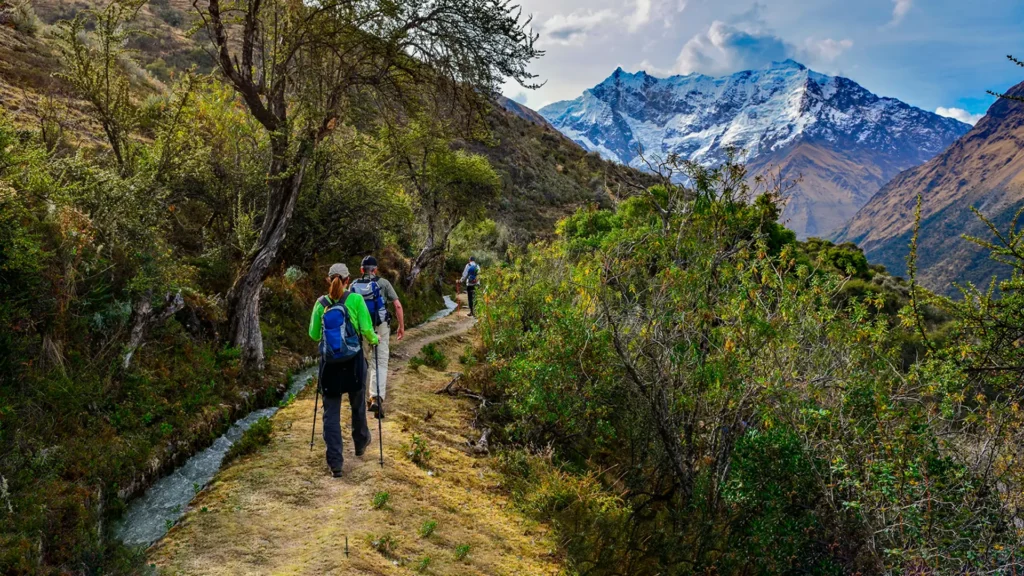
For most trekking routes in the Peruvian Andes, May through September is the main hiking season.
Lower rainfall generally means firmer trails, clearer views and fewer weather-related disruptions.
However, the best month depends on the route.
Best Time for the Inca Trail
The classic Inca Trail is generally best hiked from May through September.
These months provide the driest conditions, which matters on a multi-day route involving stone paths, mountain passes and campsites.
April and October can also be excellent choices for travelers who want to avoid the busiest part of the season and are comfortable with a slightly higher chance of rain.
The key month to remember is February.
The classic Inca Trail closes every February for annual maintenance, so it is not possible to complete the standard route during that month. Machu Picchu itself remains open.
Peru Top Experience is an authorized Inca Trail operator, one of the credentials that distinguishes the company from agencies that simply resell the trek through third parties.
Travelers considering the route can review the available Inca Trail tours before choosing dates.
Best Time for the Salkantay Trek
The best time for the Salkantay Trek is generally May through September.
Salkantay reaches high elevations and passes through very different ecosystems, so stable weather is particularly valuable.
During the dry season, hikers are more likely to encounter:
- clearer mountain views,
- firmer trails,
- lower rainfall,
- colder nights at high elevation.
April and October can also be attractive shoulder-season options.
During the rainy season, the route becomes wetter and more demanding. Anyone choosing those months should be prepared for mud, cloud, rain and rapidly changing conditions.
Peru Top Experience offers several versions of the route, including the 4-day Salkantay Trek, 5-day Salkantay Trek and shorter or combined itineraries.
Best Time for Rainbow Mountain
Rainbow Mountain is accessible for much of the year, but the dry season from May through September generally provides the best odds of clear mountain views.
Rain, cloud or snow can obscure the colors during wetter periods.
Altitude is just as important as seasonality here. Vinicunca sits above 5,000 meters, so travelers should acclimatize before attempting the hike regardless of the month.
Peru Top Experience operates both the classic Rainbow Mountain day tour and a Palccoyo Rainbow Mountain tour, giving travelers two different ways to experience the region.
Best Time for Humantay Lake
Humantay Lake is another high-altitude destination where the dry season generally offers the most reliable conditions.
May through September provides better odds of clear views of the lake and surrounding snow-capped mountains.
Because Humantay is also part of the broader Salkantay trekking area, weather patterns are similar.
Travelers who do not want to commit to a multi-day trek can visit the lake on a Humantay Lake day tour. The destination also connects naturally with longer Salkantay itineraries.
When Should You Avoid Visiting Peru?
There is no month when all of Peru should be avoided.
The better question is which months are less suitable for a particular trip.
Avoid February if hiking the classic Inca Trail is essential
The route closes during February for maintenance.
You can still travel to Cusco and visit Machu Picchu by train, but you cannot complete the classic Inca Trail during this period.
Think carefully about January and February for trekking
These are among the wettest months in the Andes.
If your trip revolves around multi-day hiking, wet trails and cloud cover may reduce the experience you are looking for.
For cultural sightseeing, however, the same months remain viable.
Avoid July and August if crowds are your main concern
These months offer excellent Andean weather, but they are also among the busiest.
If you have flexibility, May, September or October may give you a better balance.
Do not choose your Peru dates based only on Lima weather
Summer on the coast corresponds with the rainy season in the Andes.
Likewise, the dry Andean season overlaps with Lima’s cooler and cloudier months.
For a multi-region trip, prioritizing the part of Peru that matters most to you is usually more useful than looking for perfect weather everywhere.
Best Time to Visit Peru for Festivals
Weather is not the only reason to choose a particular month.
Peru’s cultural calendar can strongly influence the experience, especially in Cusco.
Inti Raymi — June 24
Inti Raymi, the Festival of the Sun, is one of the most important celebrations in Cusco.
The main ceremonies take place on June 24 and recreate an important Inca celebration through performances at significant locations in and around the city.
June already sits within the dry season, so travelers choosing Inti Raymi also benefit from favorable conditions for Cusco, Machu Picchu and many trekking routes.
The disadvantage is higher demand.
If Inti Raymi is a priority, accommodation, transport and tour arrangements should form part of the trip planning rather than being added at the last minute.
Peru Top Experience includes Inti Raymi among the cultural experiences it operates in Cusco.
How to Choose the Best Month for Your Peru Trip
Rather than starting with the calendar, start with the trip you want to take.
For Machu Picchu, Cusco and the Sacred Valley
Choose May, June, September or early October if you want a strong balance of weather and sightseeing conditions.
July and August are also excellent for weather, but expect greater demand.
For an Inca Trail or Salkantay-focused trip
Prioritize May through September.
April and October are reasonable alternatives if you accept more weather variability.
Avoid February if the classic Inca Trail itself is non-negotiable.
For fewer crowds
Look seriously at April, May, September, October and November.
The exact month should depend on how comfortable you are with rain.
For Lima and coastal Peru
Consider December through March if warm and sunnier coastal weather is a priority.
For a first trip covering several regions
May and September are especially strong choices.
They work well for Cusco, Machu Picchu and many southern destinations, while avoiding some of the most intense peak-season demand.
Travelers who want a ready-made route covering several highlights can also compare Peru Top Experience’s multi-day packages, including its 7-day Lima, Cusco and Machu Picchu itinerary and 2-week Peru itinerary. These packages are specifically identified in the site’s internal linking plan as high-conversion destinations for broad Peru planning content.
Frequently Asked Questions About the Best Time to Visit Peru
For many first-time travelers, May and September are two of the strongest months because they combine favorable conditions in the Andes with less peak-season pressure than July and August.
The best month still depends on your itinerary. Travelers focusing on Peru’s coast may prefer the December–March summer period.
May through September generally provides the driest weather around Machu Picchu.
May and September are particularly useful if you want to combine favorable conditions with somewhat lower visitor pressure than the middle of the peak season.
In the Peruvian Andes, the rainy season broadly runs from November through April, with January and February among the wetter months.
The Pacific coast follows a different climate pattern, so this definition should not be applied to the entire country.
No.
Machu Picchu remains open in February. It is the classic Inca Trail that closes during the month for annual maintenance.
Travelers can still reach Machu Picchu using other available transport and routes.
Lower-demand periods generally occur outside the June–August high season and major holiday weeks.
Parts of the rainy season can therefore offer more favorable pricing or availability for some travel services.
However, the cheapest month varies by flight market, destination and booking date, so weather should not be the only factor used to choose a trip.
Yes, July falls within the peak travel season in the Andes.
Cusco, Machu Picchu and popular trekking routes receive high demand because weather conditions are generally dry and favorable.
Travelers wanting similar weather with somewhat less pressure should consider May or September.
Yes.
October can be an excellent shoulder-season month, especially for travelers who want to avoid peak dry-season crowds.
Rain becomes more likely as the month progresses, but conditions can still be suitable for Cusco, Machu Picchu and trekking.
Yes.
Peru remains open and travel continues during the rainy season.
The main difference is that visitors should expect more variable weather, particularly in the Andes. Cultural sightseeing and train-based Machu Picchu trips remain possible, while trekking requires more preparation.
The earlier you plan, the more flexibility you generally have with Machu Picchu entry times, train schedules and itinerary options, especially during the dry-season peak.
This matters even more if your trip includes the Inca Trail or specific high-demand dates.
A first trip focused on Lima, Cusco, the Sacred Valley and Machu Picchu can fit into approximately one week, while 10–14 days allows more room for destinations such as Lake Titicaca, Arequipa, the Amazon or additional trekking.
Peru Top Experience offers national itineraries ranging from shorter packages to trips of two weeks or more, reflecting the different ways these destinations can be combined.