

If you have seen headlines, videos or social media posts claiming that Machu Picchu is closing, the short answer is: no, Machu Picchu is not scheduled to close in 2026.
The Inca citadel is receiving visitors, and Peru’s Ministry of Culture has established official visitor capacity and ticketing rules for the 2026 season. What can happen is that a specific route, the Inca Trail or transportation to Machu Picchu is temporarily restricted because of conservation work, heavy rain or other local conditions. That is very different from Machu Picchu permanently closing.
For travelers, the key is to identify exactly what is affected: Machu Picchu itself, one route inside the site, the Inca Trail, transportation, or simply ticket availability.
Is Machu Picchu Closing in 2026?
No. There is currently no general closure of Machu Picchu scheduled for 2026.
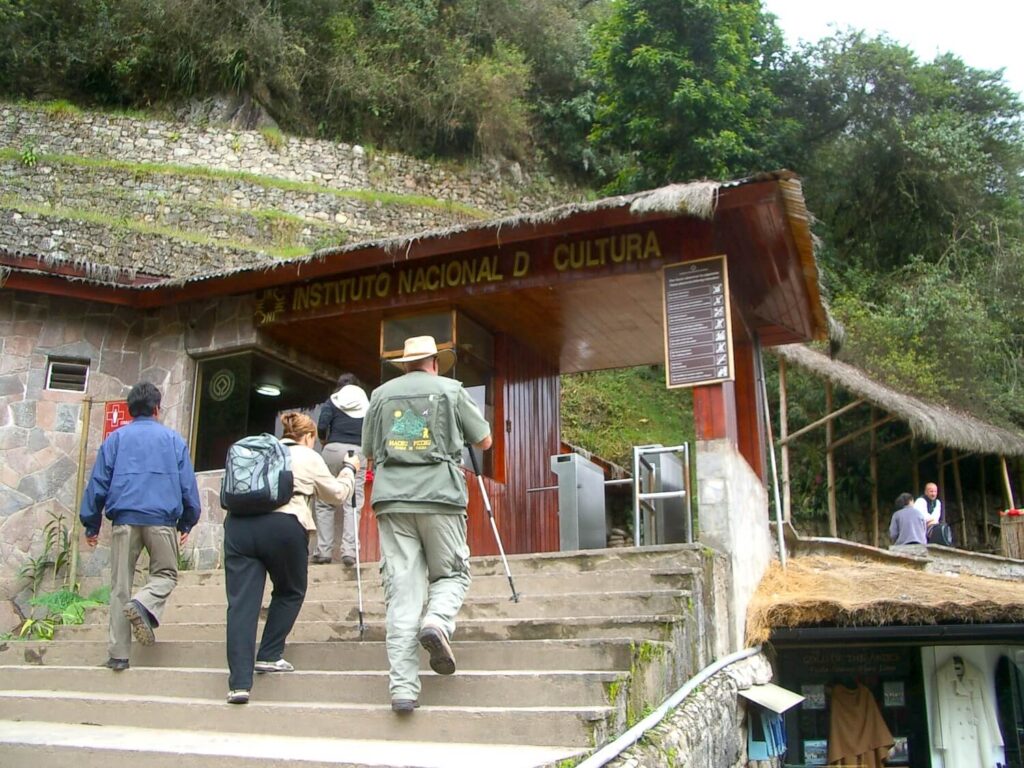
In fact, Peru’s Ministry of Culture has established visitor capacity specifically for this year. A maximum of 5,600 visitors per day is authorized during designated high-demand periods, including June 19 through November 2, 2026.
That does not mean every part of Machu Picchu is accessible every day.
Authorities may temporarily restrict individual routes for conservation, close a trail because of unsafe weather conditions or regulate access according to season and visitor capacity.
So when you read that “Machu Picchu is closing,” check whether the information actually refers to:
- the entire archaeological site;
- one route inside Machu Picchu;
- Waynapicchu or another mountain route;
- the Inca Trail;
- train or road access;
- or tickets being sold out.
These are very different situations.
If you are planning your trip and comparing the main ways to visit, you can explore our Machu Picchu tours from Cusco.
Why Are People Saying Machu Picchu Is Closing?
The rumor that Machu Picchu is closing returns regularly because several real issues are often grouped together under the same headline.
Machu Picchu is a protected World Heritage site with controlled visitor access. Peru regulates the number of visitors, assigns travelers to specific circuits and carries out conservation work when necessary.
These measures are designed to protect Machu Picchu while keeping it open to visitors, not to prepare for its permanent closure.
Visitor limits and conservation
Machu Picchu no longer operates as a site where visitors can freely walk through every area.
The official system currently consists of three circuits that group ten different routes. Some routes operate throughout the year, while others are available only during high season.
This helps distribute visitors across the archaeological site and protect sensitive areas.
It also means that a restriction affecting one route does not necessarily affect another.
The same applies to visitor capacity. A particular route or entry time can sell out while the archaeological complex continues operating normally.
Heavy rain and landslides
Machu Picchu is located in a mountainous environment where intense rainfall can occasionally affect trails and infrastructure.
When authorities identify a safety risk, they may temporarily suspend access to the affected route while inspections, cleaning or repairs are carried out.
A recent example occurred in August 2026.
Rainfall on August 17 and 18 affected infrastructure on parts of the Inca Trail network. After technical evaluation, rehabilitation and cleaning, authorities reopened Routes 1, 2 and 3 from August 26.
That was an Inca Trail disruption, not a closure of the Machu Picchu archaeological site.
Strikes and transportation disruptions
Another source of confusion is transportation.
Most travelers reach the area through the Sacred Valley and continue by train to Machu Picchu Pueblo before taking the bus to the archaeological site.
If trains, roads or local transportation are temporarily disrupted, reaching Machu Picchu may become difficult even though the archaeological site itself remains open.
If something happens near your travel date, check each part of the journey separately:
- your Machu Picchu entrance ticket;
- your assigned circuit and route;
- your train service;
- local transportation;
- current official announcements.
A transport disruption and a Machu Picchu closure are not automatically the same thing.
Machu Picchu Closing vs. Temporary Restrictions
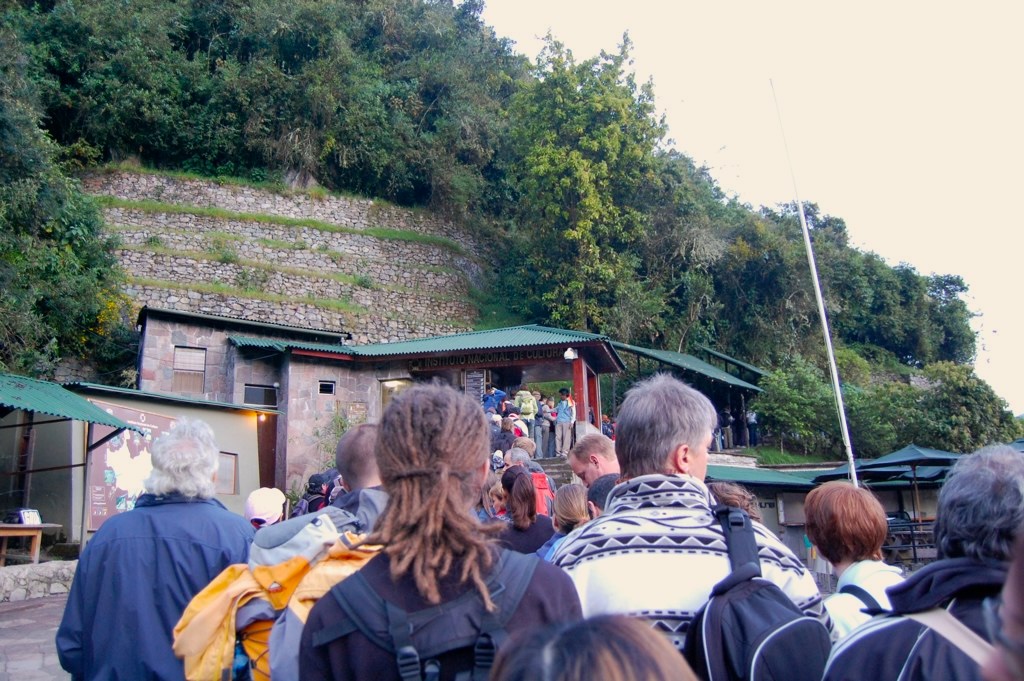
The word “closed” is often used too broadly.
Here is what the most common situations actually mean:
| Situation | Is Machu Picchu closed? |
|---|---|
| One route is under maintenance | No. Other routes can continue operating |
| Waynapicchu is temporarily closed | No. The main archaeological site can remain open |
| The Inca Trail is closed | No. Machu Picchu can still be reached by other means |
| Train services are disrupted | Not necessarily. Transport and archaeological-site access are separate |
| Tickets for your preferred route are sold out | No. Available capacity has been reached |
| Authorities suspend entry to the entire archaeological site | Yes. That would be an actual Machu Picchu closure |
This distinction is important because individual route closures do happen.
In June 2026, for example, the Ministry of Culture temporarily closed Route 3-A to Waynapicchu Mountain for conservation and maintenance work. The closure ran from June 1 through June 30 and included work on pre-Hispanic stairs, retaining walls, drainage and other infrastructure. Waynapicchu reopened on July 1.
Machu Picchu itself did not close for the month.
Does Machu Picchu Close in February?
Machu Picchu itself does not normally close for the month of February.
The confusion usually comes from the Inca Trail, which has an annual February closure for maintenance and conservation.
This is one of the most common reasons travelers encounter claims online that “Machu Picchu closes in February.”
Machu Picchu and the Inca Trail are not the same thing
The Classic Inca Trail is one way of reaching Machu Picchu.
It is not the only way.
Travelers visiting in February can still reach Machu Picchu through Machu Picchu Pueblo using the regular rail route, provided tickets and transportation are available.
If hiking the famous route is an essential part of your trip, browse our Inca Trail tours and choose travel dates outside the February maintenance period.
Can you visit Machu Picchu in February?
Yes, subject to normal ticket availability and any temporary conditions affecting transportation or specific routes.
February falls within the rainy season, so travelers should expect a higher possibility of wet weather and should keep an eye on local conditions.
But the annual Inca Trail closure should not be confused with a month-long closure of Machu Picchu itself.
Travelers looking for a different trekking experience around Cusco can also explore our Salkantay Trek options, which follow a different route from the Classic Inca Trail.
Can Specific Machu Picchu Routes Close?
Yes.
A specific Machu Picchu route can temporarily close while the rest of the archaeological site continues receiving visitors.
The current visitor system has three circuits and ten routes, in effect since June 1, 2024.
Circuit 1 — Panoramic
- Route 1-A: Machupicchu Mountain
- Route 1-B: Upper Terrace
- Route 1-C: Intipunku Gate — high season only
- Route 1-D: Inka Bridge — high season only
Circuit 2 — Machupicchu Classic
- Route 2-A
- Route 2-B: Lower Terrace
Circuit 3 — Machupicchu Royalty
- Route 3-A: Waynapicchu Mountain
- Route 3-B
- Route 3-C: Great Cavern — high season only
- Route 3-D: Huchuypicchu — high season only
Several of these routes are seasonal by design. Intipunku, the Inka Bridge, Great Cavern and Huchuypicchu are listed by the official Machu Picchu site as high-season routes.
If one of those routes is unavailable outside its operating season, it does not mean Machu Picchu has closed.
This is why it is better to check the exact circuit and route on your ticket instead of relying only on general information about whether Machu Picchu is open.
Machu Picchu Sold Out vs. Closing
Sold out does not mean closed.
This is one of the most important distinctions to understand when planning your trip.
Machu Picchu has controlled daily capacity, and availability is distributed across routes and entry times.
For designated high-season dates in 2026, the Ministry of Culture has set the maximum capacity at 5,600 visitors per day.
That means you may find that:
- Circuit 2 is unavailable for your date;
- Waynapicchu tickets have sold out;
- your preferred morning entry is full;
- or your preferred route has no remaining spaces;
while Machu Picchu itself is operating normally.
If you already know your travel dates, booking early gives you a better chance of securing the route and entry time you want.
Your entrance time also needs to coordinate with your train, bus and guide, especially if you are traveling from Cusco in one day.
For travelers who prefer to have those logistics organized together, our Machu Picchu Full Day tour from Cusco is designed around a same-day visit to the archaeological site.
What Happens If Machu Picchu Access Is Disrupted During Your Trip?
First, find out what has actually been affected.
Do not automatically cancel your entire itinerary because you see a report containing the words “Machu Picchu closed.”
If an Inca Trail route is temporarily unavailable, you may still be able to reach Machu Picchu by train.
If one route inside the archaeological site is restricted, other routes may continue operating.
If trains are disrupted, the archaeological site itself may still be open.
A practical order to follow is:
- Check the latest official announcement.
- Confirm whether your Machu Picchu ticket and route are affected.
- Check your train or other transportation separately.
- Contact your tour operator before changing existing reservations.
- Check the date of any news article or social media post you are reading.
The publication date is especially important.
A genuine report about a temporary closure can continue appearing in Google or social media weeks, months or even years after the affected route has reopened.
The August 2026 Inca Trail disruption demonstrates how quickly circumstances can change: affected routes were assessed and rehabilitated before reopening on August 26.
How to Check If Machu Picchu Is Open
When you see reports about Machu Picchu closing, prioritize official information over old articles, viral videos or social media posts.
Useful sources include:
- Peru’s Ministry of Culture;
- the official Machu Picchu website;
- the Dirección Desconcentrada de Cultura de Cusco;
- the official Machu Picchu ticketing system;
- and your train operator when the issue involves rail transportation.
The official Machu Picchu website publishes the current circuit and route system, while the Ministry of Culture establishes capacity and access measures.
Always check the publication date of the notice as well as the location affected.
“Machu Picchu route temporarily closed” and “Machu Picchu closed” are not interchangeable statements.
Should You Still Plan a Machu Picchu Trip in 2026?
Yes.
There is no general Machu Picchu closure scheduled for 2026, and official visitor capacity has been established for the year.
The more important considerations are:
- securing the right entrance ticket;
- choosing the appropriate circuit;
- coordinating your entry time with transportation;
- booking early during periods of high demand;
- and checking current conditions shortly before traveling.
If Machu Picchu is the main reason for your trip to Cusco, start by comparing the different Machu Picchu tours and decide whether you prefer a one-day visit, a longer stay or a trekking itinerary.
Planning Your Machu Picchu Visit From Cusco
Visiting Machu Picchu involves several moving parts.
Your entrance time needs to work with transportation from Cusco or the Sacred Valley, your train schedule, your arrival in Machu Picchu Pueblo, the bus to the entrance and the circuit shown on your ticket.
That coordination becomes even more important when tickets are limited or local conditions affect one part of the journey.
Peru Top Experience operates from Cusco and specializes in Machu Picchu and other Peru travel experiences, allowing travelers to organize their visit with a local operator rather than coordinating every part of the journey separately.
You can compare our Machu Picchu tours from Cusco or, if you want to visit in a single day, see the Machu Picchu Full Day tour.
Frequently Asked Questions About Machu Picchu Closing
No permanent closure of Machu Picchu is currently scheduled for 2026. The site continues to operate through controlled visitor capacity, defined circuits and conservation measures.
Yes. Machu Picchu is receiving visitors in 2026 under the official ticketing, circuit and route system established by Peru’s Ministry of Culture.
The rumor often comes from reports about conservation measures, visitor limits, temporary route closures, Inca Trail restrictions, bad weather or transportation problems. None of those automatically means the entire archaeological site is closing.
Visitor pressure is one reason access is regulated, but current measures focus on managing capacity and protecting the archaeological site rather than closing it permanently. The Ministry of Culture has maintained controlled capacity and route-based visitor management.
There is no standard full-site closure for the entire rainy season. Severe weather can, however, temporarily affect trails, infrastructure or transportation.
Machu Picchu itself does not normally close for the whole month of February. The well-known annual February closure applies to the Inca Trail, not automatically to the Machu Picchu archaeological site.
Yes. Route 3-A to Waynapicchu was temporarily closed during June 2026 for conservation and maintenance and reopened on July 1. Machu Picchu itself remained operational.
No. It means the available capacity for your chosen date, route or entry time has been reached. Other routes or dates may still have availability.
A train disruption can prevent or complicate access for travelers, but it does not automatically mean the archaeological site itself has closed. Check train operations and Machu Picchu access separately.
Check information from Peru’s Ministry of Culture, the official Machu Picchu website and the Dirección Desconcentrada de Cultura de Cusco. If you already have a booking, confirm your itinerary with your tour operator before making changes.