

Getting to Machu Picchu usually involves several stages rather than one direct journey. For most travelers, the route starts in Cusco or the Sacred Valley, continues to Machu Picchu Pueblo (Aguas Calientes) by train, trekking route or overland via Hidroelectrica, and finishes with a bus ride or uphill walk to the entrance of Machu Picchu.
The best route depends on how much time you have, how much you want to hike and whether you want the journey itself to be part of the experience.
For most first-time visitors, traveling by train and taking the shuttle bus from Aguas Calientes is the simplest option. Travelers looking for a more adventurous journey can reach Machu Picchu through the Inca Trail, Salkantay Trek or other trekking routes.
This guide explains each option so you can decide how to get to Machu Picchu and organize the different stages of your trip.
How Do You Get to Machu Picchu? The Route at a Glance
For most visitors, getting to Machu Picchu can be understood in three steps:
Cusco or Sacred Valley → Aguas Calientes → Machu Picchu
The main difference is how you complete the middle section.
You can:
- take a train toward Machu Picchu Pueblo;
- hike to Machu Picchu on a multi-day trekking route;
- travel overland toward Hidroelectrica and continue toward Aguas Calientes;
- combine different forms of transport depending on your itinerary.
If you are beginning to plan your visit, you can also explore our Machu Picchu tours to see how these routes can be organized from Cusco.
Step 1: Get to Cusco or the Sacred Valley
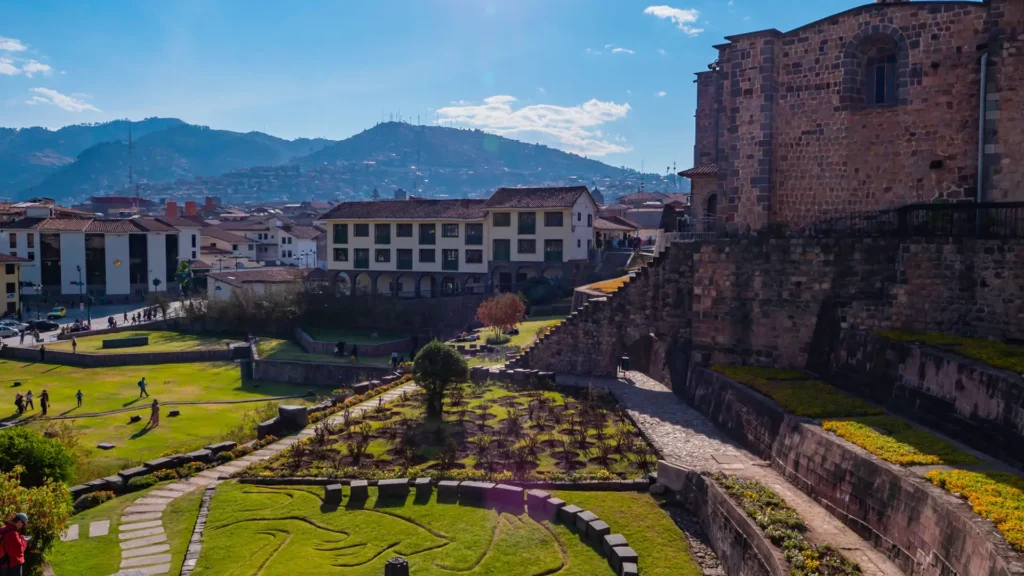
Cusco is the main travel hub for Machu Picchu and the starting point for most itineraries.
Travelers arriving from Lima or other parts of Peru usually reach Cusco first. From there, you can travel toward Ollantaytambo and the Sacred Valley, connect with a train service, start a trekking route or continue overland toward Hidroelectrica.
You do not necessarily need to spend every night in Cusco. Ollantaytambo and other parts of the Sacred Valley can also work well as bases before traveling onward to Machu Picchu.
Step 2: Reach Aguas Calientes or Trek Toward Machu Picchu
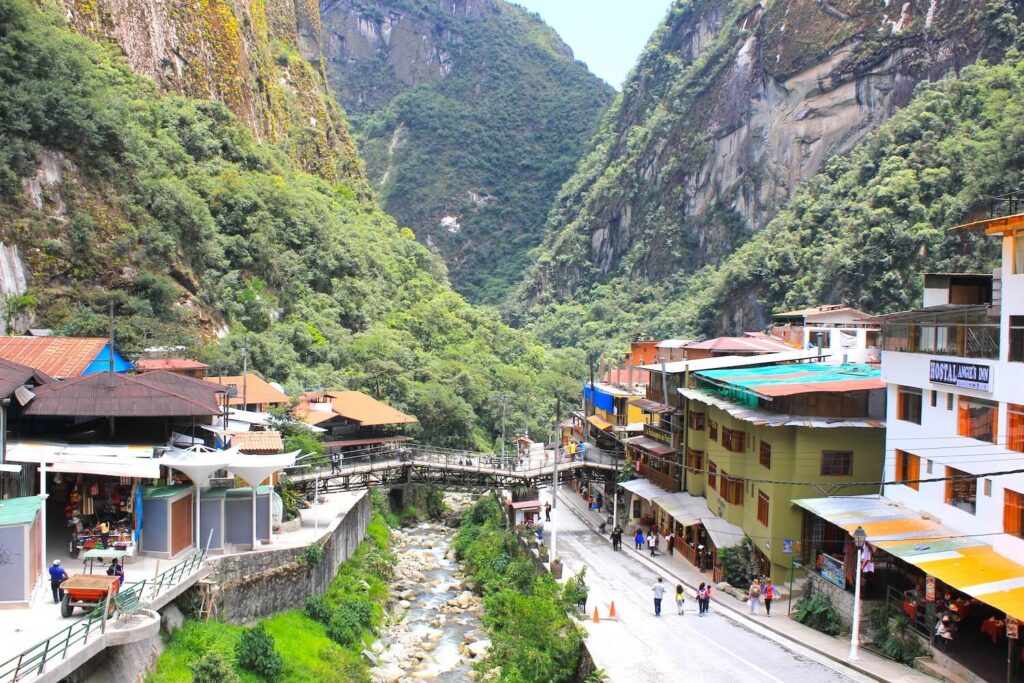
Machu Picchu Pueblo, commonly known as Aguas Calientes, sits below the archaeological site and serves as the main gateway for travelers arriving by train.
There are several ways to reach this area:
- train from the Cusco/Sacred Valley region;
- trekking via the Inca Trail;
- alternative treks such as Salkantay;
- overland travel through Hidroelectrica followed by a walk toward Aguas Calientes.
This is where planning differs considerably depending on your route.
Step 3: Travel from Aguas Calientes to Machu Picchu
Once in Aguas Calientes, most visitors reach the entrance to Machu Picchu by shuttle bus.
Walking uphill is also possible. It is a much more physically demanding option and should be considered in combination with your entrance time, fitness level and the rest of your itinerary.
If you arrive through certain trekking routes, your approach to the archaeological site may differ from the standard Aguas Calientes route.
Ways to Get to Machu Picchu Compared
There is no single best way to reach Machu Picchu for every traveler. Each route offers a different balance of time, comfort and physical effort.
| Route | Best for | Travel style | Physical effort | Main advantage |
|---|---|---|---|---|
| Train + bus | First-time visitors and shorter trips | Rail and road | Low | Straightforward logistics |
| Inca Trail | Travelers who want the classic trek | Multi-day hiking | High | Reach Machu Picchu as part of the trek |
| Salkantay and alternative treks | Adventure-focused travelers | Multi-day hiking | High | The journey becomes a major part of the experience |
| Hidroelectrica route | Travelers comfortable with longer overland travel | Road + walking | Moderate | Alternative to the standard train route |
What Is the Easiest Way to Get to Machu Picchu?
For most travelers, the easiest way to get to Machu Picchu is to travel by train to Aguas Calientes and then take the shuttle bus to the archaeological site.
This reduces the amount of walking required and is easier to incorporate into a short itinerary.
A Machu Picchu Full Day tour from Cusco is one way to coordinate the different stages within a single day.
What Is the Most Adventurous Way?
A multi-day trek is the more adventurous approach.
The Inca Trail is the best-known trekking route, while Salkantay and other trails provide alternative experiences through the Andes.
These routes require more preparation than traveling by train, but the journey becomes an important part of visiting Machu Picchu rather than simply transportation to the site.
What Is the Budget-Oriented Alternative?
Traveling toward Hidroelectrica and walking the final section toward Aguas Calientes is an alternative to completing the main journey by train.
It generally involves significantly more road travel and walking, so price should not be the only factor when comparing the options. Consider your available time, comfort preferences and willingness to walk with your luggage.
How to Get to Machu Picchu from Cusco
The most common starting point for Machu Picchu is Cusco.
A typical train-based journey looks like this:
Cusco → Sacred Valley/Ollantaytambo → Aguas Calientes → Machu Picchu
The exact combination of road and rail transport depends on the train service, departure station and time of year.
Cusco to Ollantaytambo
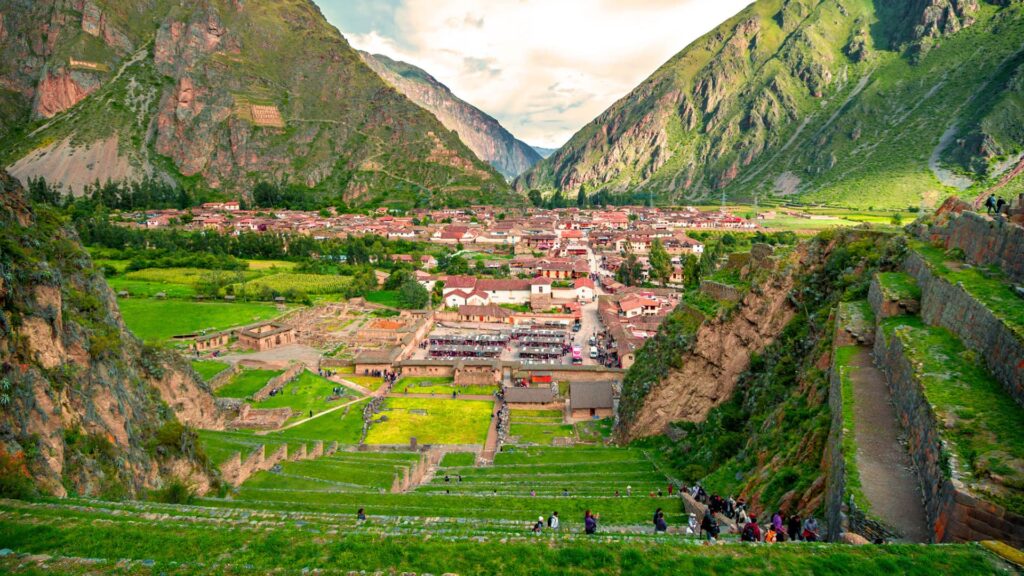
Ollantaytambo is an important transport hub in the Sacred Valley and a common departure point for trains toward Machu Picchu Pueblo.
You can travel from Cusco toward Ollantaytambo by road before connecting with your train.
This route also makes it possible to combine Machu Picchu with time in the Sacred Valley rather than treating the valley only as a transit point.
Ollantaytambo to Aguas Calientes by Train
From Ollantaytambo, trains travel through the valley toward Machu Picchu Pueblo.
The journey ends at the town below Machu Picchu rather than directly at the entrance to the archaeological site. Once you arrive, you still need to reach the entrance by shuttle bus or on foot.
This distinction is important: taking a train to Machu Picchu normally means taking a train to Machu Picchu Pueblo, not directly to the ruins.
Can You Take a Train Directly from Cusco to Machu Picchu?
Train services marketed from Cusco can involve different departure points and, depending on the service or season, a combination of bus and rail transportation.
Both PeruRail and Inca Rail operate services serving travelers heading toward Machu Picchu.
For this reason, check the actual departure point on your reservation rather than assuming every ticket involves boarding a train in central Cusco.
Can You Do Machu Picchu as a Day Trip from Cusco?
Yes, Machu Picchu can be visited as a full-day trip from Cusco when the entrance, road transfers, train schedule and final transport are properly coordinated.
It is a long travel day, but it can work well for visitors with limited time.
Travelers who prefer a slower pace can spend a night in Aguas Calientes instead. An overnight itinerary gives you more flexibility around the journey and avoids completing both directions on the same day.
How to Get to Machu Picchu from Lima
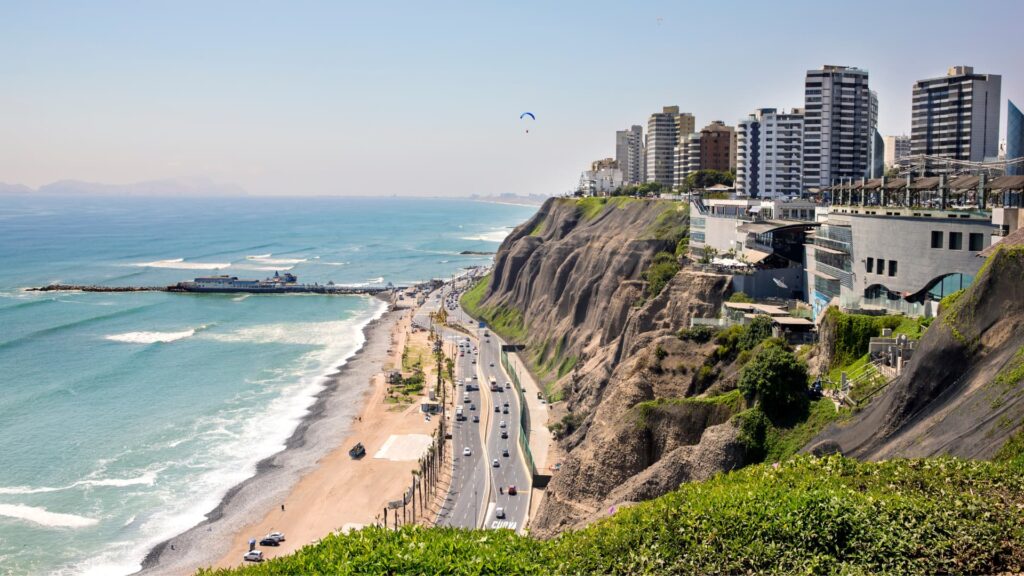
There is no direct train from Lima to Machu Picchu.
For most international travelers, the practical sequence is:
Lima → Cusco → Machu Picchu
The first decision is therefore how to get from Lima to Cusco.
Lima to Cusco by Plane
Flying is the most practical option for travelers with limited time.
After arriving in Cusco, you can stay in the city, continue into the Sacred Valley or begin the next stage of your Machu Picchu itinerary.
Remember that Cusco is at high altitude. Your wider Peru itinerary should take acclimatization into account, particularly if you plan to complete a demanding trek.
Lima to Cusco Overland
Traveling overland between Lima and Cusco is also possible, but it requires considerably more time than flying.
It makes more sense as part of a longer Peru itinerary in which the journey between destinations is itself part of the trip.
From Cusco to Machu Picchu
Once you reach Cusco, your options are the same as for other travelers starting there: train, trekking or the overland Hidroelectrica route.
You therefore do not need a separate Lima-to-Machu-Picchu transport plan. Think of the journey as two sections: Lima to Cusco, then Cusco to Machu Picchu.
How to Get to Machu Picchu by Train
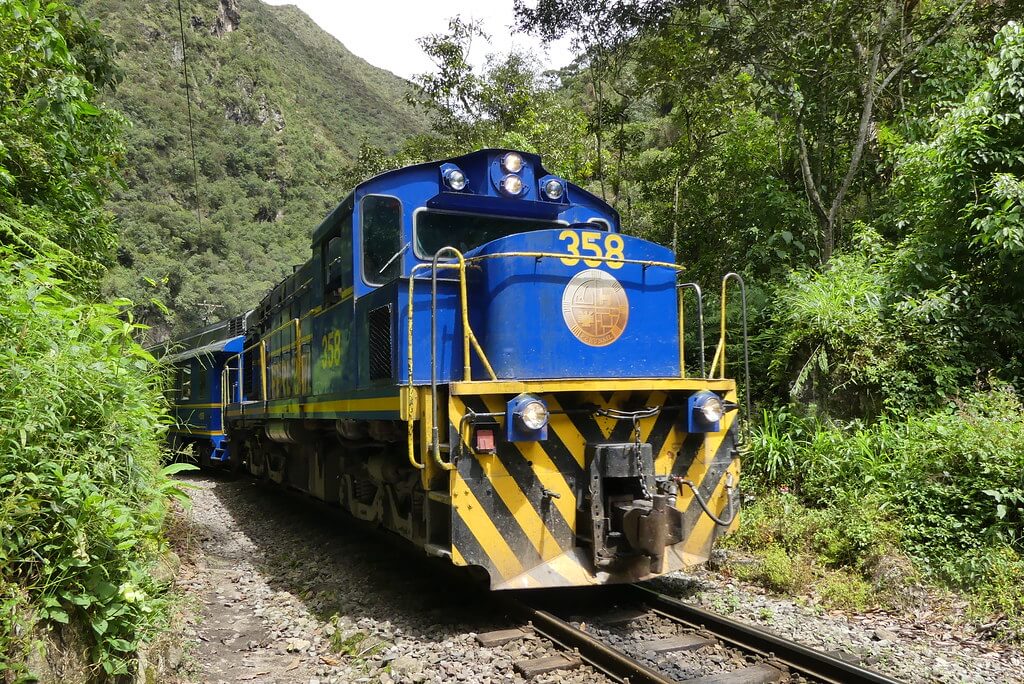
Traveling by train is the most straightforward route for visitors who do not want to complete a multi-day trek.
The essential sequence is:
Cusco/Sacred Valley → Machu Picchu Pueblo by train → Machu Picchu by bus or on foot
Where Do Trains to Machu Picchu Leave From?
Train itineraries can use different stations or combined bus-and-train services depending on the operator, schedule and season.
Ollantaytambo is one of the key departure points because of its location in the Sacred Valley and the frequency with which travelers pass through it on their way to Machu Picchu.
When booking, check:
- the exact departure location;
- whether your service includes a road transfer;
- your departure time;
- your arrival time in Machu Picchu Pueblo;
- how the schedule connects with your Machu Picchu entrance time.
PeruRail vs Inca Rail
PeruRail and Inca Rail are the two principal train operators used by visitors traveling toward Machu Picchu Pueblo.
Both offer different services and departure arrangements.
Rather than choosing solely by brand, compare the specific departure point and timetable that works with your Machu Picchu ticket and overall itinerary.
Ollantaytambo to Machu Picchu by Train
Ollantaytambo is particularly convenient if you are already exploring or staying in the Sacred Valley.
From there, the railway continues toward Machu Picchu Pueblo. After getting off the train, you can walk through the town toward the bus departure area before completing the final ascent to the archaeological site.
How Far in Advance Should You Book the Train?
Do not plan your train independently from your Machu Picchu entrance.
Availability is limited for both, and your entrance ticket has a specific date and entry schedule. The safest planning sequence is to establish your Machu Picchu visit first and then coordinate your train and transfers around it.
During periods of high demand, making arrangements early gives you more choice of schedules.
How to Get to Machu Picchu by Trekking
For hikers, getting to Machu Picchu can be an experience lasting several days rather than a transfer lasting a few hours.
The main distinction is between the Inca Trail, which follows the regulated Inca road network toward Machu Picchu, and alternative treks that travel through different Andean landscapes before connecting with the Machu Picchu area.
Classic Inca Trail
The Classic Inca Trail is the iconic trekking approach to Machu Picchu.
It combines archaeological sites, mountain scenery and sections of original Inca road before reaching Machu Picchu as the culmination of the route.
Access to the trail is regulated and requires advance planning. Travelers interested in this experience should organize it well ahead of their travel dates through an authorized operator.
Peru Top Experience operates authorized Inca Trail tours from Cusco.
Short Inca Trail
The Short Inca Trail is an alternative for travelers who want part of the Inca Trail experience without completing the longer classic trek.
It should not be confused with simply hiking from Aguas Calientes to the entrance. It follows part of the historical route and has its own logistics and access requirements.
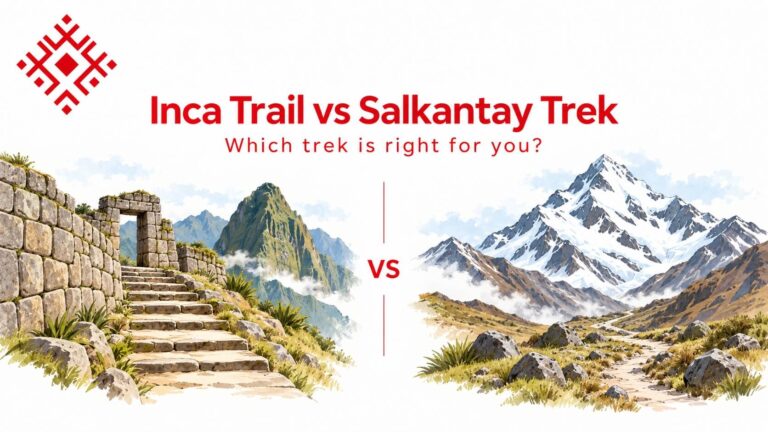
Salkantay Trek
The Salkantay Trek is a separate trekking route through the Andes and a popular alternative for travelers who want a longer mountain journey connected with a Machu Picchu itinerary.
Unlike the Classic Inca Trail, it follows a different route and offers a different landscape and trekking experience.
Peru Top Experience operates several Salkantay Trek itineraries, allowing travelers to choose a route according to the number of days available.
Lares Trek and Other Alternative Routes
Lares and other trekking routes can also be incorporated into a Machu Picchu journey.
These alternatives are useful for travelers whose priority is not necessarily following the Classic Inca Trail but experiencing Andean landscapes, villages and hiking before reaching Machu Picchu.
When comparing treks, consider much more than the number of days. Altitude, daily hiking demands, accommodation style and how the route connects with Machu Picchu all matter.
How to Get to Machu Picchu via Hidroelectrica
The Hidroelectrica route provides an overland alternative to traveling the main section by train.
A typical journey involves:
Cusco → Hidroelectrica by road → Aguas Calientes area on foot → Machu Picchu
This option requires more time on the road and more walking than the standard train journey.
Cusco to Hidroelectrica
The first part is a long overland journey from Cusco toward Hidroelectrica.
Road conditions and travel times can vary, so this should not be treated as a quick transfer. It is better suited to travelers who are comfortable dedicating more of their itinerary to transportation.
Hidroelectrica to Aguas Calientes
From Hidroelectrica, travelers can continue toward Machu Picchu Pueblo on foot.
This is one of the defining features of the route. You should be comfortable walking for an extended period and plan what luggage you actually need to carry.
Who Is the Hidroelectrica Route Best For?
The route is worth considering if you:
- do not mind longer road travel;
- are comfortable walking;
- have more time available;
- prefer an alternative to the standard train journey.
It is less suitable if minimizing travel time or physical effort is your priority.
Peru Top Experience also offers a 2-day Cusco to Machu Picchu by car itinerary for travelers interested in this approach.
How to Get from Aguas Calientes to Machu Picchu
Aguas Calientes and Machu Picchu are not the same place.
Aguas Calientes, officially Machu Picchu Pueblo, is the town below the archaeological site. Visitors arriving by train still need to travel from the town to the Machu Picchu entrance.
There are two main options.
Aguas Calientes to Machu Picchu by Shuttle Bus
The shuttle bus is the easier option physically and the choice made by many visitors.
Buses travel from Machu Picchu Pueblo up the winding mountain road toward the entrance area.
Your schedule should leave enough time between arriving in town and your assigned Machu Picchu entry period.
Hiking from Aguas Calientes to Machu Picchu
It is also possible to walk uphill from Aguas Calientes.
This is a sustained ascent rather than a casual stroll, so consider whether you want to use your energy for the climb before exploring Machu Picchu itself.
For travelers already completing a demanding trek or those with a tight entrance schedule, taking the bus may be the more practical option.
Bus or Hike: Which Should You Choose?
Choose the bus if you want to conserve energy, simplify the final stage or have limited time.
Consider walking if you enjoy uphill hiking, have sufficient time and deliberately want to add another physical element to the journey.
Neither choice changes the need for a valid Machu Picchu entrance ticket.
What Should You Book First for Machu Picchu?
The most important principle when planning transportation is simple:
Do not book every part of the journey independently. Your Machu Picchu entrance time, train or trek, transfers and accommodation need to work together.
A sensible planning order is:
- Decide your travel date and preferred way to reach Machu Picchu.
- Check Machu Picchu entrance availability.
- Choose the appropriate entrance route/circuit for your visit.
- Coordinate your train or trekking itinerary.
- Arrange road transfers and the final journey from Aguas Calientes.
- Add accommodation if staying overnight.
Machu Picchu Entrance Ticket
Your entrance ticket is not simply permission to enter Machu Picchu on any day at any time.
Tickets correspond to specific visit options and entry schedules, so your choice affects the rest of your day.
Check the official conditions and current availability when planning, as access arrangements can change.
Train or Trek
If traveling by train, the timetable must fit your entrance schedule.
If trekking, the process is different because your route, permit arrangements and Machu Picchu access form part of a larger itinerary.
This is one reason travelers should choose between train and trek early in the planning process rather than making that decision after purchasing unrelated transport.
Shuttle Bus and Transfers
Once the main components are confirmed, coordinate the road transfers and the last stage from Aguas Calientes.
Allow realistic connections. Building an itinerary around the shortest theoretically possible transfer creates unnecessary risk if one stage is delayed.
Why Your Entry Time Matters
Your entrance time determines when you need to be at Machu Picchu.
That affects when you should arrive in Aguas Calientes, which affects your train, which in turn affects when you need to leave Cusco or the Sacred Valley.
In other words:
Machu Picchu entry → final bus/walk → train arrival → departure from Cusco or Sacred Valley
Planning backward from your entrance is much easier than trying to make an entrance fit around transport already purchased.
Which Route to Machu Picchu Is Best for You?
The best way to reach Machu Picchu depends on the kind of trip you want.
Best Option for First-Time Visitors
For most first-time visitors, train + shuttle bus is the simplest combination.
It lets you focus more of your time and energy on Machu Picchu itself rather than the journey there.
Best Option if You Are Short on Time
A coordinated full-day trip from Cusco is suitable when you have limited days in Peru and do not want to stay overnight near Machu Picchu.
The key is having the entrance, train and road transfers arranged as one workable itinerary.
Best Option for Hikers
Choose the Inca Trail if following the historic trekking approach is central to your experience.
Choose Salkantay or another alternative trek if you want a broader Andean hiking journey and the specific character of that route appeals to you more.
Best Option if You Want More Comfort
Travel by train and take the bus from Aguas Calientes.
You can also stay overnight in Machu Picchu Pueblo to divide the travel between two days rather than returning to Cusco immediately after your visit.
Best Option if You Want the Journey to Be Part of the Experience
Choose a trek.
The Inca Trail, Salkantay and alternative routes turn reaching Machu Picchu into a multi-day experience through the Andes rather than simply a transportation problem.
Practical Tips for Getting to Machu Picchu
Good planning matters more than finding a single “best” route.
Allow Time to Acclimatize Before Trekking
If your itinerary includes a strenuous trek, avoid treating arrival in Cusco and departure for the mountains as interchangeable events.
Give your itinerary enough flexibility to account for altitude and how you personally feel before beginning demanding physical activity.
Match Your Transport to Your Machu Picchu Entry Time
Always work backward from your entrance schedule.
A cheap or convenient train is not useful if its arrival time does not work with your Machu Picchu ticket.
The same applies when returning: consider how much time you need to leave the site, descend to Aguas Calientes and reach the station.
Keep Your Travel Documents Accessible
Keep the identification and booking documents required for your journey readily available rather than packed deep inside your luggage.
Before traveling, check the current requirements associated with your Machu Picchu ticket, train booking and trekking arrangements.
Check Seasonal Train and Route Changes
Transportation arrangements around Machu Picchu can change according to season and operating conditions.
Departure stations, combined bus-and-train services and schedules should always be checked for your actual travel date rather than assumed from an older itinerary or travel blog.
Plan Your Trip to Machu Picchu with a Local Operator in Cusco
Getting to Machu Picchu is straightforward once the different stages are coordinated, but there are several moving parts: entrance availability, transport from Cusco, train schedules, trekking arrangements, transfers and the final ascent from Aguas Calientes.
Peru Top Experience is a local tour operator based in Cusco that organizes Machu Picchu trips directly, including train-based visits, overnight itineraries, overland options and trekking routes.
Machu Picchu by Train
For travelers who want a straightforward visit, our Machu Picchu itineraries coordinate the journey from Cusco with the transport required to reach the archaeological site.
Explore our Machu Picchu tours from Cusco to compare available itineraries.
Machu Picchu by Trek
If you want the journey to be part of the experience, Peru Top Experience operates trekking routes including the Inca Trail and Salkantay.
As an authorized Inca Trail operator, we can organize the trekking itinerary and its associated logistics directly.
Machu Picchu by Car
Travelers interested in an alternative to the standard train itinerary can also consider an overland journey via the Hidroelectrica area.
The right route ultimately depends on your available days, desired level of comfort and how much hiking you want to include.
Whether you choose the train, the Inca Trail, Salkantay or an overland route, the key to getting to Machu Picchu is to choose your entrance first, understand each stage of the journey and coordinate all transport around the same itinerary.