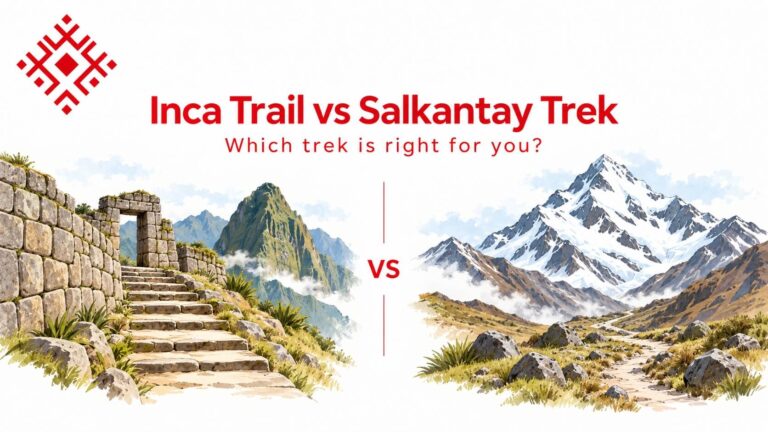


The weather in Peru changes dramatically depending on where you travel. The Pacific coast can be dry and cloudy while the Andes are experiencing cold nights and afternoon rain, and the Amazon remains warm, humid and tropical.
For travelers, this means there is no single answer to “What is the weather like in Peru?” Your experience will depend mainly on the region, altitude and time of year.
In general, Peru can be divided into three major climate areas:
- The coast, including Lima, is mostly dry and has warmer summers and cooler, cloudier winters.
- The Andes, including Cusco and many routes to Machu Picchu, have a clearer dry and rainy season, with significant temperature changes between day and night.
- The Amazon, including Iquitos and Puerto Maldonado, is warm and humid throughout the year, with rain possible in every month.
If your trip combines several destinations, you should prepare for more than one type of weather — sometimes within the same week.
What Is the Weather Like in Peru?
Peru has one of the most varied climates in South America. The Andes cross the country from north to south, the Pacific Ocean influences the coast, and the Amazon Basin shapes conditions in the east.
Altitude is especially important. Two destinations at similar latitudes can have completely different temperatures and rainfall patterns if they are located at different elevations.
That is why it is more useful to understand Peru’s weather by region rather than looking at one national temperature or forecast.
Peru’s Coast
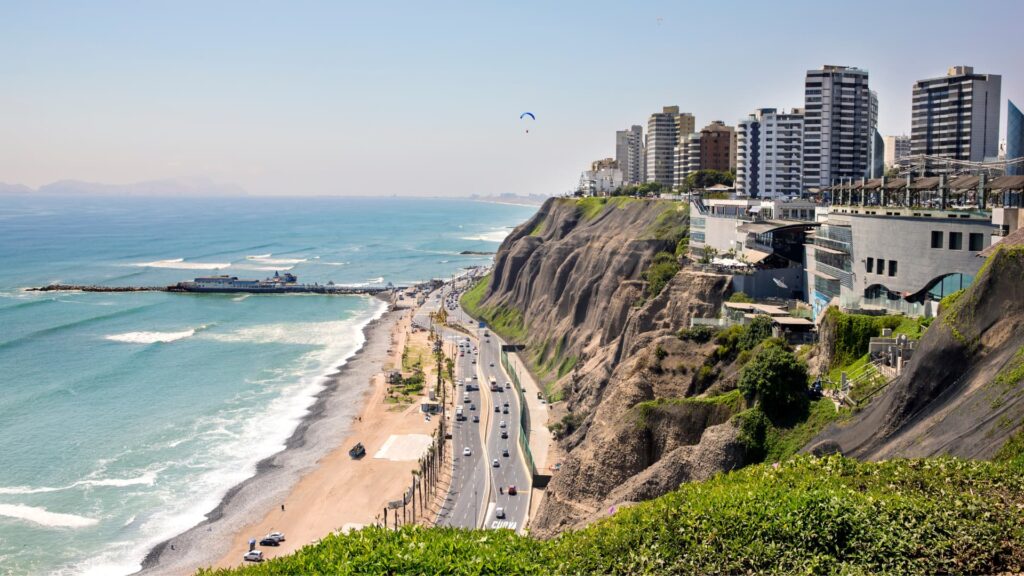
Peru’s Pacific coast has a predominantly dry climate. Rainfall is limited across much of the central and southern coastline, although humidity and low cloud can be common.
Lima is a good example.
During the Southern Hemisphere summer, especially from roughly December to March, Lima tends to be warmer and sunnier. This is usually the period when visitors are most likely to experience traditional summer conditions on the coast.
During winter, particularly from around June to September, Lima is cooler, more humid and frequently covered by low clouds. A fine coastal mist known as garúa can occur even though significant rain is uncommon.
Northern coastal destinations tend to be warmer than Lima and the southern coast.
If your itinerary begins in the capital, you can explore the Lima travel experiences offered by Peru Top Experience before continuing into the Andes or other parts of the country.
The Andes and Peruvian Highlands

Weather in the Peruvian Andes is strongly influenced by elevation.
Destinations such as Cusco, the Sacred Valley, Lake Titicaca and high-altitude trekking routes can have comfortable or sunny conditions during the day but much colder temperatures after sunset.
The main seasonal distinction is between:
- a drier period, generally from around May to October;
- a rainier period, generally from around November to April.
This pattern is particularly important when planning outdoor activities.
Even during the dry season, weather in the mountains can change quickly. At high elevations, strong sunshine, wind and cold temperatures can all occur during the same day.
During the rainy season, mornings may begin relatively clear before clouds build later in the day. Rainfall does not necessarily mean continuous rain from morning to night, but mountain conditions can be less predictable.
Cusco is the main starting point for many Andean journeys. Travelers interested in exploring the region can also compare options such as a Cusco city tour and a Sacred Valley tour.
The Peruvian Amazon
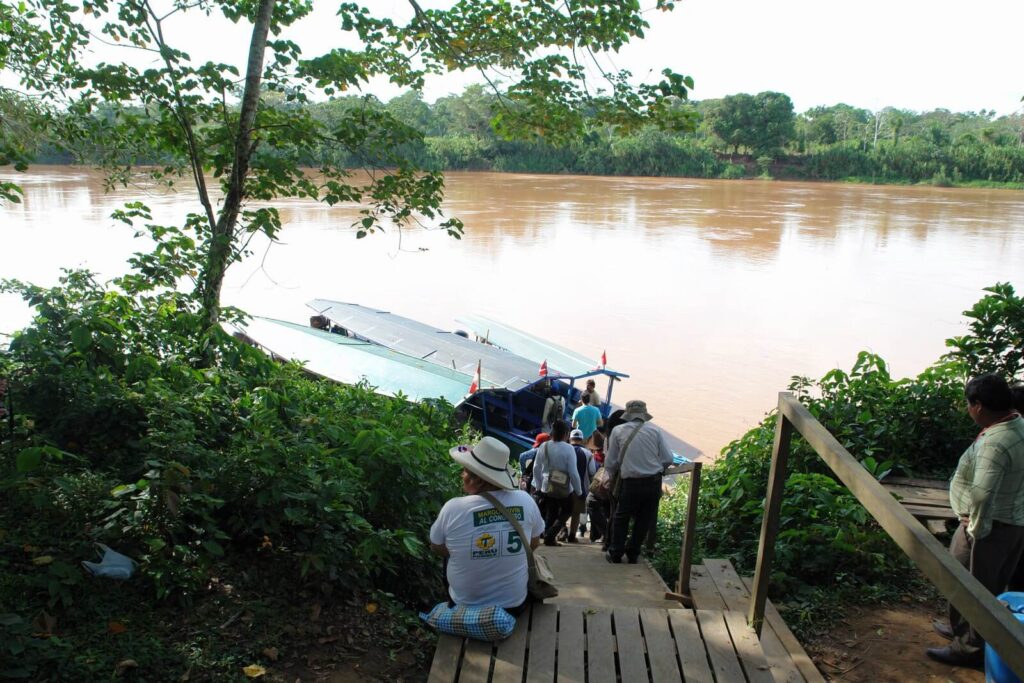
The Peruvian Amazon has a tropical climate.
Expect warm temperatures, high humidity and the possibility of rain throughout the year. Unlike the Andes, the Amazon does not have a completely dry season.
There are, however, periods with more and less rainfall.
Broadly, rainfall tends to be greater during the months that overlap with the Andean rainy season, while the middle of the year is often relatively drier.
Conditions also vary within the enormous Amazon region. Iquitos in northern Peru and Puerto Maldonado in southeastern Peru should not be treated as having exactly the same weather.
For travelers, the important point is simple: rain is part of the Amazon experience in any season. Choosing when to travel is therefore less about avoiding rain completely and more about deciding which conditions best suit your itinerary.
Rainy Season and Dry Season in Peru
Peru’s rainy and dry seasons are most useful when talking about the Andes and Amazon, not the entire country.
The coast follows a different pattern.
This distinction matters because statements such as “June is dry in Peru” can be misleading. June may bring excellent dry-season conditions around Cusco while Lima is experiencing its characteristic cool and overcast winter weather.
Peru’s Dry Season: May to October
May through October is generally the driest part of the year in the Peruvian Andes.
This period is popular for visiting mountain destinations because rainfall is typically lower and prolonged periods of clear weather are more likely.
It is especially relevant for travelers interested in:
- Machu Picchu;
- the Inca Trail;
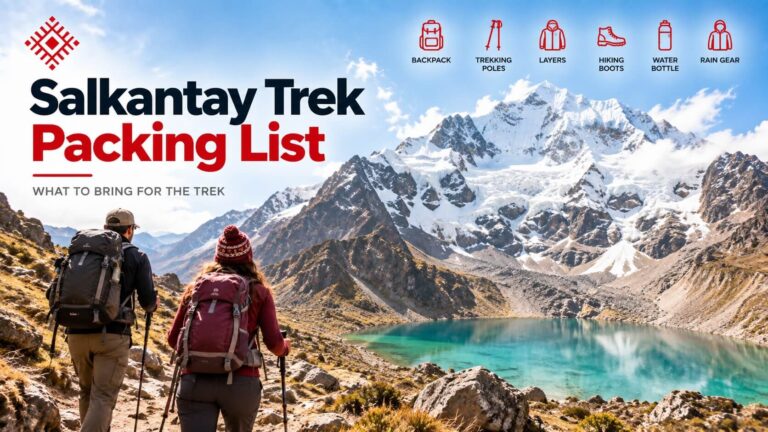
- Salkantay;
- Rainbow Mountain;
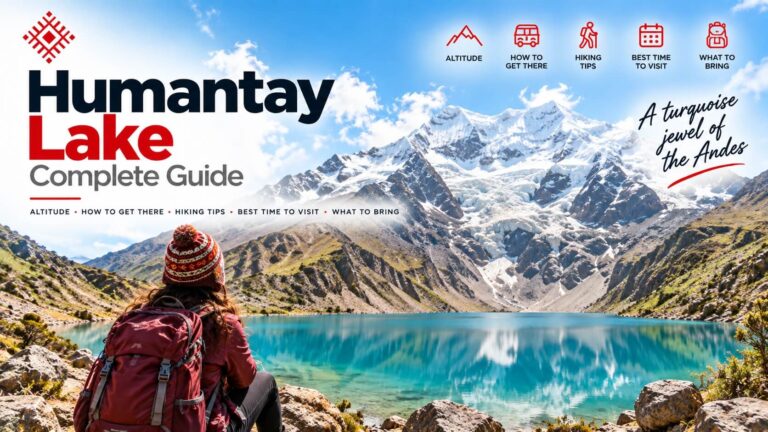
- Humantay Lake;
- Sacred Valley;
- other high-altitude hikes.
Drier does not mean warmer.
In fact, some of the coldest nights in the Andes occur during this period, particularly from June through August and at higher elevations.
For trekking, the combination of reduced rainfall and cold nights makes layering particularly important.
Travelers planning a multi-day hike can explore Peru Top Experience’s Inca Trail tours and Salkantay trekking options.
Peru’s Rainy Season: November to April
November through April is generally the wetter season in the Peruvian Andes, with the rainiest conditions typically concentrated within the middle of that period.
Mountain landscapes become greener, but travelers should expect a greater possibility of rain, clouds and changing trail conditions.
Rainfall can also affect transportation and hiking schedules, so flexibility becomes more important.
This does not mean that you should automatically avoid Peru during these months. Many major destinations remain open and can be visited throughout much of the rainy season.
The main consideration is what you plan to do.
A cultural trip through cities and archaeological sites has different weather requirements from a multi-day mountain trek.
One important exception is the Inca Trail, which traditionally closes during February for annual maintenance. Travelers planning around that period should consider other routes or visit Machu Picchu using another form of transportation.
Peru Weather by Month
There is no month when every part of Peru has identical travel conditions.
The table below gives a practical overview of the broad patterns travelers are likely to encounter.
| Month | Coast | Andes | Amazon | What travelers should know |
|---|---|---|---|---|
| January | Warm summer conditions | Rainy season | Warm, humid and wet | Prepare for rain around Cusco and mountain destinations |
| February | Warm summer conditions | One of the wetter periods | Warm and rainy | Inca Trail normally closes for annual maintenance |
| March | Warm conditions continue | Rain remains common | Humid with frequent rainfall | Mountain travel may still require flexibility |
| April | Transition from coastal summer | Rain begins to decrease | Warm and humid | Transitional month with improving Andean conditions |
| May | Cooler conditions developing | Start of the main dry period | Relatively drier period developing | Strong month for combining cultural visits and hiking |
| June | Cooler and cloudier around Lima | Dry with cold nights | Warm and humid | Popular period for Cusco and the Andes |
| July | Cool and often overcast in Lima | Dry and cold at night | Relatively drier | Good trekking conditions but prepare for cold |
| August | Cool coastal winter continues | Dry season | Warm and humid | Generally favorable for high-altitude outdoor activities |
| September | Coastal conditions begin transitioning | Mostly dry, transition approaching | Warm and humid | Useful shoulder period for Andean travel |
| October | Gradual coastal warming | Rain becomes more likely | Rainfall may increase | Transitional month across several regions |
| November | Warmer conditions developing | Start of wetter season | Warm and increasingly wet | Expect more variable mountain weather |
| December | Beginning of coastal summer | Rainy season | Warm, humid and rainy | Peru can offer very different weather within one itinerary |
These are broad climate patterns rather than a forecast. Conditions can vary considerably between destinations, especially in mountainous areas.
Peru Weather from January to March
January through March highlights Peru’s climatic contrasts particularly well.
While the coast is experiencing summer, the Andes are in the middle of their rainy season.
In Lima, conditions are generally warmer than during the middle of the year. Around Cusco and the Sacred Valley, rain is more frequent and cloud cover can affect mountain views.
The Amazon remains warm and humid, with substantial rainfall possible.
February deserves particular attention for trekkers because the classic Inca Trail traditionally closes for maintenance during the month.
Machu Picchu itself is not automatically closed because the Inca Trail is closed. Travelers can still reach the archaeological site using other available routes and transportation arrangements.
Peru Weather from April to June
April is a transition month.
Rain normally begins decreasing in the Andes as the region moves toward the dry season. May then brings increasingly stable conditions to many mountain destinations.
By June, the main dry period is established across much of the southern Andes.
This makes May and June attractive for travelers interested in hiking, although nights become increasingly cold at altitude.
On the coast, the opposite transition is taking place. Lima moves away from its warm summer and toward the cooler, cloudier conditions associated with coastal winter.
Peru Weather from July to September
July and August fall firmly within the Andean dry season.
These months typically offer a greater likelihood of clear, dry conditions for mountain travel, but they also bring some of the coldest nights of the year at high elevation.
This is important if you are planning trekking rather than simply sightseeing.
A trip to Rainbow Mountain, for example, reaches high-altitude terrain where conditions can feel considerably colder than in central Cusco.
Meanwhile, Lima is typically cool, humid and frequently overcast despite receiving very little conventional rainfall.
September starts the gradual transition toward the wetter season in the Andes, although conditions are often still relatively dry.
Peru Weather from October to December
October is another transitional month.
Rain becomes increasingly possible in the Andes, while coastal temperatures gradually begin to rise.
By November and December, the rainy season is becoming established around Cusco and many other mountain areas.
On the coast, however, summer is beginning.
This is why a December itinerary combining Lima and Cusco can involve noticeably different weather within just a few days.
Weather in Peru’s Most Popular Destinations
Checking the climate of your individual destinations is much more useful than relying on a national Peru forecast.
Here is what to expect in several of the places most frequently included in Peru itineraries.
Weather in Lima
Lima’s weather is unusual for a coastal city located in the tropics.
The climate is dry, but humidity can be high.
December through March generally brings warmer and sunnier conditions, while June through September tends to be cooler, cloudier and more humid.
Winter mornings can be grey and misty because of the coastal garúa.
If Lima is only the first stop on an Andean itinerary, remember that the clothing you use there may not be enough for Cusco or high-altitude excursions.
Weather in Cusco
Cusco has a marked dry and rainy season.
May through October is generally drier, while rainfall becomes more frequent from November through April.
Regardless of the season, expect temperatures to change significantly between daytime and nighttime.
Strong sunshine during the day can make conditions feel warm, but once the sun sets the temperature can drop quickly.
Cusco is also located at high altitude, so sun protection is useful even when the air feels cool.
Weather in Machu Picchu
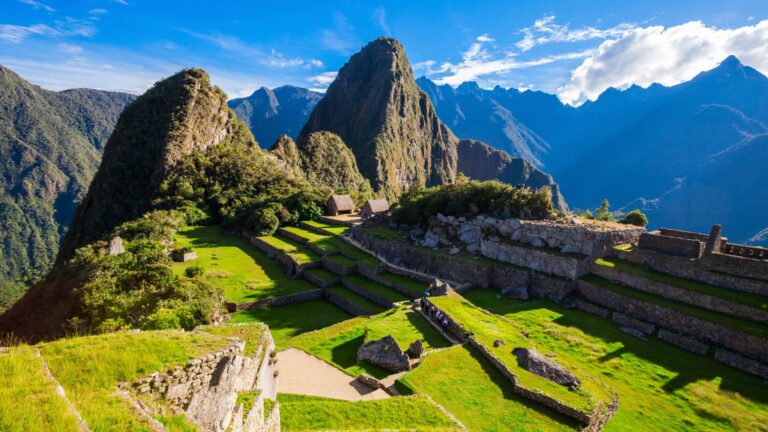
Machu Picchu has a milder and more humid environment than Cusco because it is located at a lower elevation and near the transition between the Andes and cloud forest.
Rain is possible at any time, although the May-to-October period is generally drier.
From roughly November through April, rainfall and cloud cover become more frequent.
Weather can also change during the course of a single visit. A cloudy morning can become sunny later, or clear conditions can turn to rain relatively quickly.
Visitors should therefore carry a light waterproof layer even when the forecast looks favorable.
If Machu Picchu is the focus of your trip, see all available Machu Picchu tours, including the full-day Machu Picchu tour from Cusco.
Weather in the Sacred Valley
The Sacred Valley shares the broad rainy and dry seasons of the Cusco region but sits at lower elevations than Cusco city in many areas.
Days can feel pleasantly warm in the sun, while evenings and early mornings remain cooler.
The dry season is generally favorable for visiting archaeological sites and traveling between towns, while rainy-season visitors should be prepared for showers and rapidly changing mountain conditions.
The valley is frequently combined with Cusco and Machu Picchu as part of the same itinerary.
Weather in Arequipa and Colca Canyon
Arequipa has a generally dry climate and receives abundant sunshine through much of the year.
Conditions change significantly as travelers move from the city toward higher elevations around the Colca region.
The greater the altitude, the more important cold mornings, cold nights and strong daytime sun become.
Travelers continuing south can explore Peru Top Experience’s Arequipa and Colca experiences.
Weather in Lake Titicaca and Puno
Lake Titicaca and Puno are located at high altitude.
The region follows the broader Andean pattern of a drier period in the middle of the year and a wetter period during the Southern Hemisphere summer.
The key weather consideration is the difference between day and night.
Sunny daytime conditions can be deceptive because temperatures fall considerably after sunset, particularly during the dry-season months.
Warm layers are essential.
Travelers including the lake in their route can review the Puno and Lake Titicaca tours.
Weather in the Peruvian Amazon
The Amazon remains hot, humid and rainy throughout the year.
There is no month when travelers can assume rain will not occur.
Some parts of the year are relatively drier, but tropical showers remain possible and conditions can change rapidly.
Lightweight clothing, protection from rain and appropriate footwear are therefore useful in any season.
The weather can also influence wildlife activity, river levels and how excursions are carried out, so the “best” time depends partly on the experience you want.
What Is the Best Time to Visit Peru?
For most travelers visiting the Andes, May through October offers the greatest likelihood of dry weather. However, the best time to visit Peru depends on the regions and activities in your itinerary.
There is no single month that is best for every destination.
A traveler planning an Inca Trail trek has different priorities from someone visiting Lima, exploring the Amazon or combining cities and archaeological sites.
Best Time for Machu Picchu and the Andes
For weather alone, the drier months from roughly May to October are usually the easiest period for visiting Machu Picchu and traveling through the Andes.
Rain is generally less frequent and clear mountain views are more likely.
The trade-off is colder nights, especially during the middle of the dry season.
Rainy-season travel can still be rewarding. Landscapes are greener, and short periods of rain do not necessarily prevent sightseeing.
Travelers simply need better rain protection and more flexibility.
Best Time for Lima and Peru’s Coast
If your priority is warmer and sunnier weather in Lima, December through March generally offers the most summer-like conditions.
The middle of the year is cooler and frequently cloudy.
This creates an interesting planning trade-off: some of the best months for dry weather in the Andes coincide with Lima’s grey coastal winter.
For a multi-region Peru trip, that is normal.
Best Time for the Amazon Rainforest
The Amazon can be visited throughout the year.
Instead of looking for a completely dry season, choose your dates based on the type of conditions and activities you prefer.
Rainfall, river levels and accessibility can vary throughout the year, and each period has advantages.
Regardless of the month, prepare for heat, humidity and rain.
Best Time for Trekking in Peru
For many high-altitude treks, the May-to-October dry season generally provides the most favorable weather window.
Lower rainfall can make trails easier to navigate and mountain views more reliable.
However, cold nights become an important consideration, particularly on multi-day routes.
For the classic Inca Trail, February should be treated separately because of the annual closure.
Alternative treks such as Salkantay have their own route conditions and should be evaluated according to weather, altitude and the exact itinerary rather than assuming all trails behave identically.
What to Pack for Peru’s Weather
Packing for Peru is less about choosing clothes for one season and more about preparing for different climates and rapid changes in temperature.
If your itinerary combines Lima, Cusco, Machu Picchu and high-altitude excursions, layers are usually more practical than one heavy outfit.
What to Pack for the Coast
For coastal destinations, consider:
- lightweight, comfortable clothing;
- sun protection;
- a light jacket or sweater for cooler evenings;
- additional layers during Lima’s winter months.
Cloudy conditions do not eliminate UV exposure, so sun protection remains useful even when the sky is grey.
What to Pack for the Andes
For Cusco and high-altitude destinations, bring clothes that can be added or removed during the day.
Useful items include:
- warm layers;
- a waterproof outer layer;
- comfortable walking shoes;
- sun protection;
- a hat;
- warmer clothing for early mornings and evenings.
For trekking, equipment requirements will depend on the route, altitude and number of days.
What to Pack for the Amazon
For the Amazon, prioritize clothing suitable for heat, humidity and rain.
Useful items include:
- lightweight, breathable clothing;
- rain protection;
- suitable walking footwear;
- sun protection;
- insect protection;
- quick-drying clothes.
Avoid packing based solely on temperature. Humidity and rainfall are equally important when deciding what will be comfortable.
Plan Your Peru Trip Around the Weather
Peru’s climate should help shape your itinerary, but it does not need to limit it.
The most useful approach is to look at where you want to go, when you can travel and what activities matter most to you, then build the route around those priorities.
A traveler focused on trekking may favor the Andean dry season. Someone combining Lima, Cusco, Lake Titicaca and the Amazon needs to prepare for several climates within the same journey.
Peru Top Experience is a local tour operator based in Cusco that organizes trips across Peru, including Machu Picchu, Cusco, trekking routes, Lima, Arequipa, Puno and multi-day itineraries.
For travelers who want to combine several regions, options such as the 7-day Peru tour through Lima, Cusco and Machu Picchu or the 2-week Peru itinerary can provide a starting point for planning the route.
Whatever month you choose, check the local forecast for each destination shortly before departure. Peru’s geography creates significant regional differences, and mountain weather can change quickly even during the traditionally drier months.