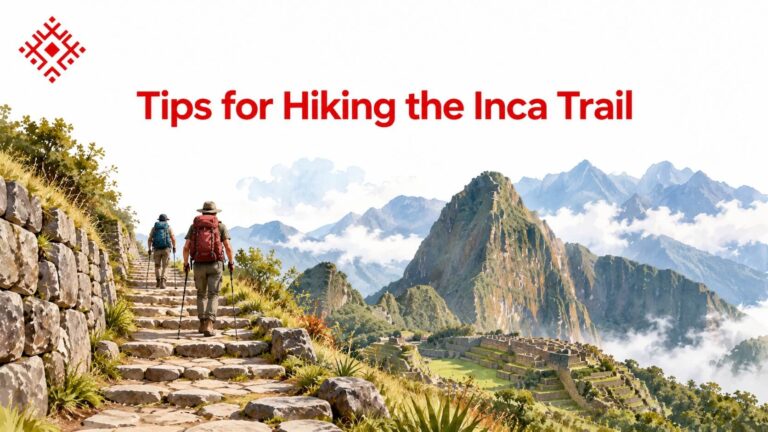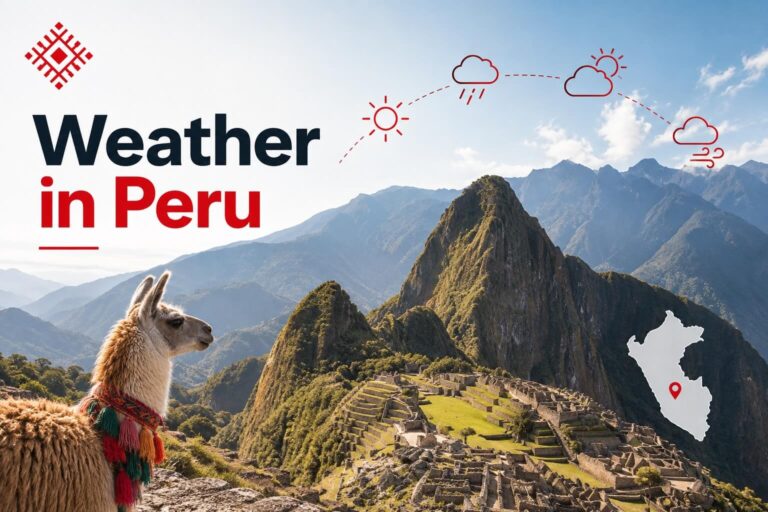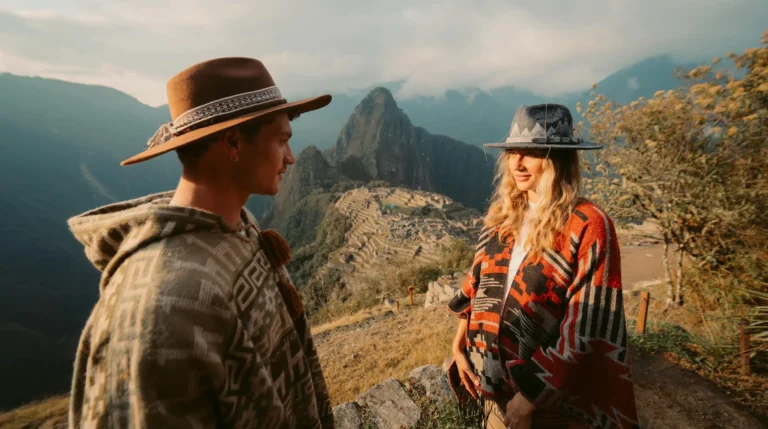


Packing for the Salkantay Trek is not simply a matter of bringing hiking clothes and a backpack. During the route, you can experience cold high-altitude conditions, strong sun, wind, rain and warmer environments as you descend toward Machu Picchu.
The best approach is to pack light, dress in layers and keep the things you may need while hiking within easy reach.
This Salkantay Trek packing list covers the essentials: clothing, footwear, hiking equipment, personal items, documents and the gear you should keep in your daypack.
If you are still deciding which itinerary to take, you can also compare our Salkantay Trek tours before preparing your final packing list.
Salkantay Trek Packing List: Quick Checklist
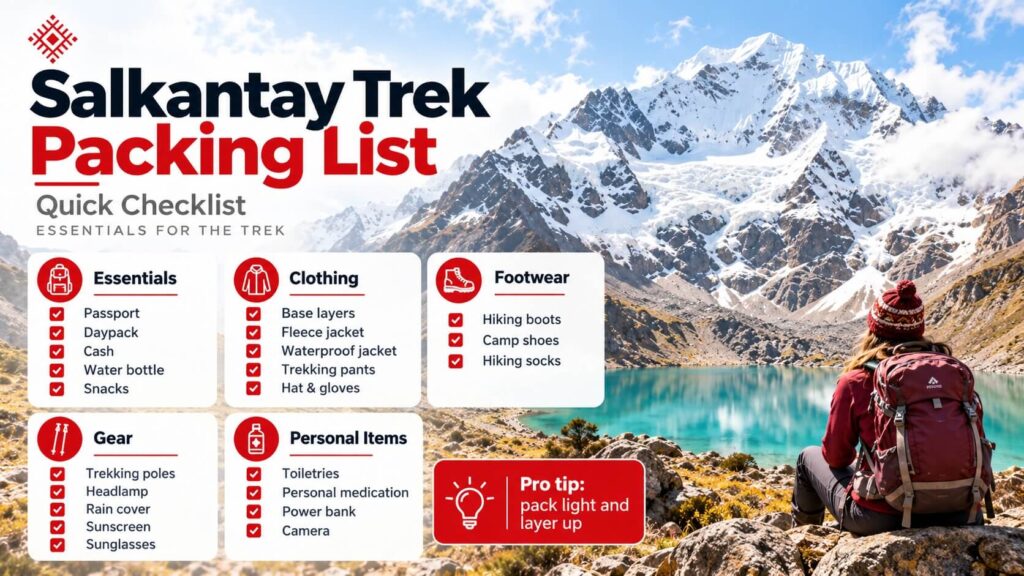
If you want to check your backpack before going into the details, start here.
Documents and Money
- Original passport
- Machu Picchu and travel documents required for your itinerary
- Travel insurance information, if applicable
- Cash in Peruvian soles
- Emergency contact information
Clothing
- Moisture-wicking hiking shirts
- Long-sleeve base layer
- Fleece or warm mid layer
- Insulated jacket
- Waterproof jacket or rain poncho
- Hiking pants
- Thermal bottoms for cold conditions
- Hiking underwear
- Several pairs of hiking socks
- Warm hat or beanie
- Sun hat or cap
- Lightweight gloves
- Comfortable clothes for camp or the end of the day
- Clean clothes for Machu Picchu
Hiking Gear
- Comfortable hiking boots or hiking shoes
- Daypack
- Backpack rain cover or dry bags
- Trekking poles
- Headlamp
- Reusable water bottle or hydration system
- Sunglasses
- Power bank
Sun, Rain and Cold Protection
- Sunscreen
- Lip balm with sun protection
- Waterproof outer layer
- Warm layer
- Hat
- Gloves
Personal Items and Toiletries
- Personal medication
- Basic first-aid items
- Toothbrush and toothpaste
- Hand sanitizer
- Toilet paper or tissues
- Wet wipes
- Insect repellent
- Small personal towel if needed
This is the core list. What you actually carry each day should depend on your itinerary, the season and what is included with your trekking service.
What Weather and Conditions Should You Pack for on the Salkantay Trek?


The main challenge when packing for Salkantay is that you are not preparing for one temperature or one type of terrain.
The route crosses high Andean environments before descending toward lower and generally warmer areas on the way to Machu Picchu. Conditions can change considerably during the same trekking day.
That makes layering more practical than relying on one heavy jacket.
Cold Conditions at Higher Elevations
The colder sections of the trek require clothing that allows you to retain heat without making your backpack unnecessarily heavy.
A practical combination is:
- moisture-wicking base layer;
- fleece or insulating mid layer;
- warm outer layer;
- waterproof shell when needed;
- warm hat and gloves.
You may start walking in cold conditions and remove layers as your body warms up. Keeping those layers accessible is much easier than stopping to unpack your main bag.
Avoid relying on cotton as your only hiking layer. When cotton becomes wet from sweat or rain, it dries slowly and can become uncomfortable in cold mountain conditions.
Rain and Changing Mountain Weather
Rain protection should be easy to reach rather than buried at the bottom of your bag.
A waterproof jacket or trekking poncho can protect you when conditions change, while a backpack cover, dry bag or internal waterproof liner helps keep important items dry.
Pay particular attention to:
- spare clothing;
- electronics;
- passport and travel documents;
- medication;
- anything you will need later that day.
Even during periods that are generally drier, mountain weather can change. Pack for the conditions you could reasonably encounter rather than for a single weather forecast.
Warmer Conditions at Lower Elevations
As the route descends, the clothing that felt necessary at high altitude may become too warm.
Lightweight, breathable hiking shirts and layers that can be removed easily are useful here.
This is why the ideal Salkantay clothing system is modular: instead of packing separate outfits for every possible temperature, combine a small number of layers according to the conditions.
What to Wear on the Salkantay Trek
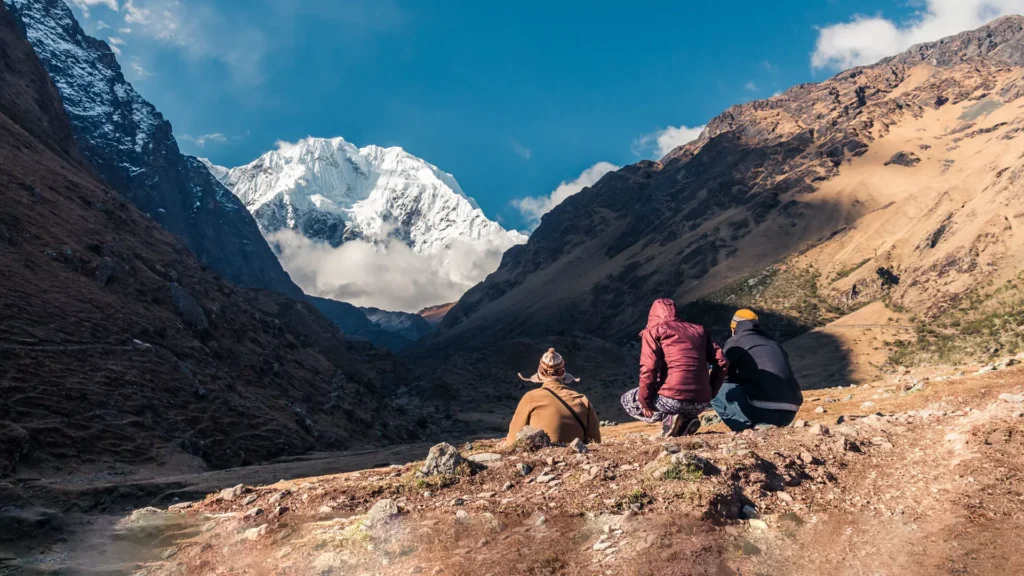
The best clothing for the Salkantay Trek should help you manage three things: temperature changes, moisture and comfort during long periods of walking.
You do not need a different outfit for every day. You need versatile pieces that work together.
Base Layers
A base layer sits next to your skin and helps manage moisture.
For colder sections, a long-sleeve thermal or moisture-wicking top can provide warmth without adding much bulk.
Thermal bottoms can also be useful for particularly cold periods or at camp.
Hiking Shirts and Mid Layers
Bring lightweight shirts suitable for walking. Quick-drying materials are useful because they handle sweat and occasional moisture better than heavy everyday clothing.
A long-sleeve hiking shirt can also provide additional protection from sun and wind.
Your mid layer should add warmth without restricting movement. A fleece is a common option because it is relatively light and easy to remove when you become warm.
Fleece or Insulating Layer
A fleece or similar insulating layer is especially useful during colder mornings, evenings and higher sections of the route.
Rather than choosing the heaviest option available, think about how it will work with your base layer and outer jacket.
The goal is to build warmth through layers.
Waterproof Jacket or Rain Poncho
Your waterproof layer should remain accessible throughout the hiking day.
A rain poncho offers broad coverage, while a waterproof shell can provide better freedom of movement. Some hikers use a combination of a waterproof jacket and a backpack rain cover.
Whichever approach you choose, test the equipment before your trip.
Hiking Pants and Thermal Bottoms
Choose hiking pants that allow comfortable movement and can handle repeated use.
Lightweight or quick-drying pants are generally more practical than heavy jeans.
For cold conditions, thermal leggings or a similar base layer can be worn underneath rather than carrying several bulky pairs of pants.
Hiking Socks and Underwear
Good socks are a small part of your packing list that can make a major difference to comfort.
Bring enough hiking socks to replace wet or uncomfortable pairs. Moisture management and fit matter more than simply wearing very thick socks.
Avoid testing brand-new sock and boot combinations for the first time on the trek.
Hat, Beanie and Gloves
You may need two types of headwear for completely different reasons:
- a hat or cap for sun protection;
- a beanie or warm hat for colder conditions.
Lightweight gloves also take little space and can make cold mornings and high-altitude sections much more comfortable.
Best Footwear for the Salkantay Trek
Your footwear should already be comfortable before you begin the trek.
The most expensive hiking boots are not automatically the best choice. Fit, grip, stability and familiarity with the footwear are more important.
Hiking Boots or Hiking Shoes?
Both hiking boots and suitable hiking shoes can work depending on the hiker.
Consider:
- the support you prefer;
- your experience walking on uneven terrain;
- grip;
- water resistance;
- weight;
- comfort over several hours;
- whether you are already accustomed to the footwear.
A boot can provide additional ankle coverage and protection, while a lighter hiking shoe may feel more comfortable for experienced hikers who prefer less weight.
The crucial rule is simple: do not begin the Salkantay Trek in footwear you have never properly tested.
Walk in your chosen shoes or boots before arriving in Peru and make sure you know how they feel on longer outings.
Camp or Spare Footwear
A lightweight second pair of footwear can be useful after the hiking day.
It gives your feet a break from hiking boots and provides an alternative if your main footwear becomes damp.
Keep this optional, however. If every additional item makes your bag considerably heavier, prioritize the equipment you will actually use while hiking.
Backpack and Bags: What Should You Carry During the Day?
A good Salkantay packing strategy separates what you need while walking from what you only need before or after the day’s hike.
This distinction matters more than simply making one long equipment list.
Before departure, check the exact luggage arrangements and allowances for your specific trek. Do not assume that the weight limits, duffel service or baggage system used by one operator will be identical to another.
What to Keep in Your Daypack
Your daypack should contain the things you may reasonably need before reaching your next stop.
Typical daypack essentials include:
- water;
- rain protection;
- sunscreen;
- sunglasses;
- sun hat;
- warm layer;
- gloves or beanie when conditions require them;
- snacks;
- personal medication;
- passport and essential travel documents;
- phone or camera;
- power bank;
- small personal hygiene items.
Arrange your backpack so that frequently used items are easy to reach.
Your rain jacket is not useful if you need to empty the entire bag to find it when the weather changes.
What Can Stay in Your Main Bag
Items that you normally do not need while walking can remain in your main luggage when your trekking arrangement allows it.
This may include:
- spare clothing;
- sleepwear;
- additional toiletries;
- clean clothes for later in the trek;
- non-essential electronics.
Check what your particular itinerary includes before deciding how to divide your equipment.
For example, travelers considering our 4-day Salkantay Trek should review the current tour details before packing so that they can match their luggage to that specific itinerary rather than relying on a generic list.
How to Keep Your Gear Dry
Do not depend entirely on the outside of your backpack remaining waterproof.
A useful strategy is to protect important items individually.
You can use:
- dry bags;
- waterproof packing sacks;
- resealable bags for small items;
- an internal backpack liner;
- a backpack rain cover.
Keep your passport, electronics and dry clothing particularly well protected.
Essential Hiking Gear for the Salkantay Trek
Not every piece of hiking equipment sold for trekking is essential.
Focus first on the equipment that improves safety, comfort or practicality on the route.
Trekking Poles
Trekking poles can be useful during steep climbs and descents, particularly for hikers who prefer extra balance or want to reduce impact on their knees.
If you use them, practice beforehand rather than learning on your first trekking day.
There is also an important distinction between using poles during the trek and entering Machu Picchu with them. Current official Machu Picchu rules prohibit walking sticks inside the archaeological site, along with several other restricted items. Check the official Machu Picchu code of conduct before your visit because site regulations can change.
Headlamp
A headlamp is compact and much easier to use than holding a phone flashlight.
It can be useful during:
- early starts;
- low-light conditions;
- camp;
- finding equipment before sunrise.
Bring charged batteries or make sure the headlamp is fully charged before the trek.
Reusable Water Bottle or Hydration System
Water should remain easily accessible while hiking.
Some travelers prefer bottles because they can quickly see how much water remains. Others prefer a hydration bladder because they can drink without removing their backpack.
Choose the system you already find comfortable and check the water arrangements for your specific tour before departure.
Sunglasses and Sun Protection
High-altitude sun exposure can be intense even when the air feels cold.
Pack:
- UV-protective sunglasses;
- sunscreen;
- sun hat or cap;
- lip balm with sun protection.
Apply sun protection before you feel that you need it and remember that exposed areas such as the face, ears, neck and hands can receive significant sun.
Power Bank and Electronics
Do not assume you will always have convenient access to electricity exactly when you need it.
A charged power bank can help keep your phone, camera or other essential devices operating during the route.
Before leaving Cusco:
- charge all devices;
- download anything you may need offline;
- free space for photos;
- protect electronics from rain;
- reduce unnecessary battery use.
Toiletries, Health and Personal Items
A trekking toiletry bag should be small and practical.
You are not packing a hotel bathroom. Prioritize what you genuinely need over several days outdoors.
Personal Medication and Basic First-Aid Items
Bring enough of any medication you normally require for the complete trip, preferably with a reasonable margin in case your plans change.
Keep essential medication in your daypack rather than somewhere you cannot access while hiking.
A compact set of personal first-aid items may include products you already know how to use for minor cuts, blisters or discomfort.
Do not use a packing list as a substitute for professional medical advice. If you have concerns about hiking at altitude or an existing medical condition, discuss them with an appropriate healthcare professional before your trip.
Sunscreen, Lip Balm and Insect Repellent
These items address different environments along the route.
Sunscreen and lip protection are particularly important when you are exposed to strong Andean sun.
Insect repellent can become more useful as you descend toward lower and warmer areas.
Keep small amounts accessible in your daypack so you can reapply them when necessary.
Toilet Paper and Hand Sanitizer
These are easy items to forget because they seem insignificant when packing at home.
A small supply of toilet paper or tissues and hand sanitizer takes little room and can be useful during a multi-day trek.
Protect toilet paper from moisture inside a resealable bag.
Personal Hygiene Essentials
Keep toiletries simple.
Typical items include:
- toothbrush;
- toothpaste;
- deodorant;
- wet wipes;
- small towel if required;
- menstrual products if needed;
- other essential personal-care products.
Travel-size containers can reduce unnecessary weight and bulk.
Documents and Money to Bring on the Salkantay Trek
Your passport and travel documents are among the most important items on this entire Salkantay Trek packing list.
Clothing can often be replaced. Essential identification may be much more difficult to resolve once your trek has begun.
Passport
Keep your original passport protected and accessible.
If your Salkantay itinerary finishes with a visit to Machu Picchu, your identification details need to correspond with the travel arrangements and admission documentation associated with your visit.
Place your passport inside a waterproof pouch or bag rather than leaving it unprotected in your backpack.
Machu Picchu Tickets and Travel Documents
Before leaving Cusco, check exactly which documents are required for your itinerary and which documents are being handled as part of your booking.
Do not rely exclusively on screenshots that may be difficult to access when your phone battery or connection is limited. Keep important information organized before departure.
Travelers arranging admission independently can consult the official Machu Picchu online ticket information provided by Peru’s Ministry of Culture.
Cash in Peruvian Soles
Carrying some cash in Peruvian soles can be useful during a multi-day route.
Do not assume card payments will always be available in remote areas.
Keep money protected from rain and divide it sensibly rather than storing everything in one exposed location.
What to Pack for Machu Picchu After the Salkantay Trek
Machu Picchu is not simply another hiking stop. The archaeological site has its own visitor rules, so your trekking equipment needs to be organized accordingly.
Current official rules state that backpacks, bags or purses larger than 40 × 35 × 20 cm (16 × 14 × 8 in) are prohibited inside the llaqta. Walking sticks, tripods, selfie sticks, food and several other items are also restricted.
This means the bag you use during the trek should not automatically be treated as the bag you will take into the archaeological site.
Keep Your Passport Accessible
Do not bury your passport underneath clothes and trekking equipment before the final part of your journey.
Keep it protected but accessible together with the documents required for your Machu Picchu visit.
Pack a Clean Change of Clothes
After several days of hiking, having a clean shirt, socks and other basic clothing available for your Machu Picchu visit can make the final day much more comfortable.
You do not need an entire extra wardrobe. A carefully selected change of clothes is usually more useful than several unnecessary items.
Keep Your Machu Picchu Essentials Separate
Organize the final-day essentials before the trek rather than attempting to reorganize every piece of luggage at the last minute.
A practical setup could keep together:
- identification;
- relevant travel documents;
- small permitted bag;
- rain protection when appropriate;
- sun protection;
- phone or camera;
- essential personal medication.
Remember that Machu Picchu’s entry rules and your trekking packing list are not identical. Always review the current official regulations close to your visit.
Salkantay Trek Packing List for the Dry and Rainy Seasons
The core Salkantay packing list remains similar throughout the year.
What changes is the importance you give to particular layers and rain protection.
Packing for Drier Conditions
During generally drier conditions, do not make the mistake of packing only for warm, sunny weather.
High-altitude sections can still be cold, particularly during early starts and when the sun is not providing warmth.
Prioritize:
- effective layering;
- warm clothing for high elevations;
- sun protection;
- lip balm;
- sunglasses;
- adequate hydration;
- lightweight rain protection as a precaution.
A clear sky does not eliminate the need for warm clothing in the Andes.
Packing for Wetter Conditions
When wetter conditions are expected, protecting your equipment becomes especially important.
Prioritize:
- reliable rain jacket or poncho;
- backpack rain cover;
- waterproof protection inside the backpack;
- quick-drying clothing;
- spare dry socks;
- protection for electronics and documents.
Avoid packing excessive amounts of clothing simply because rain is possible. Keeping a smaller amount of suitable clothing dry is usually more practical than carrying a heavy bag full of unsuitable items.
What Not to Pack for the Salkantay Trek
One of the easiest packing mistakes is preparing for every imaginable situation.
Extra weight accumulates quickly.
Before adding an item, ask yourself whether you will realistically use it and whether another item already serves the same purpose.
Too Many Changes of Clothes
You do not need a completely different hiking outfit for every day.
Prioritize clothing that can be combined, layered and reused.
A sensible selection of hiking shirts, base layers, socks and clean clothing for the end of the trek is more efficient than packing several bulky outfits.
Heavy or Unnecessary Equipment
Avoid adding equipment simply because it appears on a generic adventure packing list.
Examples can include:
- oversized toiletries;
- unnecessary electronic devices;
- heavy everyday clothing;
- multiple pieces of equipment serving the same function;
- large amounts of food without checking your itinerary;
- excessive spare footwear.
Every item has to be carried somehow.
The objective is not to own the most trekking equipment. It is to have the right equipment for your route.
Gear Already Included in Your Trek
Before buying or packing specialized equipment, check the inclusions of your specific Salkantay itinerary.
Different trekking programs can have different arrangements, so never assume that an item included by one operator will automatically be included by another.
This is also relevant when choosing between different trip lengths. A traveler taking a 5-day Salkantay Trek may organize clothing and personal items differently from someone following a shorter itinerary.
Review your confirmed trip information first, then use this packing list to fill the gaps.
Final Salkantay Trek Packing Tips from a Local Cusco Tour Operator
The best Salkantay Trek packing list is not the longest one. It is the one that prepares you for changing conditions while keeping your luggage manageable.
Peru Top Experience is a local tour operator based in Cusco offering several Salkantay trekking itineraries to Machu Picchu. From that practical perspective, three principles should guide your packing.
Pack in Layers, Not for a Single Temperature
Salkantay is a route where conditions change as you move through different elevations and environments.
Build a clothing system that lets you add or remove:
- a moisture-managing base layer;
- a warming mid layer;
- an insulating layer when necessary;
- waterproof protection.
That gives you more flexibility than relying on one very heavy piece of clothing.
Keep Daytime Essentials Accessible
Your daypack should be organized around what you might need while walking, not simply around what fits.
Keep water, rain protection, sun protection, medication and an extra layer within easy reach.
Pack less frequently used items deeper in the bag or in the main luggage when your itinerary allows it.
Check What Your Salkantay Trek Includes Before Packing
Finally, compare your packing list with your actual booking.
Check:
- itinerary length;
- luggage arrangements;
- included equipment;
- meals and water arrangements;
- accommodation format;
- Machu Picchu visit details;
- any operator-specific instructions.
If you are still planning your trip, explore our Salkantay Trek options to compare available itineraries before deciding what you need to pack.
A good packing strategy is simple: bring what you need for changing mountain conditions, keep essential items accessible and avoid carrying things your trek does not require.