Peru is known around the world for Machu Picchu, but there is much more to the country than its most famous archaeological site.
Peru brings together ancient civilizations, living Indigenous cultures, Pacific deserts, high Andean mountains and the Amazon rainforest. Its history stretches back thousands of years, while traditions developed long before the Inca Empire remain part of everyday life today.
If you are curious about the country or planning a trip, these 25 interesting facts about Peru offer a closer look at its history, geography, wildlife, food and culture.
Quick Facts About Peru
Before exploring the more surprising facts, here are some basics about Peru:
- Location: Western South America
- Capital: Lima
- Currency: Peruvian sol
- Main language: Spanish
- Indigenous languages: Quechua, Aymara and dozens of other Indigenous languages are spoken across the country
- Main geographical regions: Coast, Andes and Amazon
- Famous destinations: Cusco, Machu Picchu, Lake Titicaca, the Sacred Valley, Arequipa, Colca Canyon, Nazca and the Peruvian Amazon
Peru’s Ministry of Culture currently recognizes 48 Indigenous or native languages, including four spoken in the Andes and 44 in the Amazon.
Facts About Peru’s Ancient History and the Incas
1. Machu Picchu Sits More Than 2,400 Metres Above Sea Level
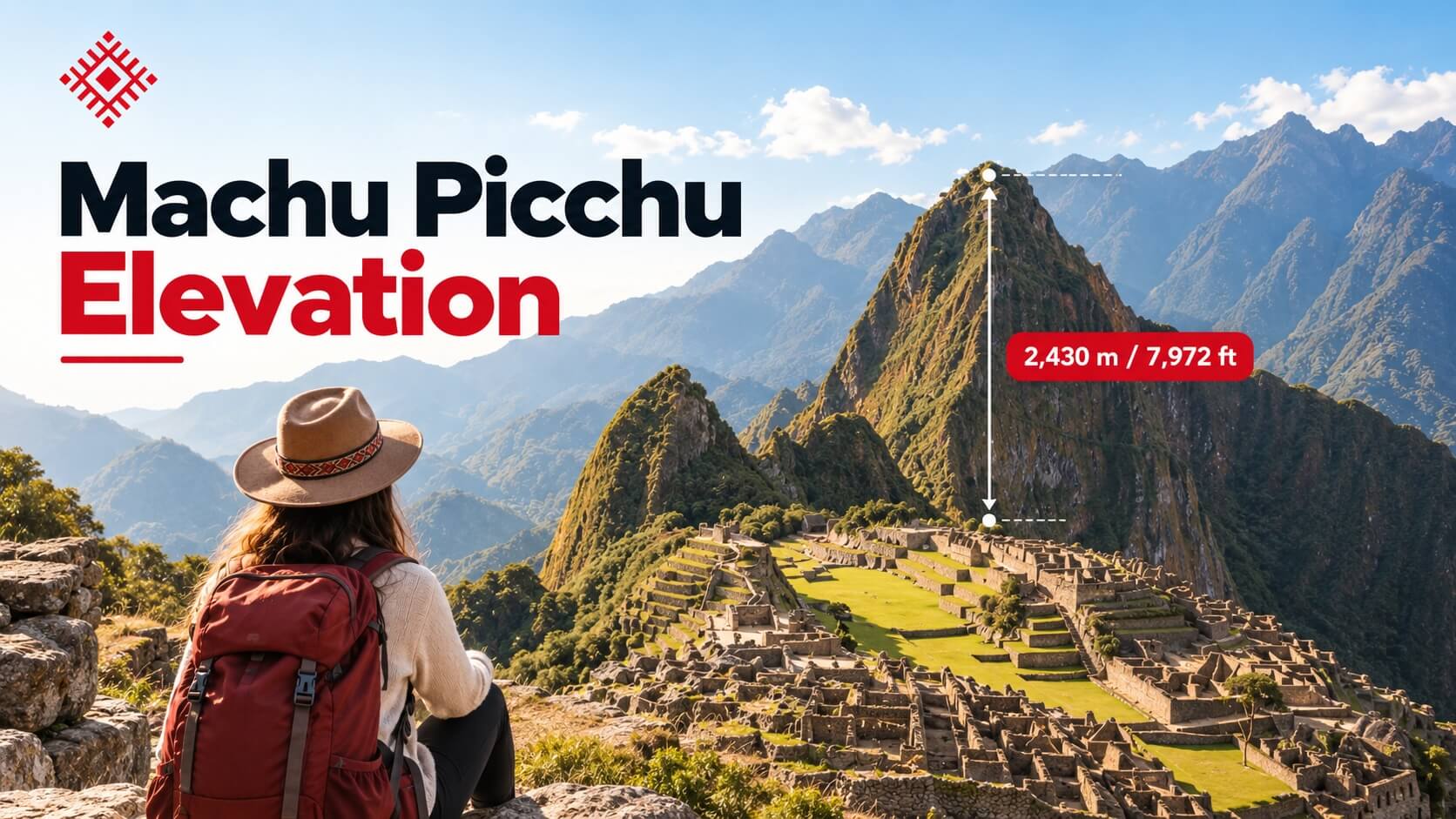
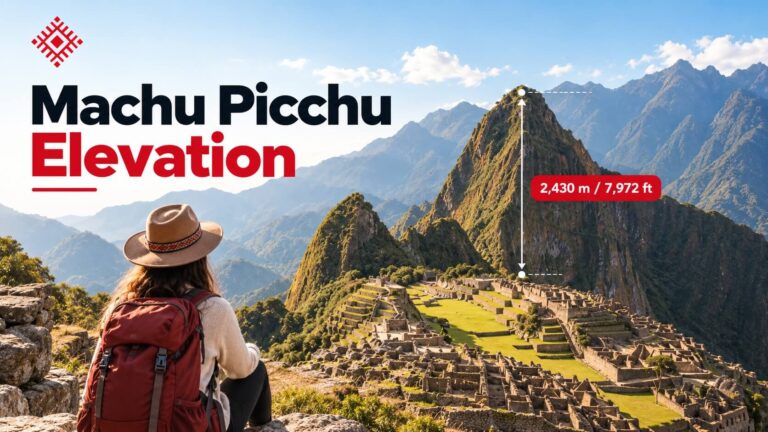
Machu Picchu stands approximately 2,430 metres (7,970 feet) above sea level, where the Peruvian Andes meet the upper Amazon Basin. UNESCO describes the sanctuary as one of the most significant surviving legacies of the Inca civilization.
Its dramatic location is part of what makes the site so remarkable. Visitors are surrounded not by the dry high Andes many people imagine, but by steep mountains covered in lush vegetation.
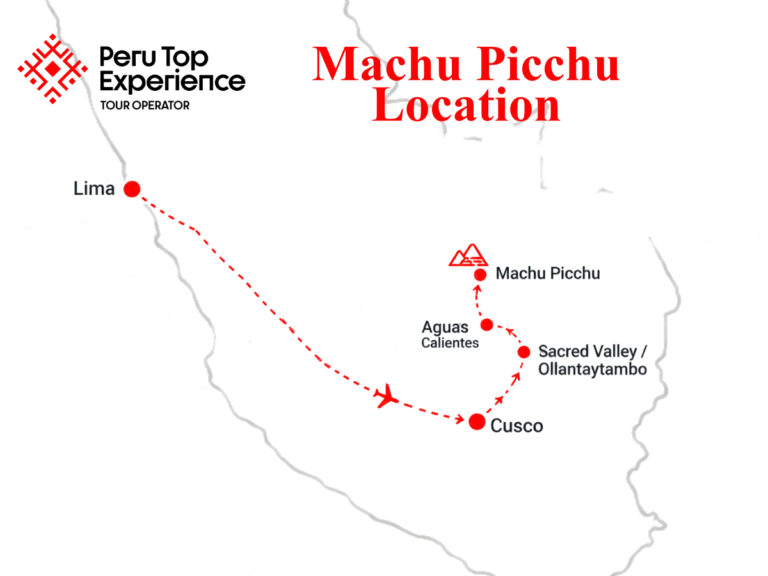
Today, travellers can reach the archaeological site in several ways, including by train or trekking routes. Our guide to Machu Picchu tours covers the different ways to experience the site from Cusco.
2. The Inca Empire Built an Enormous Road Network
Long before modern highways crossed the Andes, an extensive road system connected the Inca Empire.
Known as Qhapaq Ñan, the Andean Road System extended for more than 30,000 kilometres. It connected mountains, valleys, rainforest and desert landscapes and supported communication, trade, administration and defence across the empire.
Four principal routes originated from Cusco, the political centre of Tawantinsuyu.
Parts of this network still survive, and some historic paths are incorporated into present-day trekking routes through the Andes.
3. The Incas Used Quipus to Record Information
The Incas did not develop a conventional alphabetic writing system like those used in Europe, but they recorded information using quipus, arrangements of cords and knots.
Different combinations of knots, colours and cord positions could encode information. Quipus are commonly associated with accounting and administration, although researchers continue studying the extent of the information they may have contained.
Remarkably, archaeological evidence of quipu-like recording systems predates the Inca Empire itself.
4. Caral Is Around 5,000 Years Old
Peruvian history reaches much further back than the Incas.
The Sacred City of Caral-Supe, north of Lima, is approximately 5,000 years old. UNESCO identifies it as the oldest known centre of civilization in the Americas. The archaeological site includes monumental platform structures, circular courts and evidence of a complex urban society.
That means sophisticated societies were developing on the Peruvian coast thousands of years before the rise of the Inca Empire.
5. The Incas Were Only One of Peru’s Great Civilizations
Machu Picchu often dominates international perceptions of Peruvian history, but the Incas represent only one chapter.
Before the Inca Empire expanded across the Andes, cultures including the Moche, Nazca, Wari, Chimú and Chavín developed complex settlements, artistic traditions, agricultural systems and religious centres in different parts of present-day Peru.
The country’s UNESCO World Heritage sites reflect some of this diversity, including Caral, Chavín, Chan Chan and the Lines and Geoglyphs of Nazca and Palpa alongside Cusco and Machu Picchu.
Facts About Peru’s Geography and Natural Wonders
6. Peru Has Coast, Andes and Amazon Rainforest
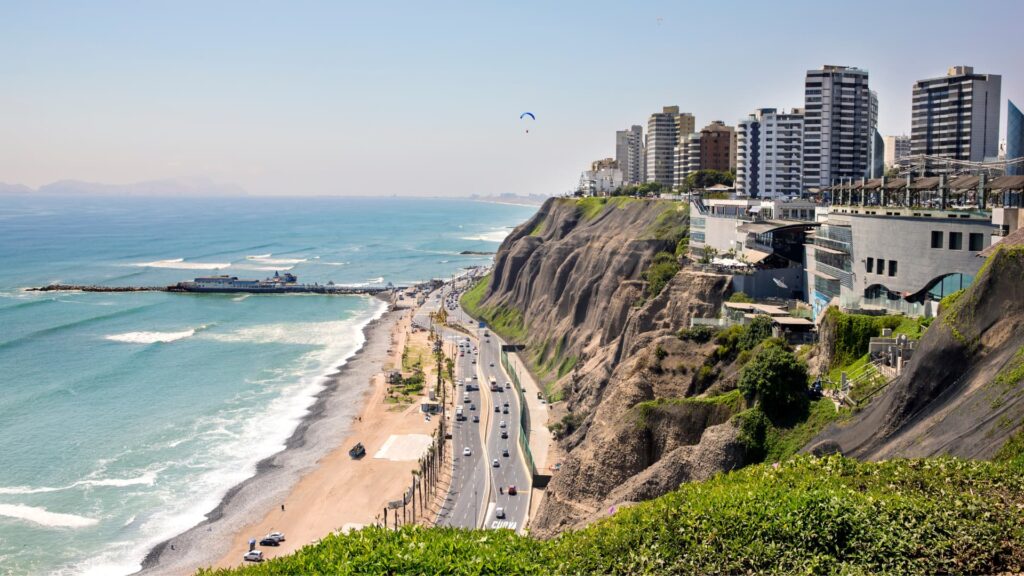
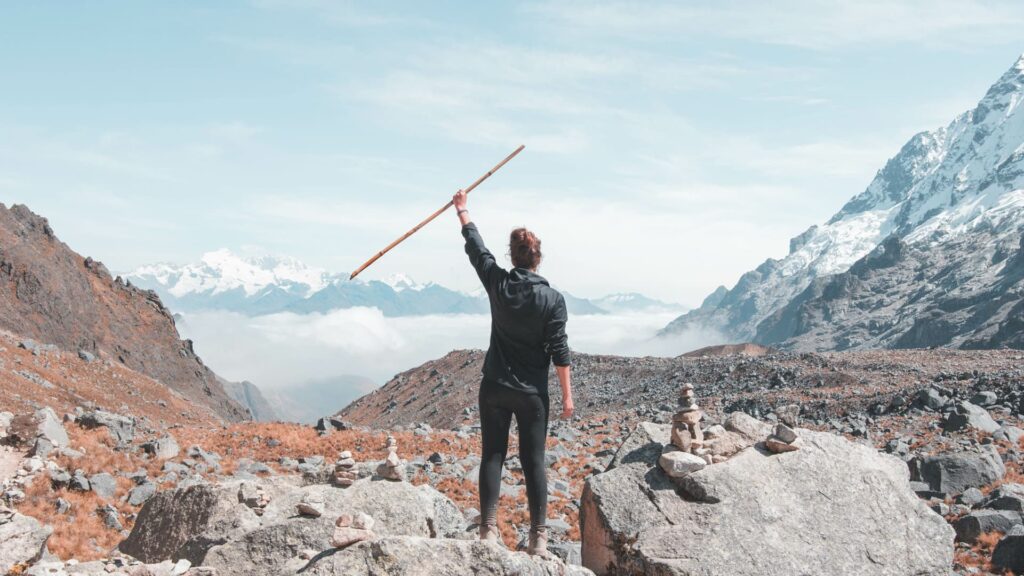
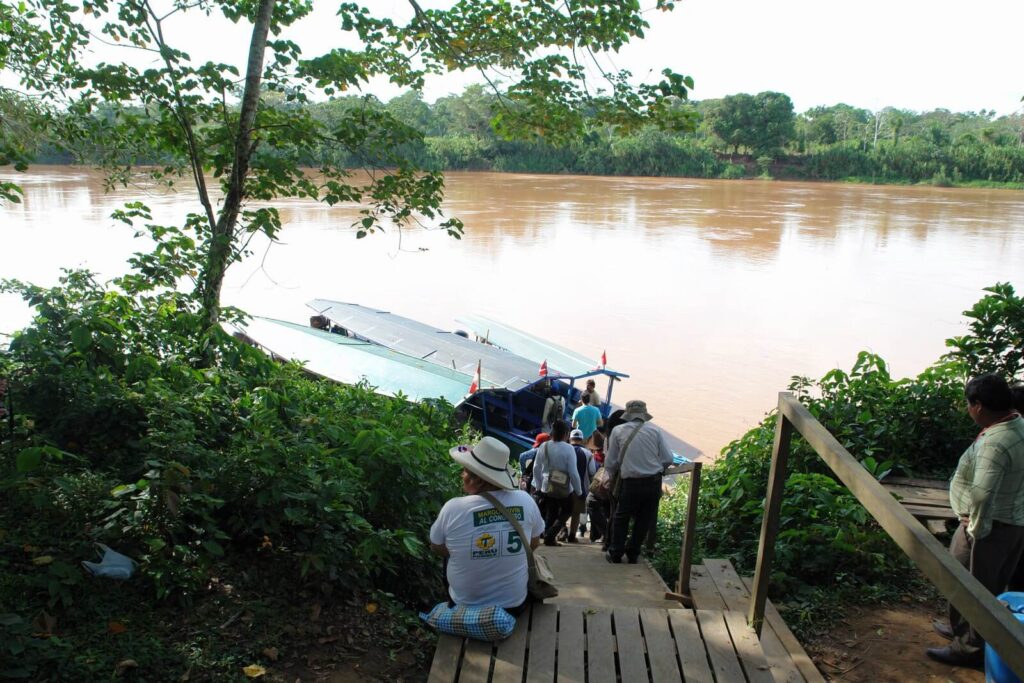
One of the defining facts about Peru is the extraordinary variety of landscapes contained within one country.
Peru is traditionally divided into three broad natural regions: the Costa (coast), Sierra (Andes) and Selva (Amazon).
The Pacific coast includes large desert areas, the Andes run longitudinally through the country, and the eastern side of Peru descends into the vast Amazon Basin.
This means a journey across Peru can take you from oceanfront desert to snow-capped mountains and tropical rainforest.
7. Peru Is an Important Part of the Amazon Basin
The Amazon is not limited to Brazil. A significant portion of eastern Peru lies within the Amazon Basin, and major river systems descend from the Andes into the tropical lowlands.
The contrast can be especially surprising around Cusco. Machu Picchu itself is located on the eastern slopes of the Andes within the upper Amazon Basin, which helps explain the dense vegetation surrounding the sanctuary.
Travel farther east and the landscape becomes progressively more tropical.
8. Lake Titicaca Is More Than 3,800 Metres Above Sea Level
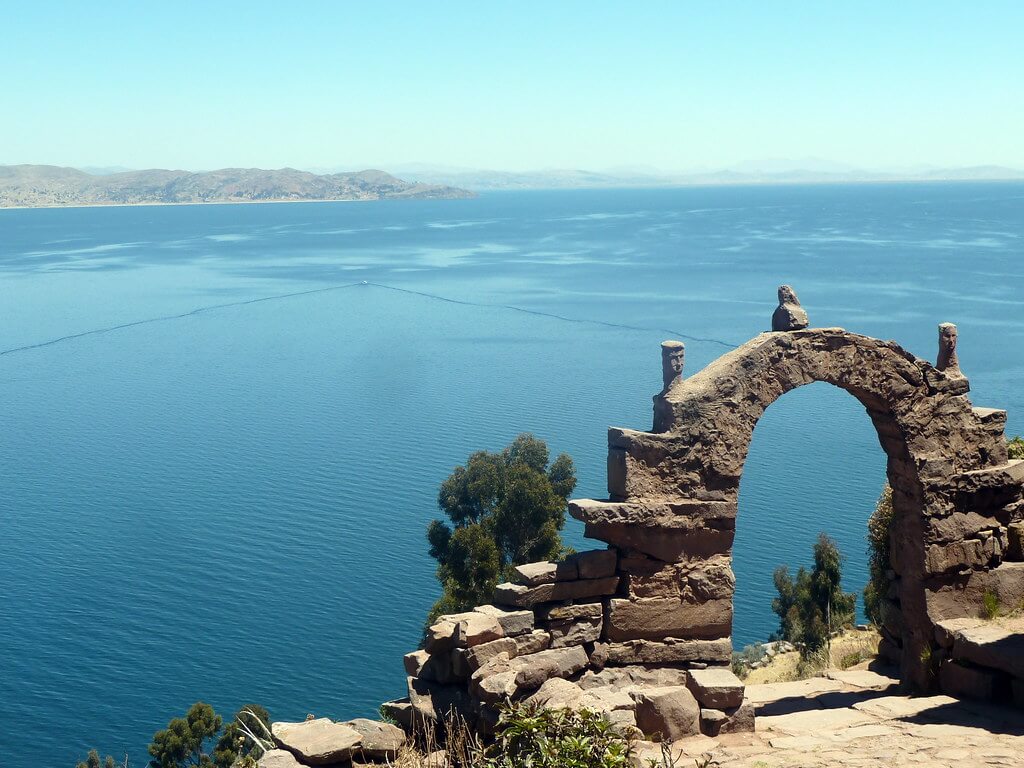
Straddling the border between Peru and Bolivia, Lake Titicaca lies high on the Andean Altiplano at roughly 3,800 metres above sea level.
The lake is not only geographically remarkable. It has deep cultural importance for communities of the region and appears prominently in Andean history and mythology.
Travellers interested in southern Peru can explore Puno and the lake through our Lake Titicaca and Puno tours.
9. The Uros Build Floating Islands From Totora Reeds
Some of the best-known communities on the Peruvian side of Lake Titicaca are the Uros.
For generations, Uro communities have used totora, a reed that grows in the lake, to construct and maintain floating islands as well as boats and other structures.
Peru’s Ministry of Culture recognizes the ancestral knowledge and practices associated with Uro management of totora as part of the country’s cultural heritage.
These islands are not archaeological reconstructions. Uro identity and traditional knowledge remain part of the living culture of the Lake Titicaca region.
10. Much of Peru’s Pacific Coast Is Desert
Mention Peru and many people picture green mountains around Machu Picchu. Yet a large part of the Pacific coast is remarkably dry.
Peru’s coastal region contains deserts, cliffs, beaches, fertile river valleys and even an oasis. The coastal desert extends for much of the length of the country.
This creates striking landscapes around destinations such as Paracas, Ica and Huacachina and illustrates just how dramatically Peru’s geography can change over relatively short distances.
Facts About Peruvian Wildlife and Biodiversity
11. Alpacas and Vicuñas Are Native to the Andes

Few animals are as closely associated with the Peruvian Andes as alpacas and vicuñas.
Both are South American camelids adapted to high-altitude environments. Alpacas have been domesticated and raised for generations, particularly for their fibre, while vicuñas remain wild.
They are distinct animals, despite often being confused by visitors seeing them for the first time.
In Andean regions around Cusco, Puno and Arequipa, camelids remain closely connected with rural economies, textiles and traditional ways of life.
12. The Andean Condor Can Be Seen in Peru
The Andean condor is one of South America’s most recognizable birds and an important cultural symbol throughout the Andes.
In Peru, one of the best-known places to observe condors is Colca Canyon, where the enormous birds can sometimes be seen using rising air currents along the canyon walls.
Colca is part of the wider Arequipa region and can be combined with other southern Peru destinations. See our Arequipa and Colca tours for more about travelling through this part of the country.
13. Pink River Dolphins Live in the Peruvian Amazon
Not all of Peru’s remarkable wildlife lives in the mountains.
The country’s Amazon waterways are home to freshwater dolphins, including the distinctive Amazon river dolphin, commonly known as the pink river dolphin.
Their colour can range considerably rather than always appearing bright pink, but mature individuals may develop the pinkish coloration that gives the species its popular name.
They are one example of how different the wildlife becomes as travellers move from the high Andes into lowland Amazonia.
14. Penguins Live on Peru’s Pacific Coast
Peru may sit in the tropics, but penguins live along its coast.
Humboldt penguins inhabit parts of the Pacific coast of Peru and Chile. The cold, nutrient-rich Humboldt Current creates marine conditions that support wildlife more commonly associated with cooler environments.
This is why travellers exploring places such as the Paracas area may encounter a surprising combination of desert scenery, sea lions, seabirds and penguins.
15. Peru’s Altitude Creates Very Different Ecosystems
Few countries offer such dramatic environmental changes within relatively short distances.
Elevation rises from sea level on the Pacific coast to Andean peaks thousands of metres high before dropping toward the Amazon Basin in the east.
Those changes influence temperature, rainfall, vegetation, agriculture and wildlife. Peru therefore contains coastal deserts, inter-Andean valleys, puna grasslands, cloud forests and tropical rainforest, among many other ecosystems.
Machu Picchu illustrates this meeting of worlds particularly well: UNESCO describes its setting as the point where the Peruvian Andes meet the Amazon Basin.
Facts About Peruvian Food
16. Potatoes Were Domesticated in the Andes
One of the world’s most familiar foods has deep roots in the Andes.
The potato is native to the Andean region and has been cultivated there for thousands of years. From the highlands of South America, it eventually spread around the world and became a staple crop on multiple continents.
In Peru, potatoes are not simply a side dish. They remain closely connected with agriculture, traditional cuisine and Andean food culture.
17. Peru Grows an Extraordinary Diversity of Potatoes
Visitors expecting only the handful of potato varieties typically found in supermarkets may be surprised by Peruvian markets.
Different potatoes vary in size, colour, texture, flavour and the altitude at which they grow. This agricultural diversity reflects generations of cultivation in highly varied Andean environments.
Instead of treating “the potato” as a single ingredient, Peruvian cuisine uses different varieties for different dishes and preparation methods.
18. Ceviche Is Part of Peru’s Living Cultural Heritage
Ceviche is one of Peru’s most internationally recognized foods, but its significance goes beyond the finished plate.
Peruvian ceviche traditionally combines raw fish with citrus, chilli and salt, with preparations and accompaniments varying by region.
In 2023, UNESCO inscribed the practices and meanings associated with the preparation and consumption of ceviche on the Representative List of the Intangible Cultural Heritage of Humanity. UNESCO emphasizes not only the recipe but also the knowledge linking fishing, farming, preparation and local cultural identity.
19. Cuy Is a Traditional Andean Food
For many international travellers, seeing cuy, or guinea pig, on a restaurant menu can come as a surprise.
In the Andes, however, cuy has a long history as a traditional food rather than being regarded simply as an unusual tourist dish.
It continues to be prepared in different regional styles and can be associated with family meals, festivals and special occasions.
Understanding that cultural context is more useful than treating the dish merely as a “strange food” challenge.
20. Peruvian Cuisine Reflects Centuries of Cultural Exchange
There is no single influence behind Peruvian food.
Indigenous ingredients and cooking traditions have interacted over centuries with influences introduced through Spanish colonization and later African, Chinese, Japanese and other immigrant communities.
That history can be seen in Peru’s enormous culinary variety, from Andean potato dishes and coastal ceviche to chifa, the Peruvian tradition that developed from Chinese culinary influences, and Nikkei cuisine associated with Japanese-Peruvian culinary exchange.
Peruvian food is therefore one way of reading the country’s broader cultural history.
Facts About Peruvian Culture and Everyday Life
21. Spanish Is Not the Only Language Spoken in Peru
Spanish is widely spoken throughout Peru, but the country’s linguistic landscape is far richer.
Peru’s Ministry of Culture recognizes 48 Indigenous or native languages. Quechua is spoken across much of the country, while Aymara is particularly important in parts of the southern Andes. Most of Peru’s recognized Indigenous languages are found in Amazonian regions.
For travellers, this is an important reminder that Peru is culturally and linguistically diverse rather than culturally uniform.
22. Quechua Culture Is Still Alive
It is easy to visit archaeological sites around Cusco and think of Andean culture primarily in historical terms.
But Quechua language and culture are very much part of contemporary Peru.
Quechua-speaking communities maintain knowledge and traditions connected with farming, textiles, music, food, festivals and relationships with the Andean landscape.
Travelling through Cusco and the Sacred Valley of the Incas therefore provides an opportunity to encounter both archaeological heritage and living communities.
23. Traditional Textiles Can Express Local Identity
Brightly coloured Andean textiles are among the most recognizable forms of Peruvian craftsmanship.
Traditional weaving involves knowledge of fibres, spinning, dyeing and weaving techniques passed through generations. Designs and techniques can vary substantially from one community to another.
For that reason, it is better to understand Peruvian textiles as diverse regional traditions rather than assuming that every colour or pattern has one universal meaning throughout the Andes.
In communities around Cusco and the Sacred Valley, textile traditions continue alongside contemporary economic and cultural life.
24. Many Peruvian Festivals Combine Different Cultural Traditions
Peruvian festivals often reveal how different layers of the country’s history interact.
Catholic celebrations introduced during the colonial period developed alongside pre-existing Andean beliefs, music, dance and community traditions. The result is not simply one tradition replacing another, but complex celebrations with regional identities of their own.
UNESCO’s list of Peru’s intangible cultural heritage includes examples such as the Festivity of Virgen de la Candelaria of Puno and the Wititi dance of the Colca Valley.
Cusco’s festival calendar also makes the city an especially interesting place to experience the relationship between Andean history and contemporary cultural life.
25. Peru Is Much More Than Machu Picchu
Machu Picchu deserves its fame, but one of the most important facts to understand about Peru is how much exists beyond it.
You can explore ancient coastal civilizations, walk through high-altitude Andean valleys, cross desert landscapes, visit communities on Lake Titicaca, experience Amazon rainforest and discover regional food traditions that change as you travel around the country.
Even around Cusco, experiences vary enormously. The Sacred Valley presents archaeological sites and living Andean communities, while destinations such as Rainbow Mountain reveal a very different high-altitude landscape.
And Machu Picchu itself can be approached in different ways. Travellers with limited time may choose a full-day Machu Picchu tour from Cusco, while those wanting to spend more time in the Andes can build the site into a longer Peru itinerary.
What Makes Peru So Unique?
Peru is unusual because so many different histories, landscapes and cultures exist within the same country.
Its archaeological heritage extends thousands of years before the Inca Empire. Its territory connects the Pacific coast, some of the world’s highest tropical mountains and the Amazon Basin. Meanwhile, Indigenous languages, agricultural knowledge, weaving, festivals and culinary traditions demonstrate that Peru’s cultural heritage is not confined to museums and archaeological ruins.
For travellers, that diversity means Peru cannot really be understood through a single destination.
Machu Picchu may be the country’s best-known landmark, but places such as Cusco, the Sacred Valley, Lake Titicaca, Arequipa, Colca, the coastal deserts and the Amazon each reveal a different side of Peru.
That is what makes travelling through the country so rewarding: each region adds another piece to the story.