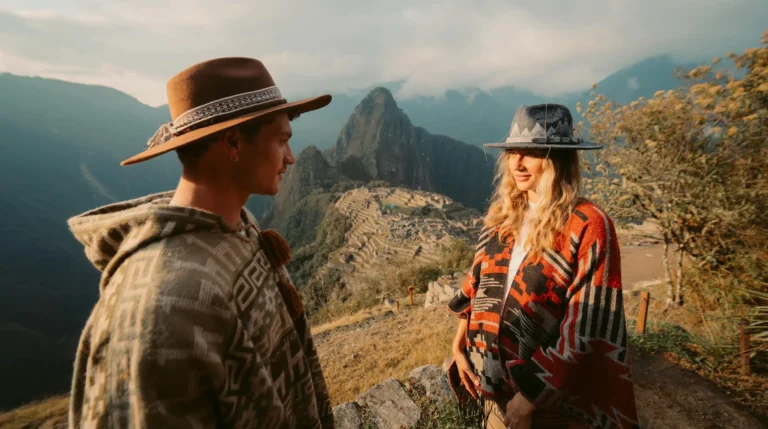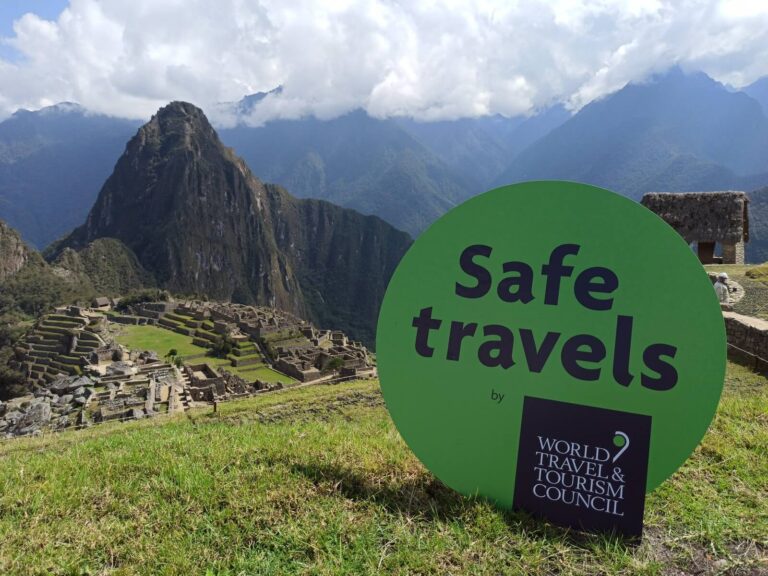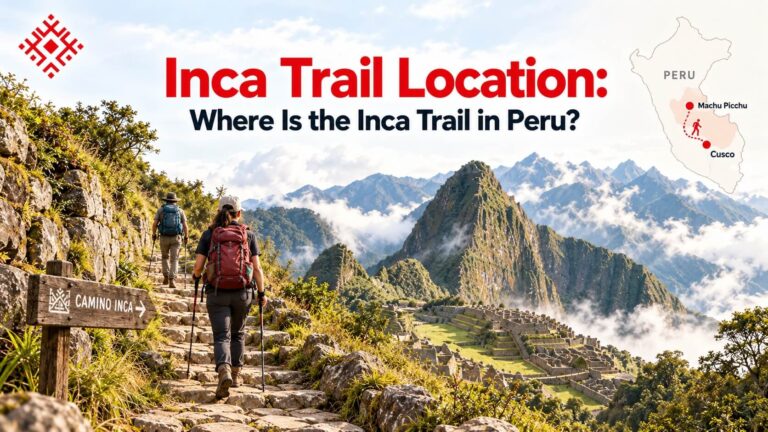
Machu Picchu sits at 2,430 meters (7,972 feet) above sea level in the Peruvian Andes. UNESCO uses this elevation for the Historic Sanctuary of Machu Picchu.
That makes Machu Picchu a high-altitude destination, but one important detail surprises many travelers: Machu Picchu is almost 1,000 meters lower than Cusco.
This difference matters when planning your trip. You may arrive in Cusco at a much higher elevation, travel through the Sacred Valley, descend toward Machu Picchu Pueblo, and then visit the archaeological site at 2,430 meters.
Understanding those changes can help you plan your first days in Peru, choose activities that fit your comfort level, and distinguish between visiting the citadel and hiking the considerably higher mountains and trekking routes around it.
If Machu Picchu is the main reason for your trip, you can also explore our Machu Picchu tours to compare different ways of visiting the site.
What Is the Elevation of Machu Picchu?
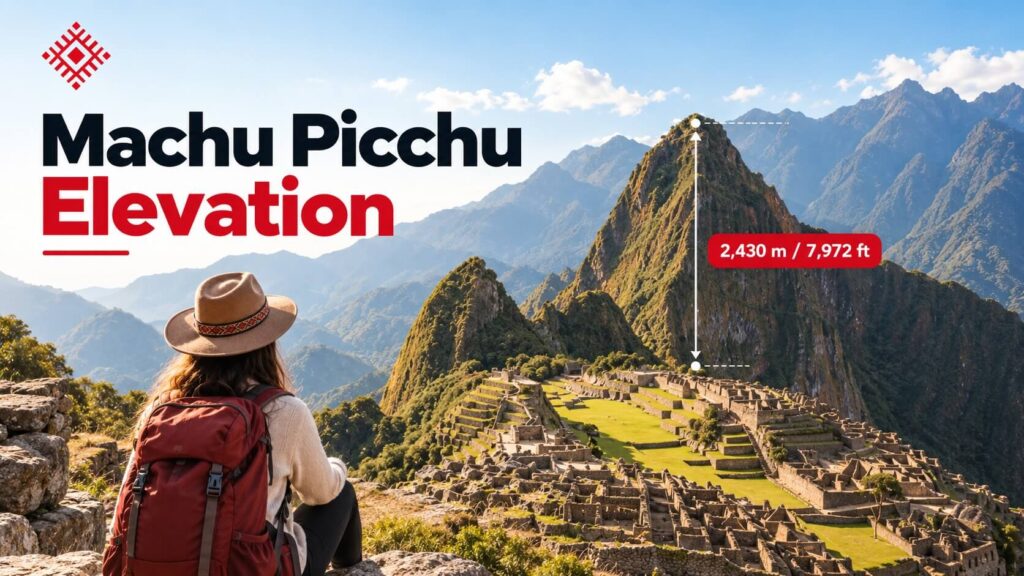
The official elevation commonly used for Machu Picchu is 2,430 meters above sea level, equivalent to approximately 7,972 feet.
This figure refers to the Inca archaeological site itself. It should not be confused with the elevation of Huayna Picchu, Machu Picchu Mountain, Cusco, or the higher passes reached on trekking routes.
Machu Picchu occupies a mountain ridge on the eastern slopes of the Andes, where the Andean landscape transitions toward the upper Amazon basin. That geography explains why the environment around the ruins looks greener and more tropical than the high plateau around Cusco.
Machu Picchu Elevation in Feet and Meters
For quick reference:
| Location | Elevation |
|---|---|
| Machu Picchu citadel | 2,430 m / 7,972 ft |
| Aguas Calientes / Machu Picchu Pueblo | Approx. 2,040 m / 6,693 ft |
| Huayna Picchu | Approx. 2,720 m / 8,924 ft |
| Machu Picchu Mountain | Approx. 3,082 m / 10,111 ft |
| Ollantaytambo | Approx. 2,792 m / 9,160 ft |
| Cusco | Approx. 3,395 m / 11,138 ft |
UNESCO confirms the 2,430-meter elevation of Machu Picchu, while PromPerú places Cusco at about 3,395 meters. Ollantaytambo’s municipal tourism information places the town at 2,792 meters.
Is Machu Picchu Considered High Altitude?
Yes. At 2,430 meters, Machu Picchu is high enough for some travelers to notice the effects of reduced oxygen, particularly if they have arrived recently from close to sea level.
The CDC notes that unacclimatized travelers sleeping at elevations of around 2,450 meters (8,000 feet) or higher can be at risk of altitude illness, although susceptibility varies significantly from person to person.
Machu Picchu is therefore close to the elevation where altitude becomes relevant, but it is substantially lower than Cusco and many popular hikes in the region.
Machu Picchu Elevation Compared With Cusco and Nearby Destinations
Looking only at the elevation of Machu Picchu can be misleading because most travelers move through several different altitudes during the same trip.
A typical journey may start in Cusco, descend through the Sacred Valley to Ollantaytambo, continue by train toward Aguas Calientes, and then climb by road or trail to Machu Picchu.
Machu Picchu vs. Cusco Elevation
The difference between Cusco and Machu Picchu is significant:
- Cusco: approximately 3,395 m / 11,138 ft
- Machu Picchu: 2,430 m / 7,972 ft
- Difference: approximately 965 m / 3,166 ft
PromPerú lists Cusco at 3,395 meters, while UNESCO places Machu Picchu at 2,430 meters.
In practical terms, you descend almost one vertical kilometer when traveling from Cusco to Machu Picchu.
This is why travelers who first notice the altitude in Cusco may feel more comfortable once they reach the Machu Picchu area. That is not a guarantee—individual responses to altitude vary—but the lower elevation generally means less hypoxic stress than at Cusco.
Machu Picchu vs. Aguas Calientes Elevation
Aguas Calientes, officially known as Machu Picchu Pueblo, lies below the archaeological site at approximately 2,040 meters (6,693 feet).
From the town, visitors travel uphill to the Machu Picchu entrance either by shuttle bus or on foot.
This means that travelers staying overnight in Aguas Calientes sleep several hundred meters lower than the archaeological site.
For travelers who prefer not to combine the journey from Cusco and the entire Machu Picchu visit into one long day, our 2-day Machu Picchu overnight tour provides an alternative way to structure the experience.
Machu Picchu vs. Sacred Valley Elevation
Many places in the Sacred Valley are also lower than Cusco.
Ollantaytambo, one of the main railway departure points for Machu Picchu, sits at approximately 2,792 meters (9,160 feet) according to local municipal tourism information.
That makes the Sacred Valley an important part of the elevation profile of a Cusco–Machu Picchu itinerary.
Instead of thinking of the journey as staying at one constant altitude, it is more accurate to picture it as a series of changes:
Cusco → Sacred Valley → Aguas Calientes → Machu Picchu
Travelers who want to explore the valley before continuing toward Machu Picchu can see our Sacred Valley of the Incas tour.
Elevation of Machu Picchu, Huayna Picchu and Machu Picchu Mountain
One of the most common sources of confusion is the difference between Machu Picchu the archaeological site, Huayna Picchu, and Machu Picchu Mountain.
They are three different places with different elevations and different levels of physical effort.
Huayna Picchu Elevation
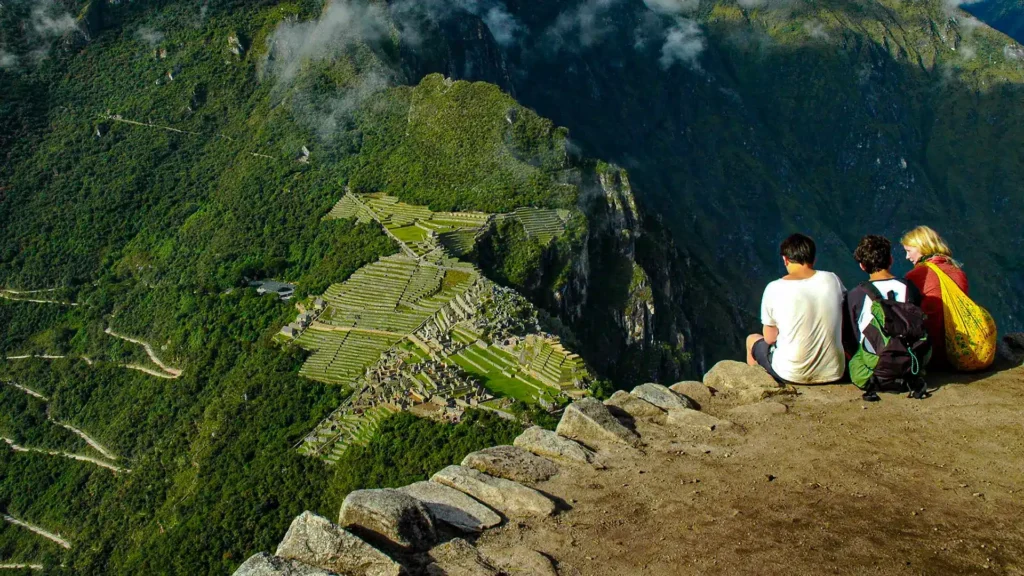
Huayna Picchu is the steep mountain visible behind the ruins in many classic photographs of Machu Picchu.
Its summit reaches approximately 2,720 meters (8,924 feet), around 290 meters higher than the archaeological site.
The elevation difference is not enormous compared with some Andean treks, but the hike itself involves steep terrain and a sustained climb.
Travelers specifically interested in combining the archaeological site with this ascent can review our 2-day Machu Picchu and Huayna Picchu hike.
Machu Picchu Mountain Elevation
Machu Picchu Mountain rises on the opposite side of the archaeological site and is considerably higher.
Its summit is commonly listed at approximately 3,082 meters (10,111 feet) above sea level.
That puts its summit:
- around 650 meters above the elevation of the citadel;
- higher than Huayna Picchu;
- but still lower than central Cusco.
The hike should therefore be considered separately from a standard visit to the archaeological site.
Which Is Higher: Machu Picchu, Huayna Picchu or Machu Picchu Mountain?
From highest to lowest:
- Machu Picchu Mountain: approx. 3,082 m / 10,111 ft
- Huayna Picchu: approx. 2,720 m / 8,924 ft
- Machu Picchu citadel: 2,430 m / 7,972 ft
The difference matters because a traveler who is comfortable walking around the archaeological site may not necessarily want to add a mountain hike.
Your Machu Picchu ticket and chosen route also determine which areas you can access, so decide whether you want a standard archaeological visit or an additional hike before booking.
Can You Get Altitude Sickness at Machu Picchu?
Yes, altitude sickness is possible at Machu Picchu, although the risk is generally more relevant at higher elevations such as Cusco or high mountain trekking routes.
The CDC states that unacclimatized travelers may be at risk from around 2,450 meters, sometimes even lower. Risk depends not only on elevation but also on how quickly you ascend and your individual susceptibility. Physical fitness does not reliably predict who will develop altitude illness.
Because Machu Picchu sits at 2,430 meters, it is very close to that threshold.
However, many visitors reach Machu Picchu after already spending time in Cusco or elsewhere in the Andes, which may give their bodies some time to adjust.
Common Signs of Altitude Sickness
Acute mountain sickness can include symptoms such as:
- headache;
- fatigue;
- dizziness;
- nausea;
- reduced appetite;
- and sometimes vomiting.
The CDC describes headache as the characteristic symptom of acute mountain sickness, generally appearing after a recent ascent and often accompanied by one or more of the symptoms above.
Symptoms can overlap with dehydration, exhaustion, lack of sleep, or other conditions, so travelers should avoid assuming that every headache in Cusco or Machu Picchu is automatically caused by altitude.
Why You May Feel Better in Machu Picchu Than in Cusco
Machu Picchu is approximately 965 meters lower than Cusco.
That difference can be meaningful because altitude-related stress generally increases as elevation rises.
A traveler arriving directly in Cusco from Lima or another low-elevation destination experiences a much larger change in altitude than someone moving from Cusco down toward Machu Picchu.
This is also why itinerary order matters when planning activities such as Rainbow Mountain, Humantay Lake, the Inca Trail or Salkantay, all of which can involve substantially higher elevations than the Machu Picchu archaeological site.
When Altitude Symptoms Need More Attention
Mild altitude symptoms should not be ignored if they become worse.
The CDC advises against continuing to ascend when symptoms of altitude illness are present. More serious neurological or respiratory symptoms require urgent attention and descent.
Travelers with existing medical conditions, previous problems at altitude, or concerns about their individual risk should discuss their itinerary with a qualified healthcare professional before traveling.
How to Acclimatize Before Visiting Machu Picchu
Acclimatization is the process through which your body gradually adapts to lower oxygen availability at higher elevations.
The most important factor is time.
The CDC explains that the acute acclimatization process develops mainly during the first 3–5 days after ascent, although some adaptation begins earlier. Gradual ascent is one of the main ways to reduce the risk of altitude illness.
Should You Acclimatize in Cusco or the Sacred Valley?
There is no single itinerary that is right for every traveler.
Cusco is around 3,395 meters above sea level, whereas places in the Sacred Valley such as Ollantaytambo are lower.
For that reason, some travelers prefer to spend their first nights at a lower elevation before adding activities at higher altitudes.
Others arrive in Cusco first because their flights and travel schedule make it the most practical starting point.
The important point is to recognize the elevation change and avoid filling your first hours at altitude with unnecessarily strenuous activity.
Practical Tips for Your First Days at Altitude
The CDC recommends several general precautions for travelers arriving at elevation:
- ascend gradually when possible;
- keep physical activity relatively light during the first couple of days;
- avoid excessive alcohol early in your stay;
- give your body time to adjust before pushing to higher sleeping elevations;
- and discuss preventive medication with a healthcare professional if your itinerary involves rapid ascent or you have specific risk factors.
Good physical fitness is useful for walking and hiking, but it does not make someone immune to altitude sickness.
How Elevation Changes on the Journey to Machu Picchu
The elevation of Machu Picchu is only one part of the journey.
How much altitude affects your trip also depends on how you reach Machu Picchu.
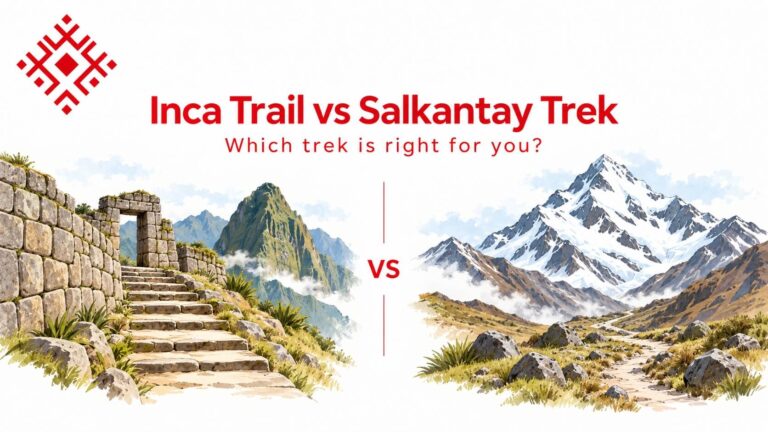
A train-based visit, the Inca Trail and the Salkantay Trek expose travelers to very different elevation profiles.
Traveling From Cusco to Machu Picchu by Train
For many visitors, the journey by train involves descending from the high Andes around Cusco and the Sacred Valley toward the warmer, lower terrain surrounding Machu Picchu.
Ollantaytambo is commonly used as a departure point, sitting at approximately 2,792 meters. Machu Picchu itself is lower at 2,430 meters.
For travelers whose priority is visiting the citadel rather than completing a multi-day trek, a train itinerary avoids the high mountain passes encountered on routes such as the Inca Trail and Salkantay.
Our Machu Picchu Full Day tour is designed around this type of visit from Cusco.
Elevation When Hiking the Inca Trail to Machu Picchu
The elevation profile changes completely if you reach Machu Picchu on foot via the classic Inca Trail.
The trail climbs much higher than the archaeological site before eventually descending toward Machu Picchu.
Its best-known high point is Dead Woman’s Pass, or Warmiwañusca, which sits well above 4,000 meters.
That means altitude preparation is considerably more important for an Inca Trail trek than for visiting Machu Picchu alone.
If hiking is part of your plan, compare the available Inca Trail tours separately from standard Machu Picchu visits.
Elevation on Other Treks to Machu Picchu
Alternative trekking routes can climb even higher.
The Salkantay route crosses high Andean terrain before descending toward the cloud forest and Machu Picchu region.
For this reason, someone researching the elevation at Machu Picchu because they plan to trek should look beyond the citadel’s 2,430-meter figure. The highest point of the trek may be much more important when considering acclimatization and physical preparation.
You can compare different itineraries in our Salkantay tours.
Does Machu Picchu’s Elevation Make the Visit Difficult?
Not necessarily.
Elevation and physical difficulty are related, but they are not the same thing.
A standard visit to Machu Picchu involves walking through an archaeological site built across sloping mountain terrain. Visitors should expect stone paths, stairs, inclines and uneven surfaces.
However, this is very different from climbing Huayna Picchu, hiking Machu Picchu Mountain or arriving through a multi-day trek.
A visitor can therefore find Machu Picchu physically demanding without suffering altitude sickness, or experience altitude symptoms even without completing a difficult hike.
Visiting the Citadel vs. Adding a Mountain Hike
Think of these as separate activities.
A standard Machu Picchu visit focuses on moving through the archaeological circuit assigned to your ticket.
Adding Huayna Picchu or Machu Picchu Mountain means combining the archaeological visit with a significant uphill hike.
If you are still deciding, consider:
- how much time you want to spend walking;
- how well you have acclimatized;
- your comfort with steep terrain;
- the elevation reached by the additional hike;
- and which ticket or circuit you have booked.
More is not automatically better. For many travelers, seeing the archaeological site itself is already the main experience.
Planning Your Machu Picchu Trip With the Elevation in Mind
The most useful thing to remember is simple:
Machu Picchu is 2,430 meters (7,972 feet) above sea level, but many places you may visit before or during the same trip are higher.
Cusco sits almost 1,000 meters above Machu Picchu. Huayna Picchu adds an uphill climb from the archaeological site. Machu Picchu Mountain rises above 3,000 meters, while trekking routes such as the Inca Trail and Salkantay reach considerably higher terrain.
So rather than worrying only about one number, look at the elevation profile of your complete itinerary.
Give yourself time to adapt when possible, avoid making your first hours at altitude unnecessarily demanding, and distinguish between visiting Machu Picchu itself and adding a high-altitude trek or mountain climb.
Peru Top Experience is a local tour operator based in Cusco that organizes Machu Picchu visits and trekking itineraries directly, allowing travelers to compare options according to available time, route and activity level.
Explore our Machu Picchu tours to find the itinerary that best matches the way you want to experience the site.