

The Inca Trail and Salkantay Trek can both be part of an unforgettable journey to Machu Picchu, but they offer very different trekking experiences.
The Inca Trail is usually the better choice if you are most interested in Inca history, archaeological sites and following an ancient route into Machu Picchu. The Salkantay Trek is better suited to travelers who prioritize high-mountain scenery, a more demanding Andean trekking experience and greater flexibility when choosing an itinerary.
Neither route is automatically better. The right choice depends on what you want to experience, your fitness level, your travel dates and how important the final approach to Machu Picchu is to you.
Inca Trail vs Salkantay Trek at a Glance
| Inca Trail | Salkantay Trek | |
|---|---|---|
| Best for | Inca history and archaeology | High-mountain scenery and adventure |
| Classic itinerary | 4 days | Commonly 4–5 days |
| Highest point | Dead Woman’s Pass | Salkantay Pass |
| Main experience | Ancient Inca paths, ruins and cloud forest | Snow-capped mountains, valleys and changing ecosystems |
| Archaeological focus | High | Lower than the Inca Trail |
| Machu Picchu approach | Trail continues toward Machu Picchu via Inti Punku | Usually reaches Aguas Calientes before visiting Machu Picchu |
| Permits | Strictly regulated | More flexible than the Inca Trail |
| Booking flexibility | Lower | Higher |
| Physical challenge | Challenging | Generally more demanding because of altitude and terrain |
The biggest difference is not simply distance or difficulty. It is the type of experience each trek is built around.
The Inca Trail combines trekking with archaeology throughout the journey. Salkantay places much more emphasis on the Andes themselves: high passes, glaciers, valleys and dramatic changes in landscape.
The Short Answer: Inca Trail or Salkantay Trek?
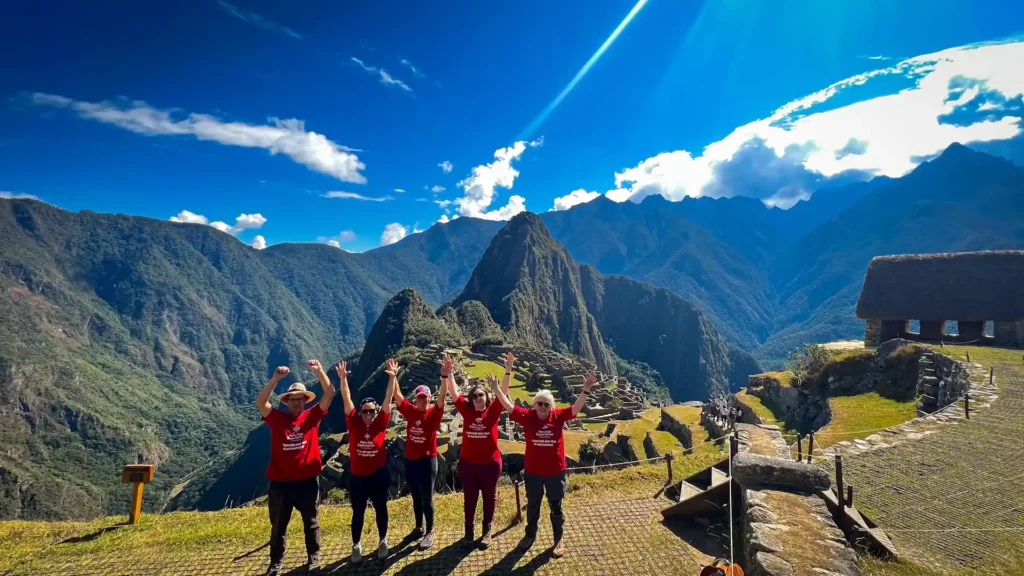
Choose the Inca Trail if…
Choose the Inca Trail if:
- Inca history is one of the main reasons you are visiting Peru.
- You want to encounter archaeological sites during the trek, rather than only at Machu Picchu.
- Walking part of the original Inca road network matters to you.
- You value the distinctive final approach toward Machu Picchu.
- You are able to organize your trek around regulated permit availability.
For many travelers, the Inca Trail is less about simply hiking to a destination and more about experiencing the historical route itself.
Choose the Salkantay Trek if…
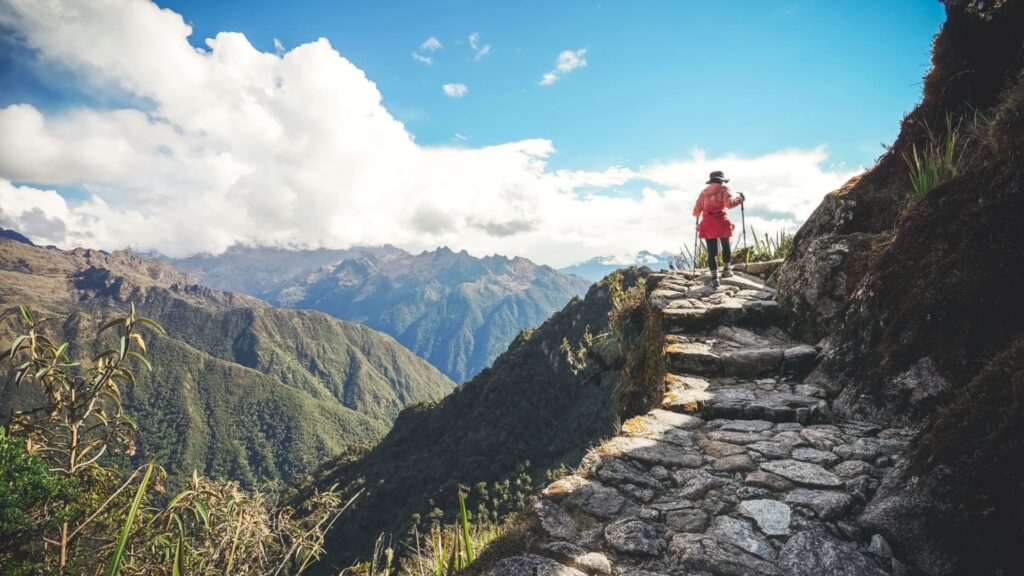
Choose the Salkantay Trek if:
- Mountain scenery is your main priority.
- You want to experience a high Andean pass.
- You enjoy physically demanding multi-day hikes.
- You prefer more itinerary and booking flexibility.
- Snow-capped peaks, alpine terrain and changing ecosystems appeal to you more than archaeological sites.
Salkantay is not simply an alternative for travelers who cannot get an Inca Trail permit. It is a major trek in its own right and offers a fundamentally different experience.

What Is the Main Difference Between the Inca Trail and Salkantay Trek?
The simplest way to understand the difference is this:
The Inca Trail is primarily a historical and archaeological trekking experience. Salkantay is primarily a high-mountain trekking experience.
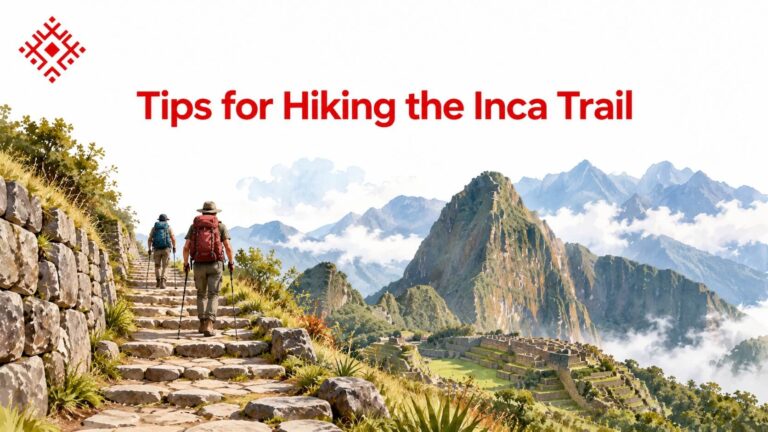
The Inca Trail follows part of the extensive road system developed by the Incas. As you hike, archaeological sites, stone paths, terraces and mountain landscapes become part of the same journey.
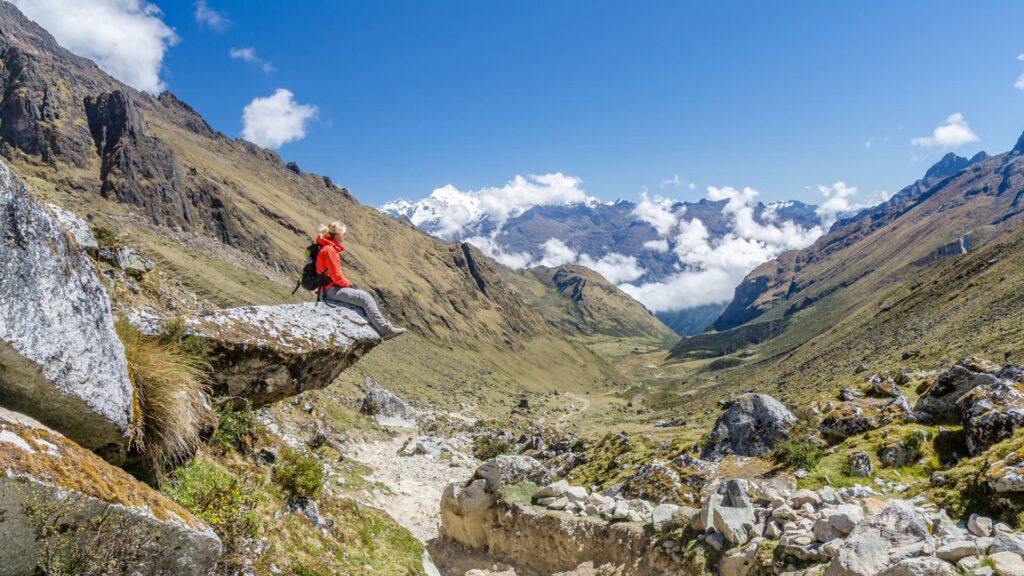
Salkantay has a different character. Its defining feature is the mountain environment around Salkantay, with a route that climbs into high-altitude terrain before descending through dramatically different ecological zones.
Both involve demanding hiking in the Andes. Both can be combined with a visit to Machu Picchu. What changes is what occupies the center of the experience.
Inca Trail vs Salkantay: Difficulty and Fitness Level
Neither trek should be treated as an easy walk. Multi-day hiking, elevation changes and altitude make physical preparation important for both.
Salkantay is generally the more demanding option, particularly because its high point is higher and some itineraries involve long days on varied terrain.
However, choosing between them should not be based on a simple label such as “moderate” or “hard.” Your previous hiking experience, acclimatization and ability to walk for several consecutive days matter just as much.
How Difficult Is the Inca Trail?
The Classic Inca Trail is challenging because hikers must deal with sustained ascents and descents, stone steps and several days of trekking at altitude.
Dead Woman’s Pass is the best-known physical challenge, but difficulty also comes from cumulative effort. A traveler who is comfortable walking for several hours on one day may still find consecutive trekking days demanding.
The Inca Trail therefore rewards preparation even if you regularly exercise at home.
How Difficult Is the Salkantay Trek?
Salkantay adds a more pronounced high-altitude mountain component.
On Peru Top Experience’s 4-day Salkantay Trek, the route reaches Salkantay Pass at approximately 4,600 meters / 15,091 feet. The itinerary includes a demanding ascent to the pass followed by a substantial descent as the environment changes.
The combination of altitude, long trekking days and varied terrain makes Salkantay a serious physical undertaking.
Which Trek Is Better for First-Time Multi-Day Hikers?
A first multi-day trek does not automatically rule out either route.
The more important questions are:
- How often do you hike?
- Are you comfortable with sustained uphill and downhill walking?
- Have you spent time at altitude before?
- Will you have enough time in Cusco to acclimatize?
- Are you prepared to walk for several consecutive days?
If high-altitude mountain trekking is the part that concerns you most, the Inca Trail may suit you better. If you actively want a more mountainous challenge, Salkantay is likely to be more appealing.
Altitude: Salkantay Pass vs Dead Woman’s Pass
Altitude is one of the clearest differences between the two treks.
The highest point of the Classic Inca Trail is Dead Woman’s Pass, while Salkantay itineraries typically climb higher at Salkantay Pass.
For travelers comparing the routes, the exact number matters less than the practical consequence: Salkantay exposes you to a higher mountain environment, which can make an already demanding trekking day feel significantly harder.
Altitude affects people differently. Being fit at sea level does not guarantee that you will feel comfortable at more than 4,000 meters.
Acclimatization Before Either Trek
Plan time at altitude before starting either route rather than arriving in Cusco and immediately beginning a strenuous trek.
Cusco itself sits at high elevation, so spending time there before your trek can help your body begin adjusting.
Use your first days intelligently: avoid treating acclimatization days as an opportunity to schedule the most strenuous activities possible. Your trek will be more enjoyable if you begin it rested and accustomed to the environment.
Scenery: Which Trek Has Better Views?
There is no objective winner because the landscapes are different.
Choose according to the scenery you actually want to walk through.
Inca Trail Scenery
The Inca Trail combines mountain views with cloud forest, stone paths and archaeological remains.
Its visual appeal comes partly from this interaction between natural and human history. You are not only looking across an Andean landscape; you are moving through a route shaped by the Inca civilization.
For travelers who enjoy historical landscapes, that combination is difficult to replicate.
Salkantay Trek Scenery
Salkantay puts the mountains at center stage.
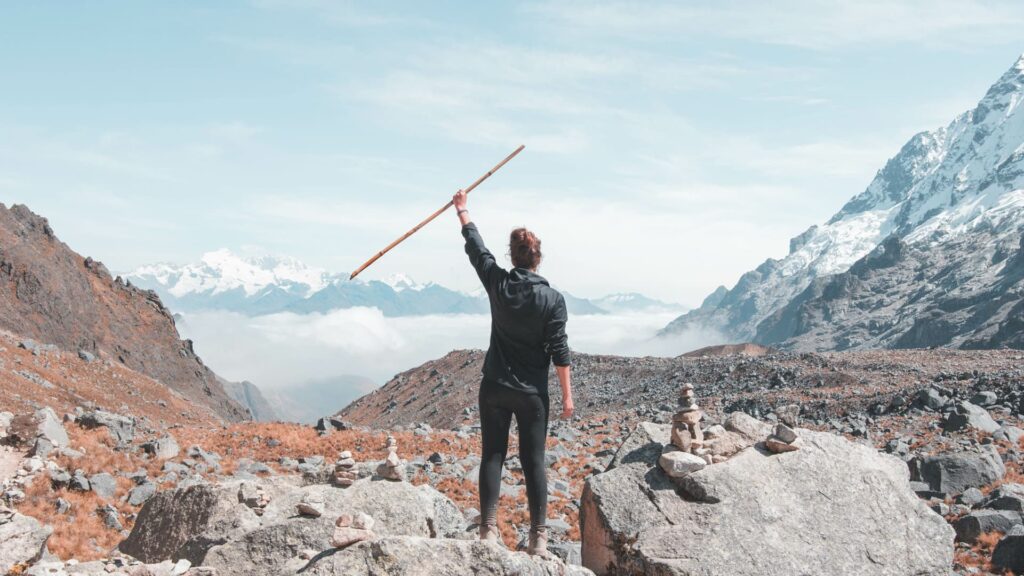
The route includes views of snow-covered peaks and high-altitude terrain before descending toward greener and warmer environments.
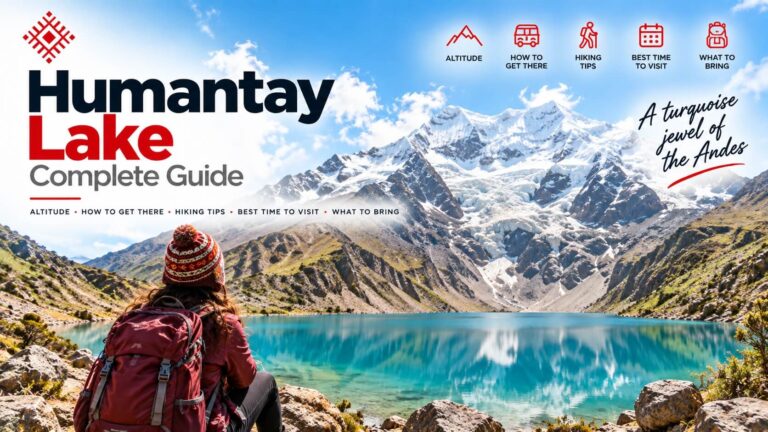
Depending on the itinerary, travelers can also visit Humantay Lake. Peru Top Experience’s 4- and 5-day itineraries include Humantay Lake before continuing toward Salkantay Pass.
This variation is one of Salkantay’s strongest attractions: the trek can feel markedly different from one day to the next.
Which Should You Choose for Scenery?
Choose the Inca Trail if the idea of combining Andean scenery with ancient paths and archaeological sites is what excites you.
Choose Salkantay if your ideal trek means snow-capped mountains, a high pass and more dramatic alpine landscapes.
For pure high-mountain scenery, Salkantay has the stronger case.
For scenery intertwined with Inca history, the Inca Trail has the advantage.
History and Archaeological Sites
This is where the difference becomes much clearer.
The Inca Trail is not merely a modern trekking route that happens to finish near Machu Picchu. Its archaeological sites and surviving sections of Inca road are integral to the experience.
Archaeological Sites on the Inca Trail
The trek passes through archaeological areas before travelers reach Machu Picchu.
That means the historical experience develops over several days rather than beginning only when you arrive at the famous citadel.
Sites, terraces, stonework and the road itself provide context for understanding how people moved through this mountainous landscape during the Inca period.
If archaeology is a major motivation for your trip to Peru, the Inca Trail has a decisive advantage over Salkantay.
What Cultural Experience Does Salkantay Offer?
Salkantay should not be judged as a lesser version of the Inca Trail simply because archaeology is not its main focus.
Its strength is different.
The journey moves through the Andean landscape around Salkantay and through settlements and environments that form part of the modern geography of the region. The cultural component therefore feels different from following the archaeological corridor of the Inca Trail.
If you want archaeology throughout the hike, choose the Inca Trail.
If the trek itself is primarily about mountains and landscapes for you, Salkantay may be the stronger fit.
Reaching Machu Picchu: The Biggest Experience Difference
Both treks can form part of a journey to Machu Picchu, but they do not normally approach the citadel in the same way.
For some travelers, this difference alone determines which trek they choose.
Arriving via the Inca Trail and Sun Gate
One of the defining characteristics of the Inca Trail is that the historical trail itself leads toward Machu Picchu through Inti Punku, the Sun Gate.
The approach gives the trek a sense of continuity: Machu Picchu is the culmination of the route you have been following rather than a separate excursion added after the trekking portion.
If entering the Machu Picchu area as part of the trail is central to how you imagine the experience, this is one of the strongest reasons to choose the Inca Trail.
Arriving at Machu Picchu After the Salkantay Trek
The Salkantay experience works differently.
On Peru Top Experience’s 4-day route, hikers descend toward Santa Teresa and Hidroeléctrica before continuing to Aguas Calientes. Machu Picchu is then visited from Aguas Calientes on the final day.
The 5-day Salkantay Trek follows a similarly distinct trekking-and-Machu-Picchu sequence, with additional time along the route.
This does not make the experience inferior. It simply creates a different finale.
Does the Machu Picchu Arrival Matter to You?
Ask yourself what you want the final day to feel like.
If you have always imagined walking the Inca Trail toward Machu Picchu itself, choose the Inca Trail.
If Machu Picchu is an important conclusion to a broader high-mountain trek rather than the defining feature of the hiking route, Salkantay remains an excellent choice.
Permits, Availability and How Far Ahead to Book
Permits are one of the biggest practical differences between the Inca Trail and Salkantay.
Inca Trail Permits
Access to the Inca Trail is regulated, and travelers cannot simply arrive at the trailhead and begin hiking independently.
Entry is controlled and the route must be organized through an authorized travel operator. Availability therefore becomes a major part of planning.
Peru Top Experience operates locally from Cusco and is an authorized Inca Trail operator, so travelers considering the route can check available Inca Trail tours directly with the team.
Because availability varies by date, it is better to check the actual permit situation for your travel period than rely on a generic rule such as “book exactly X months ahead.”
Salkantay Trek Availability
Salkantay generally offers greater flexibility.
It does not operate under the same Inca Trail permit system, making it easier to consider different departure dates and itinerary lengths.
Peru Top Experience currently offers several Salkantay trekking options, including 3-, 4- and 5-day itineraries.
Greater flexibility, however, does not mean that every service connected with the trek is unlimited. Machu Picchu admission and other travel arrangements still need to be coordinated for the dates of your trip.
What if Inca Trail Permits Are Sold Out?
Salkantay is one of the strongest alternatives if the Inca Trail is unavailable for your dates, but it should not be treated only as a substitute.
Choose it because its mountain landscapes and trekking style appeal to you.
If Inca history and the traditional trail approach are essential to your trip, another option is to change your travel dates rather than book Salkantay expecting an identical experience.
Inca Trail vs Salkantay Trek Cost: What Actually Changes the Price?
There is no useful universal answer to “which trek is cheaper?” without comparing what each specific tour includes.
Prices can differ according to itinerary length, transportation, accommodation, support services, entrance arrangements and other inclusions.
For that reason, compare the complete trip rather than only the headline price.
Compare What Is Included, Not Just the Headline Price
Before choosing, check whether each tour price includes the services you actually need, such as:
- transportation before and after the trek;
- guide services;
- meals during the hiking portion;
- camping or other accommodation;
- Machu Picchu arrangements;
- return transportation to Cusco;
- equipment and support services specified by the operator.
Two tours with different prices may not be selling the same experience.
If price is an important part of your decision, compare the exact inclusions of the Inca Trail and Salkantay options you are considering before deciding which offers better value for your trip.
Best Time of Year for the Inca Trail and Salkantay Trek
Weather conditions in the Cusco region change significantly throughout the year, so season matters whichever trek you choose.
The drier months are popular for trekking because rain is generally less disruptive, while the rainy season can mean wetter trails, clouds and changing mountain conditions.
That does not mean every day in the dry season is dry or every rainy-season day has continuous rain. Conditions in the Andes can change quickly.
Dry Season vs Rainy Season

For most travelers, the trade-off is straightforward:
Drier periods generally offer more favorable trekking conditions but also coincide with popular travel periods.
Rainier periods can bring greener landscapes but require greater preparation for wet conditions.
Packing and expectations should reflect your month of travel rather than a generic image of what the Andes will look like.
Important Seasonal Differences Between the Two Routes
One crucial difference is that the Inca Trail network closes during February for annual conservation and maintenance work.
In 2026, authorities carried out maintenance throughout February and officially reopened the network on March 1.
This makes February fundamentally different when comparing the routes. If your Peru itinerary cannot move outside that period, you will need to consider alternatives rather than planning the Classic Inca Trail.
Inca Trail or Salkantay? Choose Based on Your Travel Style
Still undecided? Stop comparing individual specifications and think about which experience sounds more like your trip.
Choose the Inca Trail for History and Archaeology
The Inca Trail is the stronger choice if archaeological sites and Inca engineering are central to why you want to trek in Peru.
The history is not a side attraction. It accompanies the journey.
Choose Salkantay for High-Mountain Scenery
Salkantay is the stronger choice if your dream trek involves snow-capped peaks, high-altitude landscapes and crossing a major mountain pass.
For travelers primarily motivated by the physical and natural experience of trekking through the Andes, this is its biggest advantage.
Choose the Inca Trail for the Classic Machu Picchu Approach
If the way you arrive matters almost as much as Machu Picchu itself, the Inca Trail stands apart.
Following the historical trail toward Inti Punku creates a direct relationship between the trek and the final destination.
Choose Salkantay for Greater Booking Flexibility
If your itinerary is less predictable or your preferred Inca Trail dates are unavailable, Salkantay gives you more room to work with.
It also offers multiple itinerary lengths, allowing you to choose a version that better matches the amount of time you have in Peru.
Choose Based on Your Fitness and Altitude Experience
Do not choose Salkantay simply because you like its photographs.
And do not choose the Inca Trail simply because it is famous.
Think about how comfortable you are with altitude, long hiking days and consecutive days on the trail. The best trek is one that challenges you without turning the entire trip into an endurance test you did not want.
Can You Combine the Salkantay Trek and Inca Trail?
Yes. Travelers who do not want to choose between the two styles of trekking can consider an itinerary that combines them.
Peru Top Experience offers a 7-day Salkantay and Inca Trail to Machu Picchu.
This type of itinerary is particularly interesting if you have enough time and want both sides of the experience: the dramatic mountain environment associated with Salkantay and sections of the historical Inca Trail experience before reaching Machu Picchu.
It is not the shortcut between the two choices. At seven days, it is a longer trekking commitment and should be selected because you genuinely want a more extensive adventure.
Inca Trail vs Salkantay Trek: Final Verdict
There is no universal winner in the Inca Trail vs Salkantay Trek comparison.
Choose the Inca Trail if your priorities are Inca history, archaeological sites and the distinctive trail approach toward Machu Picchu.
Choose Salkantay if your priorities are high-mountain scenery, a more adventurous trekking environment and greater flexibility when planning your route.
If both experiences appeal to you and you have enough time, a combined Salkantay and Inca Trail itinerary can remove the need to choose between them.
Peru Top Experience is a local Cusco tour operator offering both Inca Trail tours and Salkantay treks. Because the two routes serve different types of traveler, the best starting point is not asking which trek is more famous, but which experience you want your journey to Machu Picchu to be built around.