
Machu Picchu is located in southern Peru, in the Cusco Region of the Andes Mountains. The archaeological site sits high above the Urubamba River, near the town of Aguas Calientes, also known as Machu Picchu Pueblo.
More specifically, Machu Picchu is in Urubamba Province in the Cusco Region, northwest of the city of Cusco. It stands at approximately 2,430 meters (7,970 feet) above sea level, in a tropical mountain environment where the Andes meet the upper Amazon basin.
One point often causes confusion: Machu Picchu is not in Cusco city. Cusco is the main city travelers use as a gateway to the archaeological site, but reaching Machu Picchu requires continuing farther into the mountains.
For most international visitors, the route can be understood like this:
Lima → Cusco → Sacred Valley/Ollantaytambo → Aguas Calientes → Machu Picchu
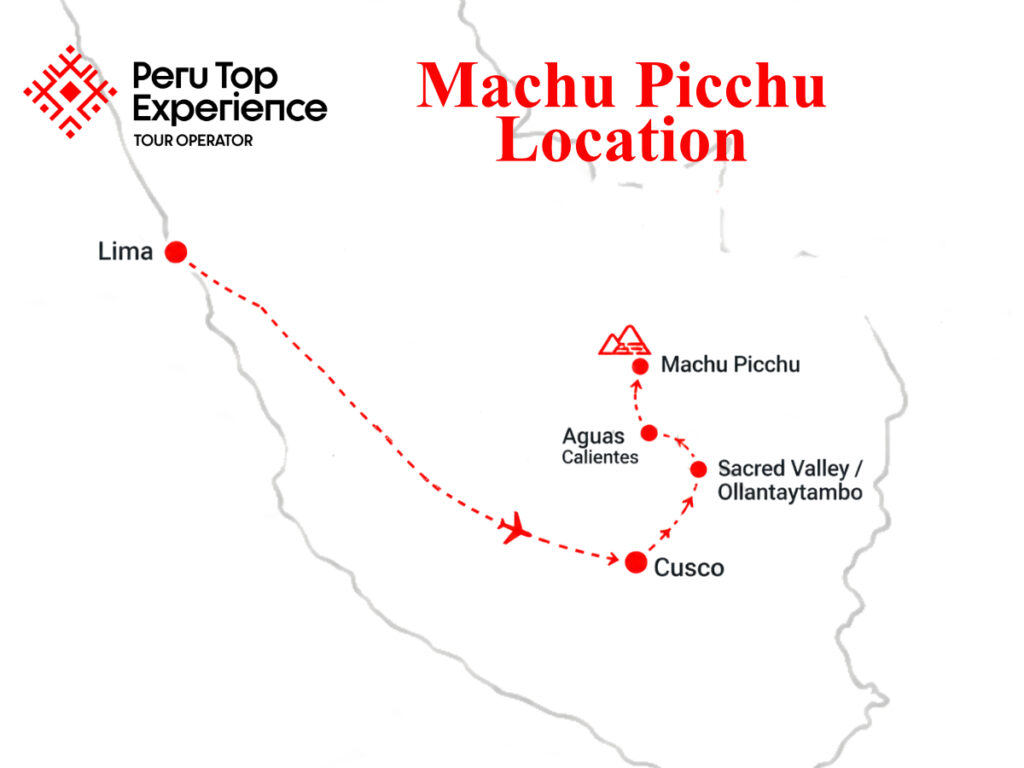
Understanding this geography makes it much easier to plan transportation, accommodations, and the amount of time you need for your visit.
Where Exactly Is Machu Picchu Located?
Machu Picchu is in Peru, South America, on the eastern slopes of the Andes.
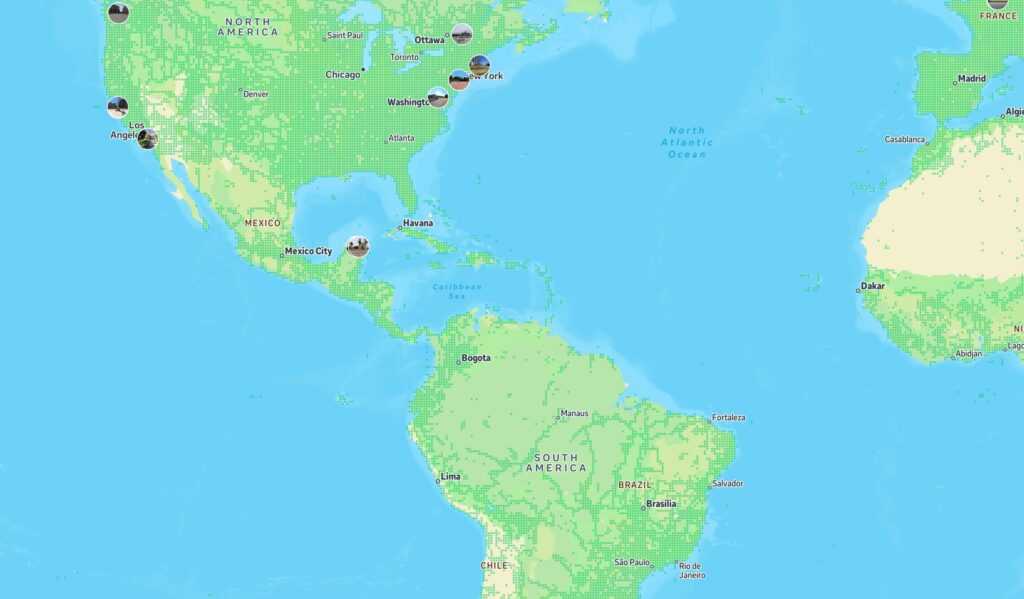
Administratively, it belongs to the Cusco Region and Urubamba Province. Geographically, it occupies a mountain ridge surrounded by steep green peaks and the valley of the Urubamba River.
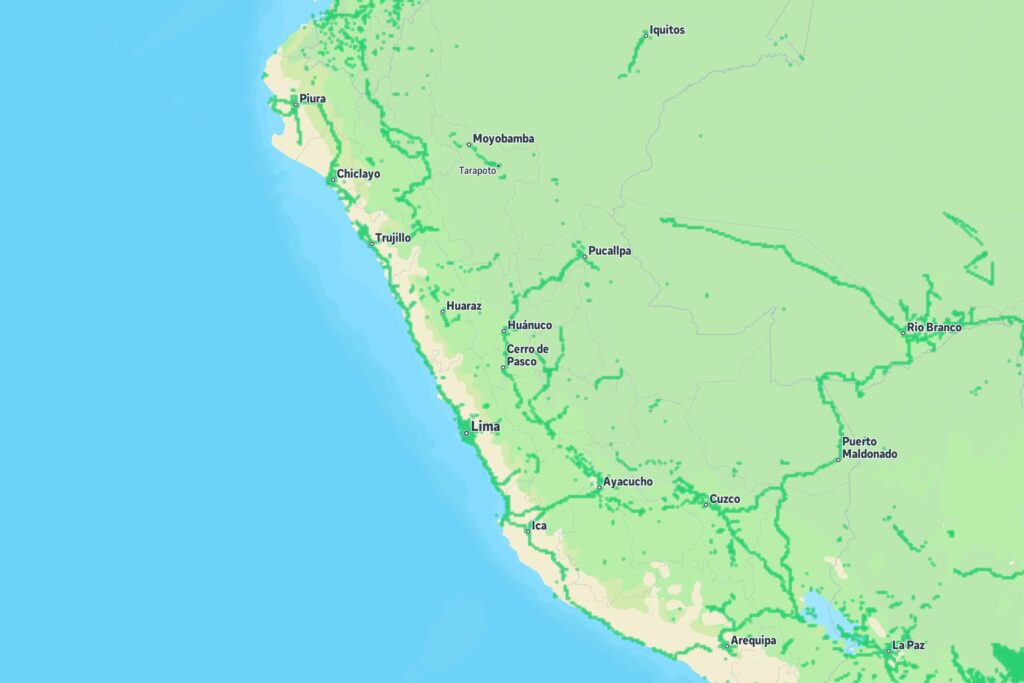
UNESCO describes the Historic Sanctuary of Machu Picchu as being located where the Peruvian Andes meet the upper Amazon basin, which helps explain its unusually lush landscape compared with the drier high-altitude scenery many travelers see around Cusco.
What Country Is Machu Picchu In?
Machu Picchu is in Peru.
Peru is located on the western side of South America, with a Pacific coastline and a large section of the Andes running through the country.
International travelers often arrive in Peru through Lima, the capital, before continuing to Cusco. Machu Picchu itself, however, is hundreds of miles inland from Lima in the mountainous Cusco Region.
Is Machu Picchu in Cusco?
Yes, but there is an important distinction.
Machu Picchu is in the Cusco Region, but it is not located in the city of Cusco.
Cusco city is the main tourism hub for the region and the starting point for many journeys to Machu Picchu. From Cusco, travelers normally continue through the Sacred Valley toward Ollantaytambo and Aguas Calientes before reaching the archaeological site.
This is why tours are often described as departing “from Cusco” even though Machu Picchu itself is not within the city.
If Machu Picchu is the main reason for your trip, you can see the different travel options on our Machu Picchu tours page.
Is Machu Picchu in Lima?
No. Machu Picchu is not in Lima.
Lima is Peru’s capital and its main international air gateway. Machu Picchu is located in the Cusco Region, much farther southeast and inland in the Andes.
For many visitors from the United States, the journey therefore involves traveling to Peru, connecting from Lima to Cusco, and then continuing overland and by train toward Machu Picchu.
There is no airport at Machu Picchu itself.
Where Is Machu Picchu on a Map?
On a map of Peru, Machu Picchu is located northwest of Cusco city, within the mountainous Urubamba area.
A useful way to visualize the main places involved is:
Cusco → Sacred Valley → Ollantaytambo → Aguas Calientes → Machu Picchu
Cusco is the major city and travel hub. Ollantaytambo is an important town and railway departure point in the Sacred Valley. Aguas Calientes is the settlement immediately below Machu Picchu and the final train stop for most visitors.
Machu Picchu itself sits above the valley rather than inside Aguas Calientes.
Machu Picchu Coordinates
The UNESCO-listed Historic Sanctuary of Machu Picchu is located at approximately 13.185° S, 72.533° W.
Coordinates are useful for pinpointing Machu Picchu on a world map, but they do not fully show how mountainous the surrounding terrain is. Two places that look relatively close on a map can require significantly more travel time because of the Andes.
What Is the Closest Town to Machu Picchu?
The closest town is Aguas Calientes, officially known as Machu Picchu Pueblo.
It sits in the valley below the archaeological site and serves as the final staging point for most travelers.
Trains from the Sacred Valley arrive in Aguas Calientes. From there, visitors continue uphill toward the Machu Picchu entrance, usually by shuttle bus or on foot.
Aguas Calientes also has hotels, restaurants, stores, and other services, which makes it possible to stay overnight before visiting the ruins.
For travelers who prefer more time around Machu Picchu instead of returning to Cusco on the same day, a 2-day, 1-night Machu Picchu tour includes an overnight format rather than trying to fit the entire experience into a single day.
What Is the Closest Major City to Machu Picchu?
Cusco is the closest major tourism city and the main gateway to Machu Picchu.
It has the transportation infrastructure, accommodations, restaurants, tour services, and connections that most international visitors use before traveling to the archaeological site.
Aguas Calientes is much closer geographically, but it is a small tourism town rather than a major city.
This distinction matters when planning your trip: you will usually organize the broader journey around Cusco, while Aguas Calientes functions as the immediate access point to Machu Picchu.
How Far Is Machu Picchu From Cusco?
Machu Picchu is relatively close to Cusco when viewed on a map, but the journey takes longer than the straight-line distance might suggest.
The reason is geography.
The two places are separated by mountainous terrain, valleys and the Urubamba River corridor, and there is no direct road that simply takes travelers from central Cusco to the entrance of Machu Picchu.
Instead, the most common route involves traveling from Cusco into the Sacred Valley, continuing toward a railway station such as Ollantaytambo, taking a train to Aguas Calientes and then ascending to the archaeological site.
That makes travel time more useful than straight-line distance when organizing a Machu Picchu itinerary.
Why You Cannot Simply Drive From Cusco to Machu Picchu
There is no conventional road all the way to the Machu Picchu entrance from Cusco.
For most visitors, transportation therefore combines road travel with rail.
A typical journey involves:
- Traveling from Cusco toward the Sacred Valley.
- Reaching a train departure point, commonly Ollantaytambo.
- Taking the train toward Aguas Calientes.
- Continuing from Aguas Calientes to the archaeological site.
There are alternative overland routes involving the Hidroeléctrica area and a final walk, but they involve a very different journey from the standard train-based option.
Travelers who want the straightforward train-based experience can see the itinerary for our Machu Picchu Full Day tour from Cusco.
How High Is Machu Picchu?
Machu Picchu stands at approximately 2,430 meters, or about 7,970 feet, above sea level.
That is high enough for visitors to be aware of altitude, but one surprising fact is that Machu Picchu is lower than Cusco city.
Its elevation and position on the eastern slopes of the Andes also help create a landscape very different from the high plateau around Cusco. The archaeological site is surrounded by steep forested mountains and vegetation associated with tropical mountain forest.
Is Machu Picchu Higher Than Cusco?
No. Cusco is higher than Machu Picchu.
This surprises many visitors because Machu Picchu appears to sit dramatically on top of the mountains.
The difference comes from the surrounding geography. Machu Picchu lies on a mountain ridge above the Urubamba River valley, while Cusco itself is located on a higher Andean plateau.
In practical terms, travelers often experience their highest major-city elevation in Cusco before descending toward the Sacred Valley and Machu Picchu.
What Is the Geography Around Machu Picchu Like?
Machu Picchu is surrounded by steep Andean mountains, deep river valleys and tropical mountain forest.
This geography is an important part of what makes the site visually distinctive.
The Historic Sanctuary lies on the eastern slopes of the Andes, close to the transition between the high mountains and the Amazon basin. UNESCO classifies Machu Picchu as a mixed World Heritage property because of both its cultural significance and its exceptional natural setting.
The setting also explains why accessing Machu Picchu is different from visiting an archaeological site that sits next to a major city or highway.
Machu Picchu, Huayna Picchu and Machu Picchu Mountain
Three names can easily cause confusion when planning a visit:
Machu Picchu is the archaeological complex most travelers have come to see.
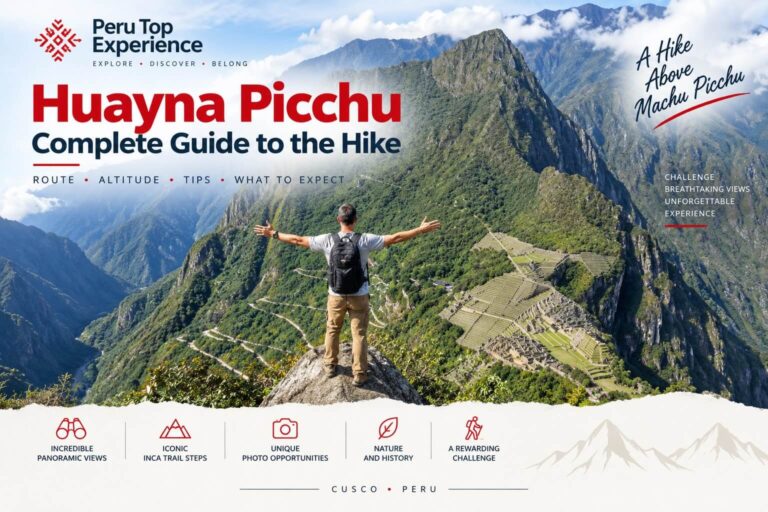
Huayna Picchu, also written Wayna Picchu, is the steep mountain seen rising behind the archaeological site in many classic photographs.
Machu Picchu Mountain is another mountain that visitors can hike.
They are separate places, even though their names appear together frequently when choosing routes and entrance options.
So if you see a ticket or itinerary mentioning Huayna Picchu or Machu Picchu Mountain, it does not simply mean admission to the main archaeological site. The specific route and access included should always be checked when planning the visit.
The Urubamba River and the Cloud Forest
The Urubamba River curves through the deep valley below Machu Picchu.
The ruins sit high above this river corridor, surrounded by steep peaks covered in vegetation.
Machu Picchu’s location on the eastern slopes of the Andes places it within a transition zone toward the upper Amazon basin. UNESCO describes the site as being surrounded by tropical mountain forest, helping explain the dense greenery visitors associate with Machu Picchu.
This environment is one of the clearest geographic differences between Machu Picchu and Cusco.
How Do You Get to Machu Picchu?
For most visitors, you get to Machu Picchu by first reaching Cusco and then continuing toward Aguas Calientes by a combination of road and train.
There is no commercial airport at Machu Picchu and no standard road that reaches the archaeological entrance directly from Cusco.
The exact journey depends on whether you travel by train, use an alternative overland route, or hike to Machu Picchu.
Step 1: Get to Cusco
Cusco is the principal gateway for a visit to Machu Picchu.
Most international travelers first reach Peru through Lima and then continue to Cusco. Once in Cusco, they can organize the next part of the journey toward the Sacred Valley and Machu Picchu.
Cusco is also a logical base if your itinerary includes other attractions such as the Sacred Valley, Maras and Moray, or additional destinations around the region.
Step 2: Travel Through the Sacred Valley
From Cusco, many Machu Picchu journeys continue through the Sacred Valley of the Incas.
Ollantaytambo is particularly important because it is both a historic Andean town and one of the main railway departure points used by travelers heading toward Aguas Calientes.
The Sacred Valley is therefore not just another attraction near Cusco. It forms part of the actual geography and transportation corridor connecting many visitors with Machu Picchu.
Step 3: Take the Train to Aguas Calientes
For visitors who are not hiking to Machu Picchu, the train is the most familiar way of completing the journey through the Urubamba Valley.
The railway follows the mountainous river corridor toward Aguas Calientes, where passengers get off before continuing to the archaeological site.
This is why you will often see trips to Machu Picchu described as train tours even though other forms of transportation are also required before and after the railway portion.
Step 4: Aguas Calientes to the Machu Picchu Entrance
Aguas Calientes lies below the archaeological site.
After arriving in town, travelers still need to ascend the mountain to reach the entrance to Machu Picchu.
The usual options are a shuttle bus or walking uphill. The bus is the more practical choice for many visitors because it preserves energy for exploring the archaeological site itself.
This final section is relatively short compared with the journey from Cusco, but it is an important part of understanding where Machu Picchu actually sits: the ruins are above the town, not beside the train station.
Can You Hike to Machu Picchu Instead?
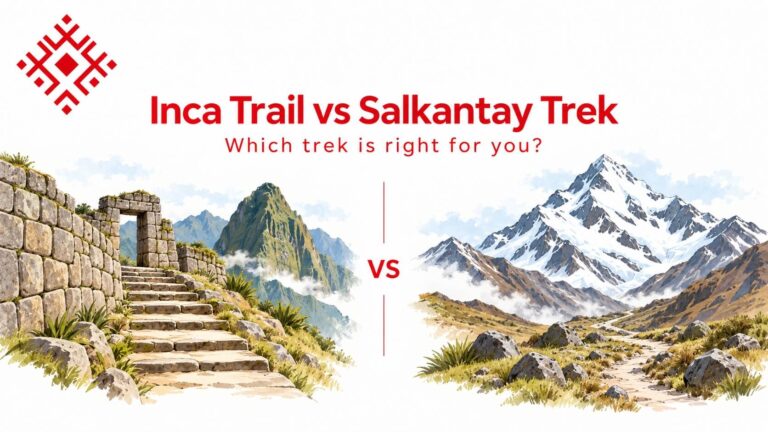
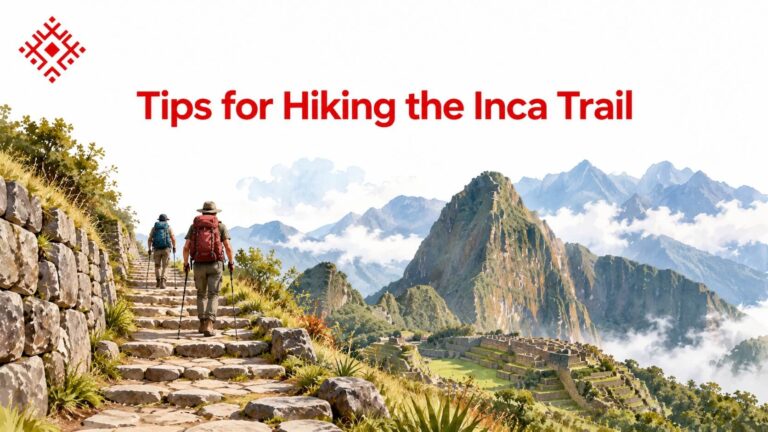
Yes. Machu Picchu can also be reached as part of a trekking experience.
The best-known option is the Inca Trail, an ancient route through the Andes that approaches Machu Picchu on foot rather than arriving through Aguas Calientes in the same way as a standard train journey.
Other multi-day trekking routes in the Cusco region can also be combined with a visit to Machu Picchu, although their routes and final approach differ.
Travelers specifically interested in reaching the site through the classic route can explore our Inca Trail tours.
Where Should You Stay When Visiting Machu Picchu?
The best place to stay depends on how you want to organize your visit.
The three most practical bases are Cusco, the Sacred Valley or Ollantaytambo, and Aguas Calientes. Each serves a different purpose.
Cusco
Cusco is the best-known base for exploring the region and works particularly well for travelers who want to combine Machu Picchu with other experiences.
Staying in Cusco gives you easy access to city attractions and transportation toward the Sacred Valley. Many one-day Machu Picchu itineraries also begin and end here.
The trade-off is distance: visiting Machu Picchu from Cusco in a single day requires an early start and several transportation stages.
Sacred Valley or Ollantaytambo
Staying in the Sacred Valley can put you closer to the railway route toward Machu Picchu.
Ollantaytambo is especially convenient because trains depart from the town toward Aguas Calientes.
This can make sense for travelers who are already exploring the Sacred Valley or who prefer to break up the journey rather than traveling all the way from Cusco and back in one day.
Aguas Calientes
Aguas Calientes is the closest place to stay before entering Machu Picchu.
Spending the night here allows you to separate the train journey from the archaeological visit and eliminates the need to return to Cusco immediately after arriving in town.
This can be useful if you prefer a slower itinerary or want your Machu Picchu visit spread across two days.
Our 2-day Machu Picchu tour with an overnight stay follows this type of itinerary.
The Simplest Way to Understand Machu Picchu’s Location
If all the geography feels complicated, remember this sequence:
Machu Picchu is in Peru → in the Cusco Region → northwest of Cusco city → above the Urubamba River → near Aguas Calientes.
Or, from a traveler’s perspective:
Fly or travel to Cusco → cross the Sacred Valley → take the train toward Aguas Calientes → go up the mountain to Machu Picchu.
Machu Picchu’s remote setting is part of what makes the journey unusual. It is not a monument on the outskirts of Cusco and it cannot simply be reached by driving up to its entrance.
For most first-time visitors, Cusco is the gateway, Aguas Calientes is the closest town, and Machu Picchu is the archaeological site high above it.
Peru Top Experience is a local tour operator based in Cusco, and we organize different ways to visit Machu Picchu depending on how much time you have and the type of journey you prefer. You can compare the available options on our Machu Picchu tours page.