

Yes, many travelers visit Peru safely, but traveling responsibly means understanding the risks and taking some extra precautions. Peru’s major tourist destinations, including Cusco and Machu Picchu, remain open to visitors, while official travel advisories recommend increased caution and identify specific parts of the country where higher risks apply.
As of August 30, 2026, the U.S. Department of State lists Peru as Level 2: Exercise Increased Caution, mainly because of crime, civil unrest and kidnapping risks. The governments of Canada and Australia currently advise travelers to exercise a high degree of caution.
These warnings do not mean that every part of Peru presents the same level of risk. Conditions vary considerably between destinations, and some of the areas covered by stronger warnings are far from the main tourist routes.
If you are planning a trip to Peru, the most useful approach is to understand where you are going, the risks relevant to that itinerary and how to reduce them.
Is Peru Safe to Visit Right Now?
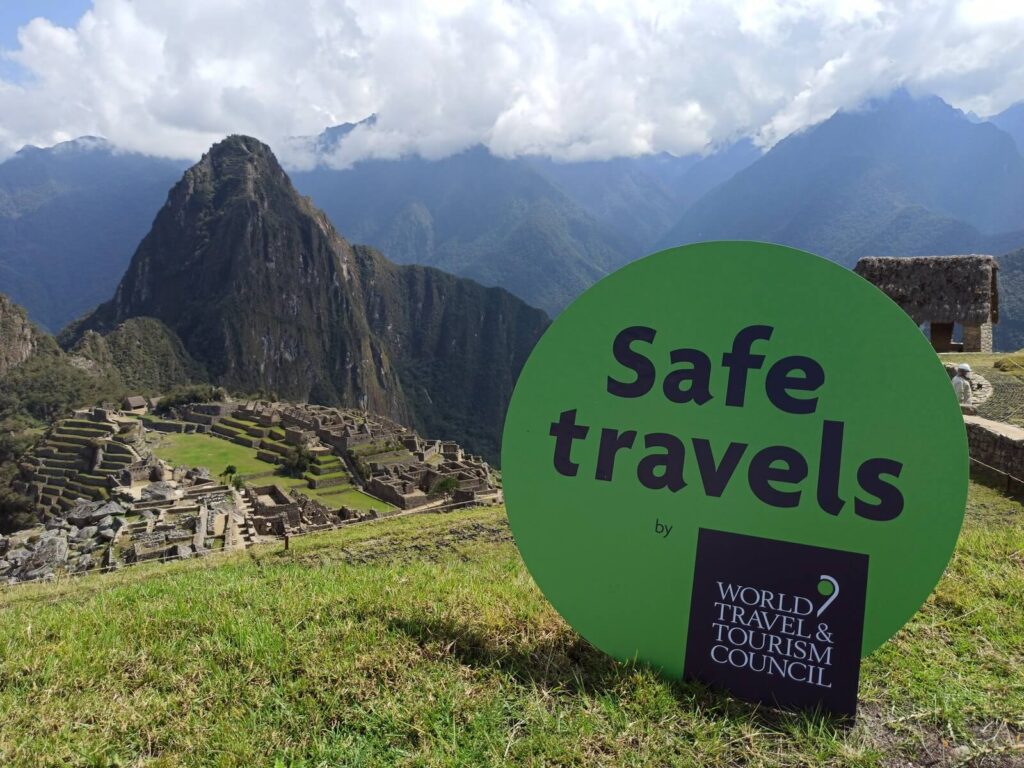
Peru remains a major international travel destination, and popular places such as Lima, Cusco, the Sacred Valley and Machu Picchu continue to receive visitors.
However, travelers should not interpret this as meaning that Peru is risk-free.
The main concerns identified by government travel advisories include crime, political demonstrations, transportation disruptions and higher-risk regions that most tourists do not normally visit. Conditions can also change, so travelers should check official advice again shortly before departure.
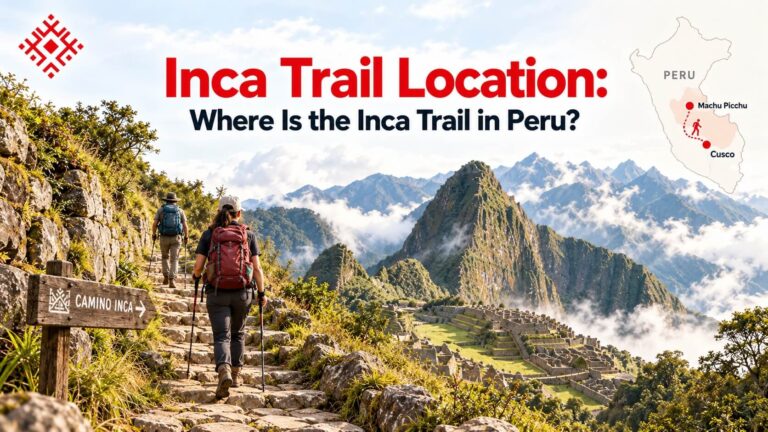
If Machu Picchu is the focus of your trip, it is useful to plan transportation and tickets well in advance. Our guide to Machu Picchu tours explains the different ways the site can be included in a trip from Cusco.
What Current Travel Advisories Say About Peru
Travel advisories use different rating systems, so their wording should be read in context.
The U.S. Department of State currently classifies Peru as Level 2, meaning travelers should exercise increased caution. It also advises against travel to specific higher-risk areas, including the Colombia–Peru border area in the Loreto Region.
The Government of Canada advises travelers to exercise a high degree of caution in Peru and applies stronger recommendations to certain regions.
Australia’s Smartraveller also advises a high degree of caution overall due to violent crime and recommends reconsidering travel to specified areas, including the VRAEM and certain border regions. Its advice, updated August 20, 2026, also notes an ongoing state of emergency in Lima and Callao and an increased security presence.
Before traveling, check the latest information directly from:
- U.S. Department of State — Peru Travel Advisory
- Government of Canada — Peru Travel Advice
- Australian Government Smartraveller — Peru
Travelers from other countries should also check the advice issued by their own government.
What “Exercise Increased Caution” Actually Means for Tourists
An advisory to “exercise increased caution” is not the same as a recommendation not to visit the country.
It means that travelers should be more aware of specific risks than they might be at home, prepare accordingly and pay attention to local developments.
In practical terms, that includes:
- knowing which regions have stronger travel warnings;
- using reliable transportation;
- being careful with phones, cash and valuables in crowded areas;
- avoiding protests and demonstrations;
- monitoring transportation disruptions;
- checking official information as the travel date approaches.
The important distinction is between Peru’s national advisory level and warnings for specific regions. A warning affecting a border area or remote region should not automatically be interpreted as applying equally to Cusco, Machu Picchu or every other tourist destination.
Which Parts of Peru Are Safe for Tourists?
Most first-time international visitors follow well-established tourist routes through destinations such as Lima, Cusco, the Sacred Valley, Machu Picchu, Arequipa, Puno or Ica.
Safety conditions are not identical in each place, so it is more useful to look at individual destinations than to ask whether the entire country is either “safe” or “unsafe.”
Is Lima Safe?
Lima can be visited by international travelers, but additional awareness is important, particularly when moving around a large unfamiliar city.
The Government of Canada warns about crime in Peru and specifically advises travelers to remain vigilant in major urban areas. Australian advice also notes that a state of emergency remains in effect in Lima and Callao as of August 2026.
Practical precautions include keeping phones and valuables discreet, arranging reliable transportation, avoiding isolated areas at night and checking local conditions before moving around the city.
If Lima forms part of a wider itinerary, you can explore our Lima tours and travel options when planning how the capital fits into your route.
Is Cusco Safe?
Cusco is one of Peru’s main tourism centers and the starting point for many trips to the Sacred Valley, Machu Picchu and the Andes.
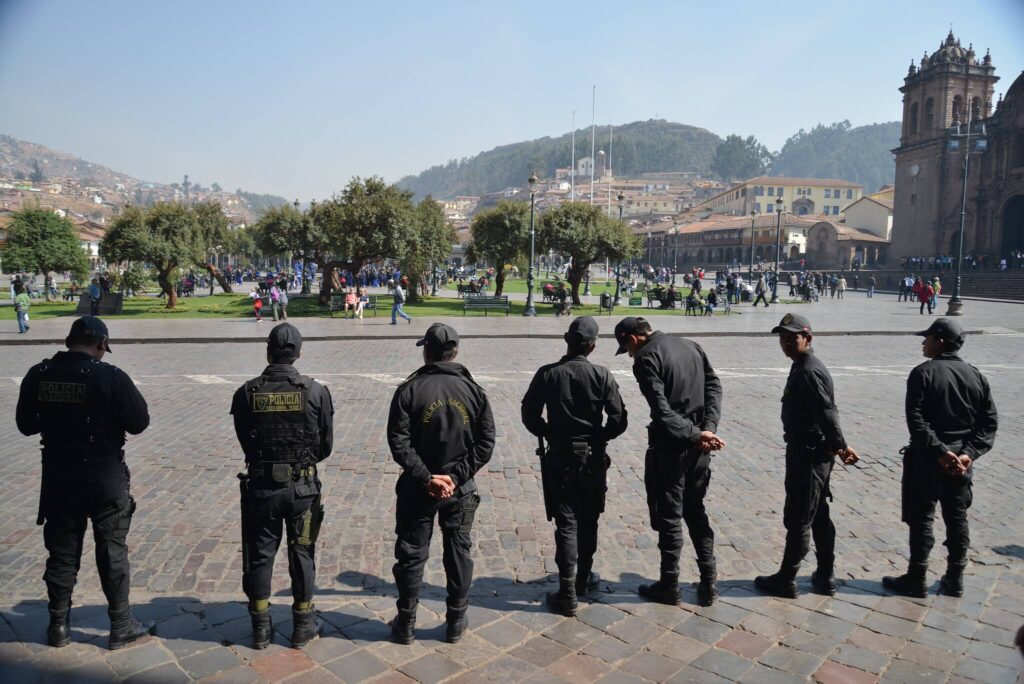
Visitors should nevertheless take normal urban precautions, especially in crowded streets, markets, transport areas and nightlife districts. Keep valuables secure, avoid carrying unnecessary cash and arrange transportation carefully when traveling late at night.
Altitude is another important consideration in Cusco. For many visitors, acclimatization and physical preparation are just as relevant to a comfortable trip as crime prevention.
Peru Top Experience is based in Cusco and operates tours directly from the city, including the Cusco City Tour and trips throughout the surrounding region.
Is Machu Picchu Safe?
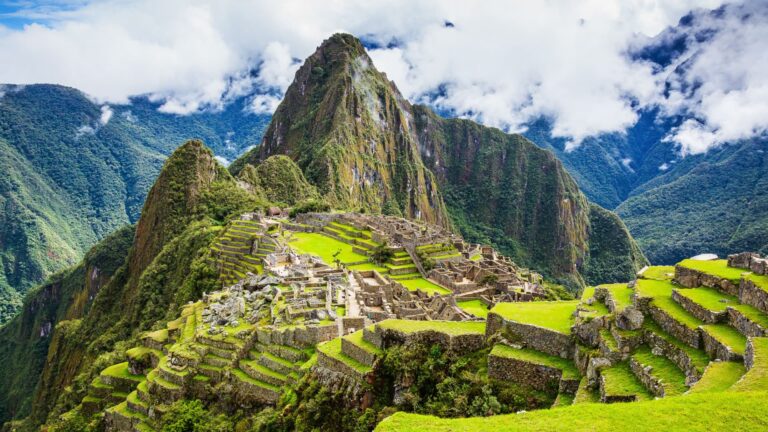
Machu Picchu is an established tourist destination with controlled entry and organized transport routes. For most visitors, the main safety considerations are less about serious crime inside the archaeological site and more about transportation, weather, altitude, walking conditions and possible travel disruptions.
Political demonstrations and strikes elsewhere in Peru have occasionally interrupted public transportation, including services connected with Machu Picchu. Australian government advice specifically notes this possibility.
For that reason, travelers should monitor conditions around their travel dates and allow some flexibility when possible.
Travelers who prefer to organize the journey from Cusco as one coordinated service can review the Machu Picchu Full Day tour.
What Areas of Peru Should Travelers Avoid?
Some official warnings concern regions that are not part of standard tourist itineraries.
The U.S. Department of State advises travelers not to visit specified higher-risk areas, including the Colombia–Peru border area in Loreto. Australia applies stronger advice to the Valley of the Apurímac, Ene and Mantaro Rivers (VRAEM), the area within 20 kilometers of the Colombian border and certain areas near Ecuador.
Because advisories can change, travelers should not rely on an old blog post to determine whether a particular region is currently recommended.
Use the official government maps and regional explanations when planning an itinerary outside the main tourist corridors.
What Are the Main Safety Risks When Traveling in Peru?
For most tourists, understanding a few practical risks is more useful than treating the country as one single risk category.
Pickpocketing, Theft and Robbery
Petty theft is one of the most relevant risks for tourists, particularly in crowded urban environments and transport areas.
Phones are especially easy targets because travelers frequently use them for maps, photographs and transportation apps.
Useful precautions include:
- avoid displaying large amounts of cash;
- keep your phone secure when you are not using it;
- do not leave bags hanging unattended from chairs;
- keep passports and important documents in a secure location when they are not required;
- use ATMs in appropriate locations rather than isolated streets;
- stay aware of your surroundings in crowded areas.
Canadian and Australian government advice both identify crime as an important concern for travelers in Peru.
Protests, Strikes and Travel Disruptions
Political demonstrations, strikes and roadblocks occur periodically in Peru.
Even when travelers are not directly threatened, these events can affect buses, roads, trains, airport access and scheduled tours. That can be particularly important on tightly scheduled itineraries involving Cusco and Machu Picchu.
Do not attempt to cross a demonstration or roadblock. Follow instructions from local authorities and monitor reliable local and government information if disruption occurs.
The Australian government notes that previous demonstrations have disrupted transportation, including services to and from Machu Picchu.
Taxi, Bus and Road Safety
Transportation choices can significantly affect travel safety.
When arriving at an airport or bus terminal, avoid accepting an unsolicited ride simply because someone approaches you first. Use transportation arranged through your hotel, tour operator or another service you have deliberately chosen and can identify.
For long-distance journeys, consider how the operator, route and departure time fit into your itinerary rather than selecting transport on price alone.
If you are traveling as part of an organized itinerary, confirm in advance who is actually providing each transfer and how you will identify them on arrival.
Scams and Unlicensed Tour Operators
Choosing a tour company is also a safety decision.
Before paying for excursions, transportation or multi-day treks, verify that you are dealing with an identifiable business and understand who will actually operate the service.
Check:
- the company’s official website and contact details;
- whether the company can clearly explain what is included;
- the identity of the operator providing the service;
- payment and cancellation conditions;
- where and when you will be collected;
- what support is available if plans change.
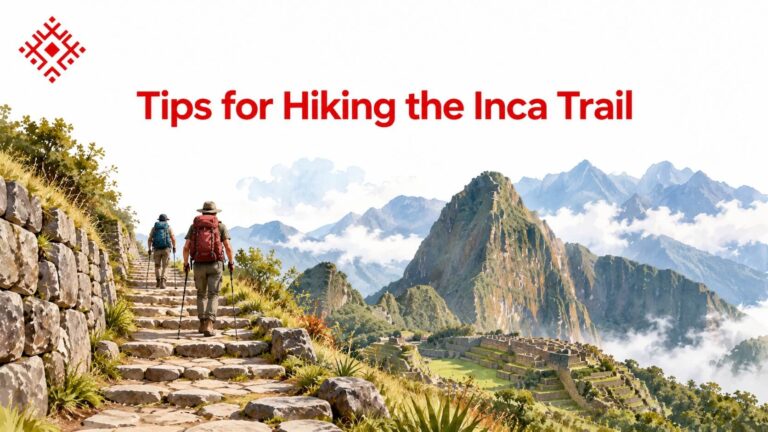
This is particularly important for more complex activities such as the Inca Trail, where access is regulated and permits are limited. Travelers considering this route can review our Inca Trail tours before comparing options.
Peru Top Experience operates as a local tour operator based in Cusco rather than simply presenting itself as an anonymous booking intermediary. For travelers, knowing who is responsible for the operation provides a clearer point of contact before and during the trip.
Health and Altitude Safety in Peru
Travel safety in Peru is not only about crime.
Depending on the itinerary, altitude, food and water, physical exertion, weather and regional health risks can be equally important.
Altitude Sickness in Cusco and the Andes
Cusco and many popular destinations in the Peruvian Andes are located at elevations where visitors arriving from sea level may feel the effects of altitude.
Symptoms and tolerance vary from person to person, so avoid assuming that previous fitness guarantees an easy adjustment.
Build acclimatization time into the itinerary, avoid overexertion immediately after arrival and seek medical attention if concerning symptoms develop.
The U.S. CDC specifically notes that popular destinations in Peru, including Machu Picchu, involve high altitude and recommends that travelers discuss prevention and treatment of altitude sickness with a medical professional.
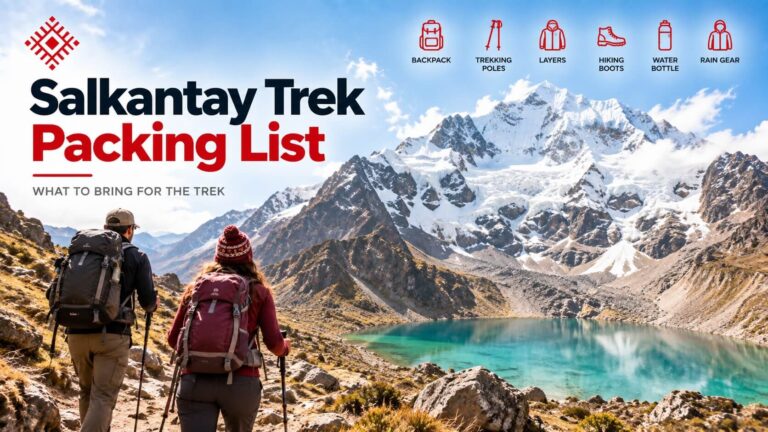
This is especially relevant before demanding hikes such as the Salkantay Trek.
Food and Water Safety
Changes in diet, food handling and water quality can cause illness during international travel.
Basic precautions include choosing food from reputable establishments, washing your hands regularly and being more careful with untreated water when traveling or trekking in rural areas.
Health risks can vary by region and activity, so advice for an Andean itinerary may differ from advice for visiting the Amazon.
Vaccinations and Travel Health Advice
There is no single vaccination recommendation that applies equally to every Peru itinerary.
Health advice depends on factors such as the regions visited, elevation, trip duration, planned activities and the individual traveler’s medical circumstances.
For example, current U.S. CDC guidance distinguishes between highland tourist areas such as Cusco and Machu Picchu and lower-elevation areas east of the Andes when discussing diseases such as malaria and yellow fever.
Consult an appropriate medical professional before traveling if you have questions about vaccines, medications or altitude.
Is Peru Safe for Solo Travelers?
Solo travelers visit Peru regularly, but traveling alone changes how you should manage certain risks.
There is no companion automatically noticing when something goes wrong, watching luggage while you deal with a ticket office or sharing responsibility for transportation decisions.
Good habits become more important:
- share your itinerary with someone you trust;
- keep accommodation and transportation details accessible offline;
- avoid arriving somewhere unfamiliar late at night when possible;
- use identifiable transportation;
- keep your phone charged;
- tell someone where you are going before an independent hike or excursion;
- choose organized activities when the logistics or terrain make traveling alone unnecessarily difficult.
Safety Tips for Solo Female Travelers
Women traveling alone should follow the same basic precautions while paying additional attention to transportation, nightlife and situations where they may become isolated.
Avoid giving unnecessary personal information to strangers, be cautious about accepting drinks or rides from people you have just met and use transportation you can identify or that has been arranged through a trusted provider.
When joining excursions, knowing the operator, meeting point, expected return time and emergency contact before departure can make the experience easier to manage.
How to Stay Safe While Traveling in Peru
Preparation cannot eliminate every risk, but it can reduce avoidable problems.
Before You Travel
Before leaving home:
- check your government’s latest Peru travel advisory;
- review regional warnings for every part of your itinerary;
- confirm passport and entry requirements;
- consider appropriate travel insurance;
- save emergency and consular contacts;
- keep digital copies of important travel documents;
- review transportation between destinations;
- confirm tours through identifiable operators;
- share your itinerary with someone you trust.
Government guidance can change after you book, so check it again shortly before departure rather than relying only on information you read months earlier.
While You Are in Peru
Once in Peru:
- keep valuables discreet;
- stay alert in crowded locations;
- avoid demonstrations;
- monitor local news when disruptions occur;
- arrange reliable transportation;
- keep essential documents secure;
- respect instructions from authorities and site personnel;
- adjust outdoor plans when weather or health conditions make continuing unsafe.
The goal is not to spend your vacation worrying. It is to establish a few reliable habits so you can concentrate on the experience itself.
When Booking Tours and Transportation
For organized travel, clarity matters.
Before booking, you should know what company you are dealing with, what the service includes, who operates it and whom you can contact if plans change.
This becomes increasingly important when several elements have to work together — for example, hotel pickup, train transportation, entrance tickets and a guided Machu Picchu visit.
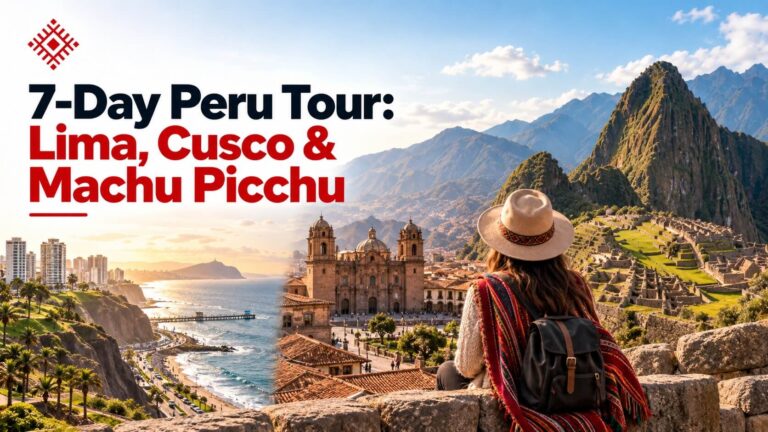
Peru Top Experience is a Cusco-based local operator offering tours and itineraries across Peru. For travelers who want several destinations organized as one trip, options such as the 7-day Peru tour covering Lima, Cusco and Machu Picchu can reduce the number of separate transportation and tour arrangements that need to be coordinated.
What to Do If Something Goes Wrong in Peru
Having a plan before an emergency is considerably easier than looking for basic information after something has happened.
If you experience theft, a medical emergency or a major transportation disruption, prioritize your immediate safety first and contact the appropriate local service.
Emergency Numbers and Tourist Assistance
Current Australian government travel information lists these emergency numbers for Peru:
- Police: 105
- Fire and rescue: 116
- Medical emergencies: 117
Save them before traveling rather than depending on internet access during an emergency.
If a passport, bank card or phone is stolen, also contact the relevant institution as soon as practical.
Contacting Your Embassy or Consulate
Your embassy or consulate can be an important point of contact for serious problems such as a lost or stolen passport, detention or certain emergencies.
Consular assistance has limits, however. An embassy does not replace travel insurance, local police, hospitals or your transport provider.
Before your trip, find the official contact information for your own country’s embassy or consulate in Peru and save it somewhere accessible without your phone.
So, Should You Travel to Peru?
For many international visitors, yes — Peru can still be a viable destination when the trip is planned with appropriate precautions.
But the useful answer is not simply “Peru is safe.”
Risk varies depending on the region, current political and security conditions, transportation choices, planned activities and the traveler’s own behavior. Government advisories currently recommend increased or high caution, and some specific parts of the country are subject to stronger warnings.
If you are visiting the established tourism circuit around Cusco, the Sacred Valley and Machu Picchu, concentrate on reliable transportation, secure belongings, acclimatization, monitoring local conditions and booking identifiable service providers.
Most importantly, check official travel advice again immediately before your departure, because conditions can change after an article like this is published.
If you are planning your route and want local help coordinating transportation, tours and Machu Picchu logistics, explore our Machu Picchu tours or contact the Peru Top Experience team in Cusco to discuss your itinerary.
Last reviewed: August 30, 2026. Travel and security conditions can change. This guide provides general travel information and does not replace the advice of your government, local authorities or a qualified medical professional.