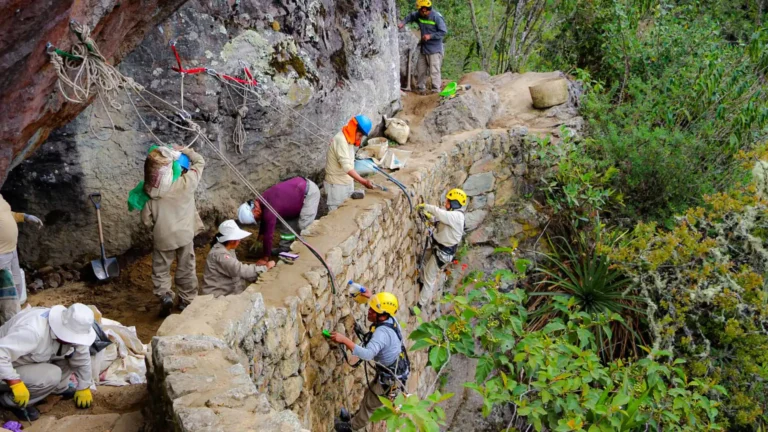


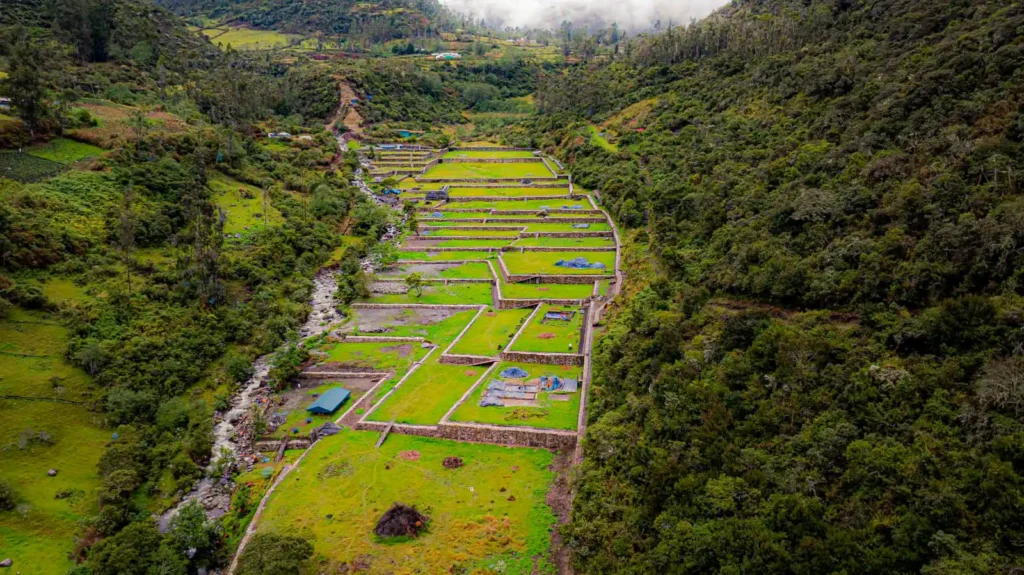
CUSCO, PERU — The Decentralized Directorate of Culture (DDC) of Cusco is pressing forward with the recovery works at the Yuraq Rumi – Ñusta Hispana archaeological complex, a major Inca site tucked away in the district of Vilcabamba, La Convención province. The project has crossed the 72% milestone in physical progress, backed by a public investment exceeding 18.2 million Peruvian soles. Barring unexpected delays, crews expect to finish everything by December 2027.
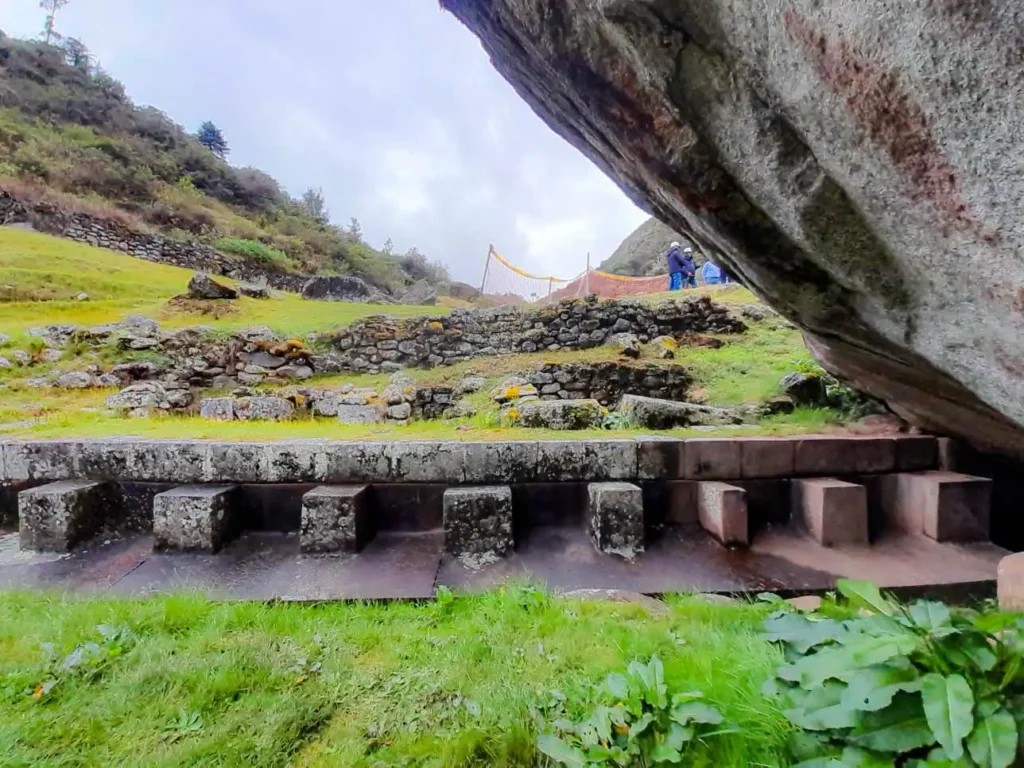
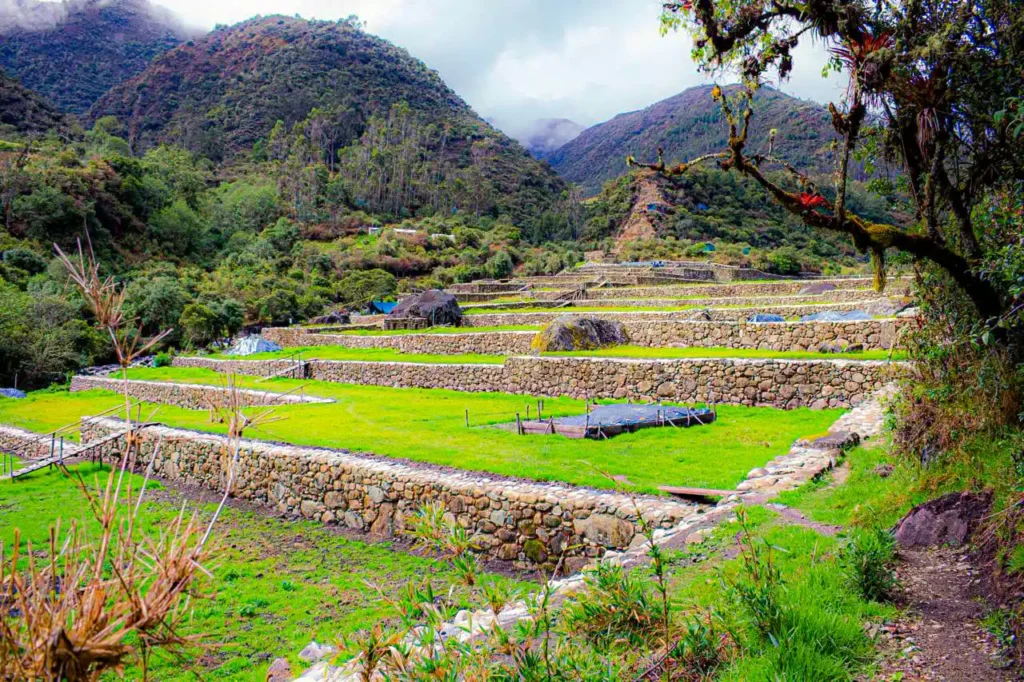
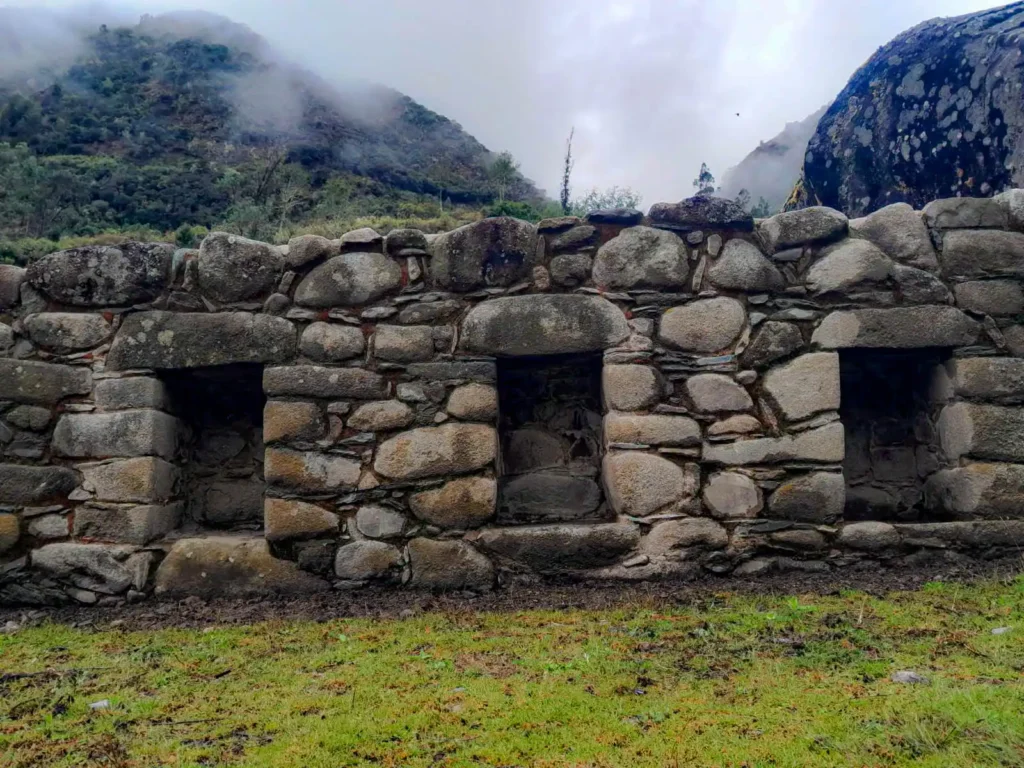
So far, the most visible achievement has been the restoration of 21 agricultural terraces built from white granite. These structures didn’t just serve as a high-yield farming system powered by pre-Hispanic engineering; they remain a core piece of Inca architectural heritage that specialists are working hard to preserve for future generations.
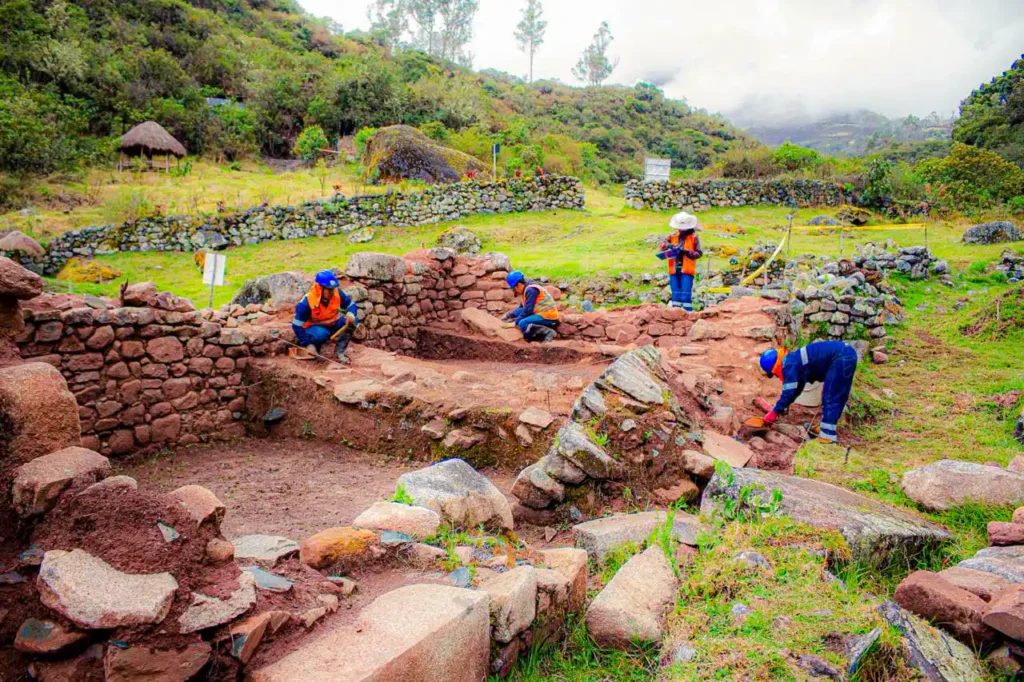
The overhaul aims to restore cultural interpretation services across Sectors I and II of the monument, where field operations first got underway back in October 2022.
Focusing on the Main Sacred Rock and the 2023 Discoveries
With the terrace slopes fully stabilized, conservation teams are shifting their focus toward Sector I. This area holds the site’s central huaca (sacred rock), which features intricate carvings directly on bedrock, rectangular stone enclosures, open plazas, a ceremonial water fountain, and drainage channels.
The historical weight of the site became even clearer during preliminary excavations. In May 2023, archaeologists unearthed a rare collection of 38 Inca metal artifacts in remarkable condition. The find included ceremonial drinking cups, arm bracelets, knives, chest beads, a headband, and a sacred headdress. These pieces have offered valuable clues about the ritual and social life of those who once lived in this part of Vilcabamba, cementing the need for ongoing research and preservation.
River Defenses and Community Engagement
Because the ruins sit right alongside the Pachaq River, the technical team is constructing a heavy-duty retaining wall. This protective structure will shield the lower terraces during the rainy season, preventing floodwaters from eroding or undermining the ancient stonework.
Alongside the physical construction, the DDC Cusco is running outreach workshops and guided site visits for nearby farming communities, local schools, residents, and authorities in Vilcabamba. The idea is simple: help locals connect with their history so they can take an active role in protecting their own heritage.
Boosting Cultural Tourism Beyond the Standard Trails
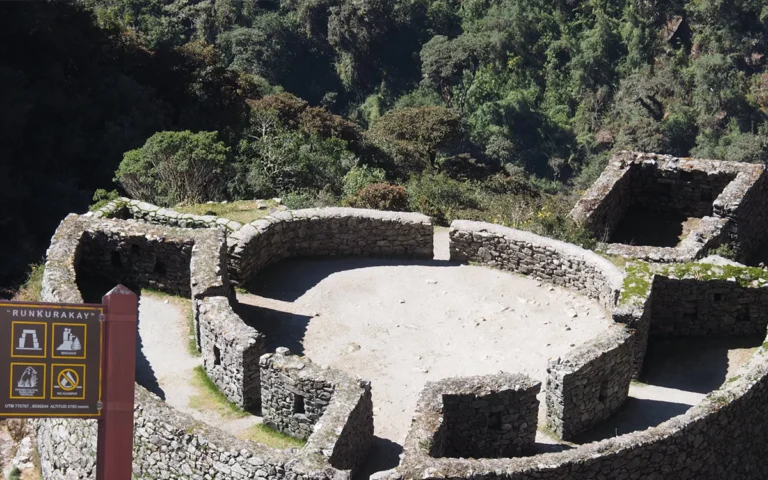
Restoring Yuraq Rumi – Ñusta Hispana helps put Vilcabamba back on the map—a region famous for being the last stronghold of Inca resistance against Spanish forces. The site links up naturally with other nearby ruins like Vitcos (Rosaspata) and Espíritu Pampa, giving visitors a fuller picture of the Incas’ final chapter in La Convención.
Fixing up these monuments opens a clear door to decentralize tourism in Cusco, giving travelers compelling alternatives to the crowded traditional routes. It also sets the stage for sustainable historical and nature tours, provided visitor numbers are managed carefully to protect the ruins.
With over two-thirds of the work done and key phases still ahead, the effort at Yuraq Rumi aims to bring back the original luster of one of Vilcabamba’s most impressive Inca landmarks.