

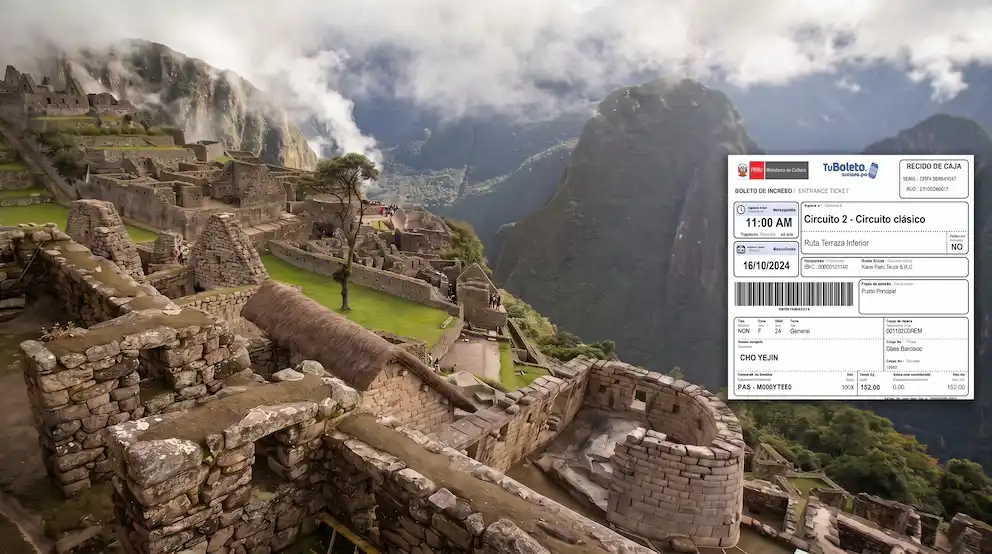
LIMA, PERU — Culture Minister Alberto Beingolea said that changes implemented in the ticket sales system for the Historic Sanctuary of Machu Picchu have helped release tickets that had previously been blocked through reservations, making it easier for visitors to access the official sales platform.
During an interview with Radio Programas del Perú (RPP), the minister said that tickets are still available for the coming months. According to Beingolea, at the time of his statements there were more than 1,000 tickets available for October, around 29,000 for November, and more than 60,000 for December.
Beingolea explained that, until a few weeks ago, availability was considerably lower because some tickets were being held through reservations and could later be purchased for resale.
“What we have done is unlock them,” the minister explained.
New System Eliminates Ticket Reservations
One of the main changes introduced by the Ministry of Culture is the modification of the ticket sales regulations, eliminating the option to reserve tickets without completing the purchase.
According to Beingolea, visitors must now complete the purchase directly through the corresponding platform by entering their personal information and making the payment.
“You can no longer reserve. Therefore, you have to buy. Just as in any other case, you enter, provide your national ID number, your name, and pay,” he said.
The minister also confirmed that visitors can still purchase tickets in person in Machupicchu Pueblo, in addition to using the digital platform.
In-Person Ticket Sales Continue in Machupicchu Pueblo
According to Beingolea, the in-person process has also undergone changes. The minister said that there are currently five ticket windows available and that, based on reports received by the ministry, the process is running more smoothly.
The implementation of the new procedure is currently in a “soft launch” phase, during which authorities are monitoring how the system operates and gathering information on ticket sales.
This phase will continue through October 22, allowing the Ministry of Culture to evaluate the results of the changes introduced to the system.
The minister said that eliminating reservations has made it easier to find available tickets through the digital platform. In this context, he stated that “the issue of the mafias is over,” referring to reservation and resale practices that, according to his explanation, had affected ticket availability.
New Technology for Archaeological Research at Machu Picchu
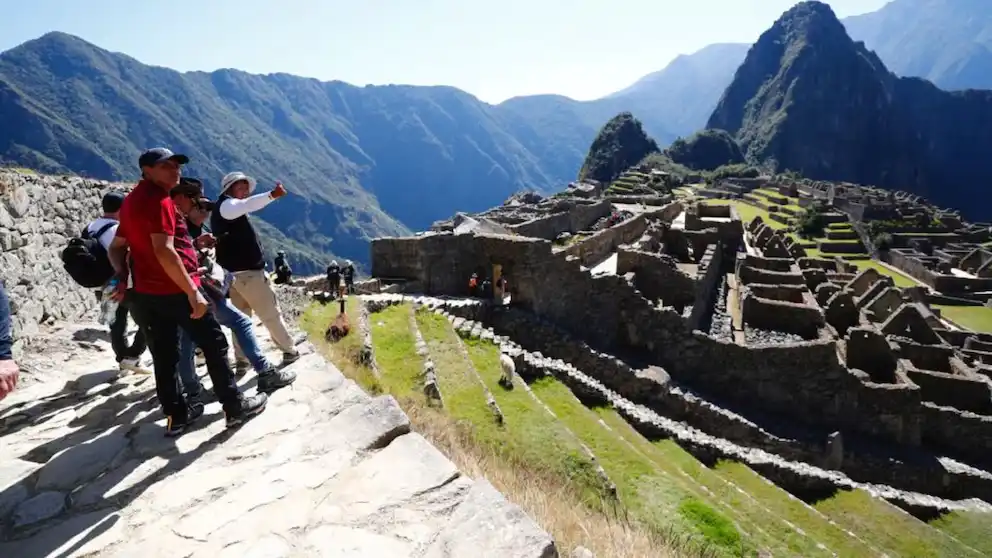
Beingolea also announced that he will soon visit the Historic Sanctuary of Machu Picchu, where he will participate in the launch of a pilot program focused on the Inca citadel.
The initiative is supported by the Japan International Cooperation Agency (JICA), which is collaborating on the implementation of specialized technology to strengthen archaeological work at the site.
The goal is to incorporate new technological tools that can support research, conservation, and the management of Machu Picchu’s archaeological heritage.
National Archaeology Congress to Take Place in Chachapoyas
During the interview, the Culture Minister also announced that the third edition of the National Archaeology Congress will take place in Chachapoyas from October 13 to 16.
The event is expected to bring together approximately 1,000 participants, including specialists, researchers, and members of the public interested in archaeology, with the participation of national and international experts.
The congress will provide an opportunity to discuss various research projects and initiatives related to Peru’s archaeological heritage.
Protection Work Underway at Kuélap and Cabeza de Vaca
Regarding the conservation of archaeological sites affected by heavy rainfall associated with the El Niño phenomenon, Beingolea said that a drainage system has been implemented at Kuélap to redirect rainwater during periods of intense precipitation.
The minister also mentioned protection work carried out at Cabeza de Vaca, in Tumbes, and highlighted the progress made at both sites.
“We cannot declare victory yet, but I am much more at ease with the work that has been carried out at Kuélap and Cabeza de Vaca in Tumbes,” he said.