

Humantay Lake is a high-altitude glacial lake in the Andes near Cusco, known for its turquoise water and dramatic setting beneath snow-covered mountains. Located at around 4,200 meters (13,780 feet) above sea level, it has become one of the most popular day hikes from Cusco.
The hike itself is relatively short, but the altitude and steep climb make it more demanding than the distance suggests. Most visitors travel from Cusco through Mollepata to Soraypampa, where the walk to the lake begins.
This guide explains what Humantay Lake is, how to get there, how difficult the hike really is, when to visit, what to bring and whether you should visit independently or with a tour.
Humantay Lake at a Glance
Here are the main things to know before planning your visit:
- Location: Mollepata district, Cusco region, Peru
- Altitude: approximately 4,200 meters (13,780 feet)
- Starting point for the hike: Soraypampa
- Nearest major tourist city: Cusco
- Type of hike: short but steep high-altitude hike
- Landscape: glacial lake surrounded by high Andean mountains
- Typical visit: full-day trip from Cusco
- Also visited on: some Salkantay Trek itineraries
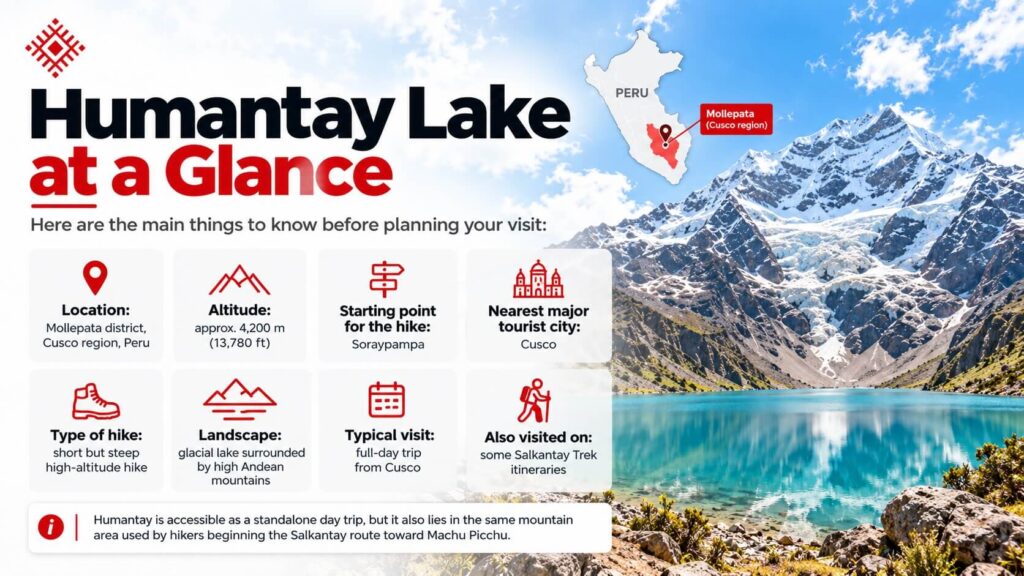
Humantay is accessible as a standalone day trip, but it also lies in the same mountain area used by hikers beginning the Salkantay route toward Machu Picchu.
Where Is Humantay Lake?
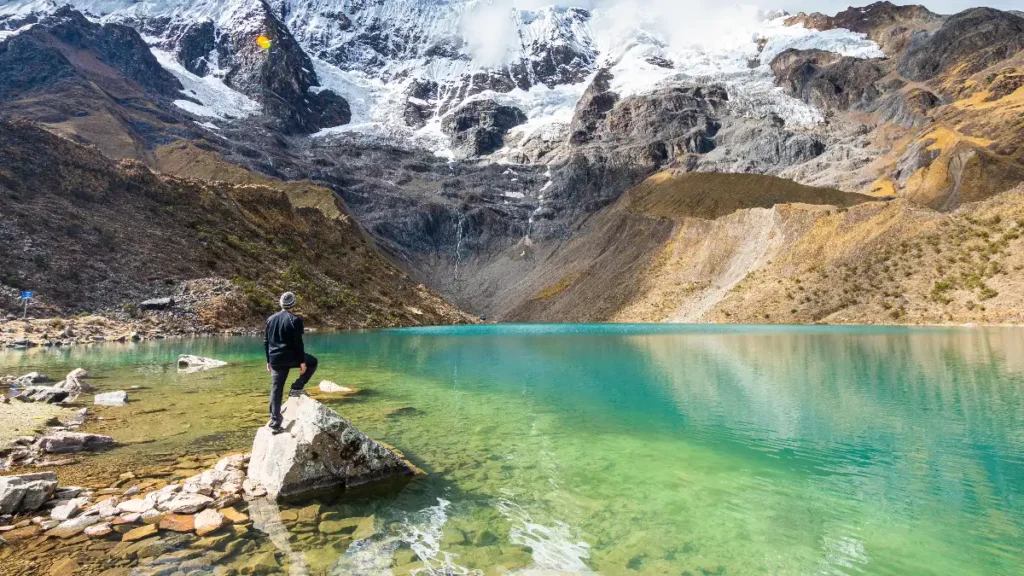
Humantay Lake is located in the district of Mollepata, in the Anta province of the Cusco region.
The lake lies high in the Vilcabamba mountain range beneath Mount Humantay and close to the Salkantay trekking route. Most visitors approach it from Soraypampa, a high-altitude settlement and trekking area that serves as the starting point for the final hike.
From Cusco, the usual route follows this general sequence:
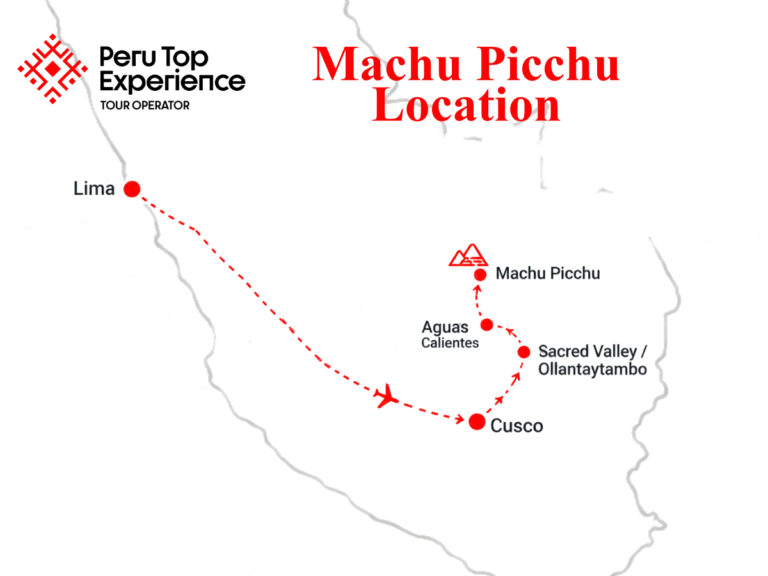
Cusco → Mollepata → Soraypampa → Humantay Lake
The road journey represents a large part of the day, which is why visiting Humantay Lake is normally treated as a full-day excursion rather than a short morning hike.
How High Is Humantay Lake?
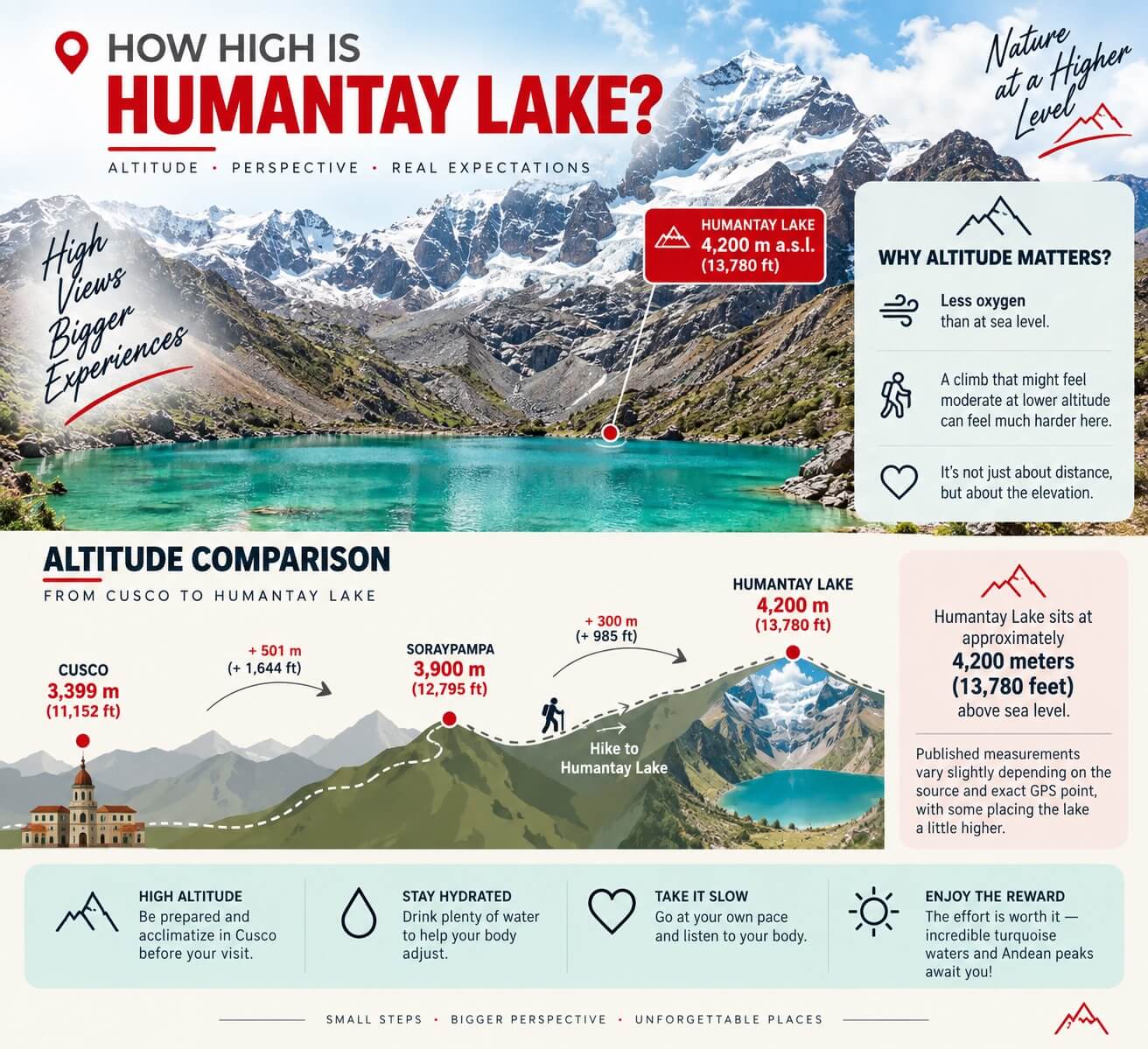
Humantay Lake sits at approximately 4,200 meters (13,780 feet) above sea level. Published measurements vary slightly depending on the source and exact GPS point, with some placing the lake a little higher.
That altitude is one of the most important things to understand about the hike.
Soraypampa itself is already around 3,900 meters above sea level, so you begin walking at an elevation significantly higher than Cusco. From there, the route climbs toward the lake.
At this elevation, there is less available oxygen than at sea level. As a result, a climb that might feel moderate at lower altitude can feel considerably harder here.
This is why Humantay Lake should not be judged by distance alone.
Why Is Humantay Lake Turquoise?
The striking color of Humantay Lake comes from its glacial environment.
Water reaching the lake originates from the surrounding mountain and glacier system. Glacial erosion produces extremely fine mineral and rock particles that can remain suspended in the water. These particles interact with light and help create the blue, green and turquoise tones associated with glacial lakes.
However, visitors should not expect the lake to look exactly the same every day.
Its appearance changes with:
- sunlight
- cloud cover
- weather
- viewing angle
- time of day
On a bright day, the turquoise can be particularly intense. Under heavy cloud, the water may appear darker or greener.
The photographs you see online therefore represent possible conditions, not a guaranteed color.
How Do You Get to Humantay Lake from Cusco?
For most travelers, getting to Humantay Lake involves two stages: traveling from Cusco to Soraypampa and then hiking from Soraypampa to the lake.
Cusco to Mollepata
The first part of the journey takes you west from Cusco toward Mollepata.
Mollepata is one of the main access points for the Humantay and Salkantay area. Organized day trips commonly pass through or stop around Mollepata before continuing deeper into the mountains.
Mollepata to Soraypampa
From Mollepata, the route continues toward Soraypampa.
Road conditions become more rural as you approach the mountain area, and Soraypampa is where the walking section normally begins.
By this stage, you are already close to 4,000 meters above sea level.
Soraypampa to Humantay Lake
The final section must be completed on foot, apart from limited horse assistance that may be available locally for part of the ascent.
The trail begins more gently before becoming noticeably steeper as it approaches Humantay Lake. The combination of gradient and altitude is what makes this relatively short walk challenging.
When you reach the upper section, the lake appears beneath the surrounding mountain slopes, with Mount Humantay rising behind it.
How Difficult Is the Humantay Lake Hike?
The Humantay Lake hike is best considered a moderate-to-challenging high-altitude hike.
It is not a technical trek. You do not need mountaineering skills, ropes or climbing equipment. The challenge comes primarily from three factors:
- the steep ascent
- the elevation
- how well your body has acclimatized
AllTrails, for example, classifies its mapped Humantay Lake route as hard, while traveler reports consistently emphasize the effect of the altitude on the climb.
Someone with good fitness but no acclimatization can struggle more than a slower walker who has already spent several days at altitude.
Fitness helps with the physical climb, but it does not make you immune to altitude problems.
Distance Is Only Part of the Story
Humantay is sometimes described as an easy hike because the walking distance is much shorter than multi-day treks around Cusco.
That can create the wrong expectation.
The final ascent gains several hundred meters while already at roughly 4,000 meters above sea level. The steeper sections can therefore require frequent stops even for people who regularly hike at lower elevations.
A better way to think about Humantay is:
short distance + steep climb + high altitude.
That combination matters more than the number of kilometers alone.
Take the Climb at Your Own Pace
There is little benefit in trying to complete the Humantay ascent quickly.
A slow, consistent pace is normally more appropriate at altitude. Take short breaks when required and pay attention to how you feel rather than trying to keep up with faster hikers.
The lake is the destination; reaching it comfortably matters more than recording a fast hiking time.
Acclimatization Before Visiting Humantay Lake
If you have just arrived in Cusco from sea level, Humantay Lake is usually not the ideal first activity on your itinerary.
Cusco itself is already approximately 3,350 meters above sea level, while Humantay rises to around 4,200 meters. The jump in elevation is significant.
The CDC explains that the body needs time to adapt to reduced oxygen at high elevations and recommends gradual ascent wherever possible. Its current guidance on high-altitude travel emphasizes acclimatization rather than relying on physical fitness alone.
For many travelers, spending some time in Cusco or another Andean destination before attempting strenuous high-altitude activities can make the experience more manageable.
Easy sightseeing days can also be useful at the beginning of a Cusco itinerary before adding demanding mountain excursions.
Know the Signs of Altitude Illness
Headache, nausea, unusual fatigue, dizziness and loss of appetite can be symptoms of acute mountain sickness.
Do not treat worsening symptoms as something you simply need to “push through.”
Anyone with underlying heart, lung or other relevant medical conditions should discuss high-altitude travel with an appropriate healthcare professional before the trip.
Can You Take a Horse to Humantay Lake?
Horses are commonly available around the Humantay trail and can cover part of the uphill route.
They should not, however, be considered a guaranteed ride all the way to the edge of the lake.
Depending on local conditions and how the service is operating that day, you may still need to walk sections of the route, particularly toward the upper area.
Horse services are generally arranged locally and should be treated as an optional form of assistance rather than a substitute for being prepared to walk at altitude.
If you believe you may need one, carry local currency and ask about the current arrangement before beginning the climb.
Who Is the Humantay Lake Hike Best For?
Humantay Lake works particularly well for travelers who want to experience high Andean scenery without committing to a multi-day trek.
It can be a good choice for:
- hikers who enjoy mountain landscapes
- photographers
- travelers looking for a full-day excursion from Cusco
- visitors considering a first high-altitude hike
- people who want to see part of the Salkantay mountain environment
It is less suitable for anyone expecting an easy sightseeing stop with almost no physical effort.
You should also consider the hike more carefully if you have just arrived at altitude, have significant mobility limitations or have a medical condition that could be affected by strenuous activity at elevation.
When Is the Best Time to Visit Humantay Lake?
Humantay Lake can be visited throughout much of the year, but conditions in the Cusco Andes change considerably between the drier and wetter parts of the year.
Dry Season
The drier period in the Cusco region generally runs from around May to September.
These months tend to offer a greater chance of clear mountain views and drier trails. They are also part of the busiest travel season in Cusco, so popular destinations can receive more visitors.
Dry does not mean warm.
At more than 4,000 meters, mornings can be very cold, and weather can change rapidly.
Rainy Season
The wetter period generally falls between November and March, with the transition months varying from year to year.
During this time you can expect a greater chance of:
- rain
- cloud
- slippery or muddy sections
- reduced mountain visibility
The advantage is that the surrounding landscape can appear greener and visitor patterns may differ from the peak dry-season months.
If traveling during the rainy season, waterproof layers and suitable footwear become particularly important.
What About April and October?
April and October are transition months.
Conditions can combine characteristics of both seasons, making them difficult to predict far in advance. They can nevertheless be attractive months for travelers trying to balance weather and visitor numbers.
Whatever month you choose, mountain weather should never be treated as guaranteed.
What to Wear to Humantay Lake
Layering is the most practical strategy.
The weather at the trailhead, during the climb and at the lake can feel very different. You may be cold early in the morning, warm quickly while climbing and then become cold again when you stop at the exposed lake.
Useful clothing includes:
- moisture-wicking base layer
- fleece or warm mid-layer
- wind-resistant outer layer
- waterproof jacket
- comfortable hiking trousers
- warm hat
- gloves during colder periods
- hiking shoes or boots with reliable grip
Avoid dressing only for the conditions you experience when leaving Cusco.
The relevant weather is the weather at more than 4,000 meters.
What to Bring to Humantay Lake
Pack lightly, but carry the essentials you may need during the hike.
A practical Humantay Lake packing list includes:
- water
- small daypack
- sun hat
- sunglasses
- high-SPF sunscreen
- rain jacket or poncho
- warm layer
- snacks
- personal medication
- toilet paper or tissues
- local currency for small expenses
- camera or phone
- portable battery if needed
Sun protection is especially important at high altitude because ultraviolet exposure increases with elevation.
You should also avoid carrying an unnecessarily heavy backpack. Every additional kilogram becomes more noticeable during a steep climb at altitude.
Humantay Lake Tour vs. Visiting Independently
It is possible to organize a trip toward Humantay independently, but the decision is mostly about logistics rather than access to the trail itself.
Visiting Humantay Lake Independently
Independent travel offers more control over your schedule, but you need to arrange the different transportation stages yourself.
The main logistical challenge is reaching Soraypampa and ensuring you have a reliable way back.
Public transport can take you part of the route, but the final access is not as straightforward as traveling between major towns. Independent visitors therefore need to research current connections carefully rather than assuming they can simply arrive and depart whenever they want.
This option tends to suit travelers who:
- are comfortable organizing local transport
- speak enough Spanish to handle changing logistics
- have flexibility with timing
- prioritize independence over convenience
Taking an Organized Tour from Cusco
A tour simplifies the main logistical parts of the day by combining transportation and the mountain visit into one itinerary.
For travelers with limited time in Cusco, this is often the more straightforward approach.
If you prefer to have the day organized from Cusco rather than coordinating the route independently, you can see our Humantay Lake Tour from Cusco.
Before booking any Humantay tour, check exactly what is included, where the pickup takes place, what expenses are separate and how the hiking portion is managed.
Those details matter more than simply choosing the cheapest option.
Humantay Lake as Part of the Salkantay Trek
Humantay Lake is not only a day-trip destination.
It is closely associated with the Salkantay trekking area, and some travelers visit it as part of a longer route rather than traveling from Cusco solely for the lake.
This distinction is useful when planning a Peru itinerary.
If you are already planning to hike Salkantay, check whether your chosen itinerary includes Humantay Lake before booking a separate day trip. Doing both may unnecessarily repeat the same transfer and mountain area.
For travelers who want Humantay to be the beginning of a larger trekking experience, our 5-day Salkantay Trek is the more relevant itinerary to compare with a standalone Humantay excursion.
And if you are still deciding which Salkantay option fits your trip, you can explore the full range of Salkantay tours from Cusco.
Humantay Lake or Rainbow Mountain?
Humantay Lake and Rainbow Mountain are two of the most popular high-altitude day hikes from Cusco, but they offer very different landscapes.
Choose Humantay Lake if your priority is:
- a glacial mountain landscape
- turquoise water
- views around the Salkantay range
- a shorter but steep ascent
Choose Rainbow Mountain if your priority is:
- unusual geological colors
- wide high-Andean landscapes
- reaching an even higher viewpoint
- seeing one of the Cusco region’s most recognizable natural landmarks
Neither should be considered an easy low-altitude excursion.
Both involve significant elevation, so doing them on consecutive days may not be the best choice for every traveler.
If you have enough time in Cusco, spacing demanding hikes between lower-intensity sightseeing days can make the itinerary more comfortable.
Is Humantay Lake Worth Visiting?
Humantay Lake is worth considering if you enjoy mountain scenery and are comfortable with a physically demanding day trip.
Its main attraction is not simply the turquoise water. The experience also includes traveling deep into the Andes, walking above 4,000 meters and seeing the glaciated Humantay–Salkantay landscape at close range.
However, expectations matter.
The lake is popular, so you should not expect an isolated wilderness experience. The color of the water also varies with weather and light, and reaching it requires considerably more effort than many photographs suggest.
Travelers who understand those conditions before going are in a much better position to enjoy the experience for what it actually is.
Tips for a Better Humantay Lake Experience
A few decisions can make a substantial difference to your day:
- Do not make Humantay your first activity after arriving from sea level. Give your body time to adjust to Cusco’s elevation.
- Take the climb slowly. A steady pace is more useful than trying to keep up with the fastest person in your group.
- Bring layers. Conditions change quickly between the early morning, climb and exposed lake area.
- Protect yourself from the sun. High-altitude UV exposure can be intense even when temperatures feel cold.
- Carry water but keep your backpack light. Bring what you need without adding unnecessary weight.
- Check what your tour actually includes. Transport, entrance fees, meals and optional services can vary between operators.
- Check your Salkantay itinerary first. If you are already trekking through this area, you may not need a separate Humantay day trip.
- Respect the lake and surrounding landscape. Take your rubbish with you, remain on established paths and follow local instructions around the water.
Final Thoughts: Planning Your Visit to Humantay Lake
Humantay Lake combines several of the features that make the Cusco Andes memorable: glacial scenery, high mountains, turquoise water and a challenging hike that can be completed as a day trip.
But the most important thing to know is that Humantay is a high-altitude experience, not simply a short walk to a viewpoint.
The lake sits at roughly 4,200 meters, and the final climb from Soraypampa can feel demanding even for otherwise fit travelers. Proper acclimatization, realistic expectations and suitable clothing make a significant difference.
If Humantay is the main mountain experience you want to add to your Cusco itinerary, a full-day Humantay Lake tour is the simplest way to organize the route.
If you want the lake to be part of a longer Andean adventure toward Machu Picchu, consider visiting it in connection with the Salkantay Trek instead.