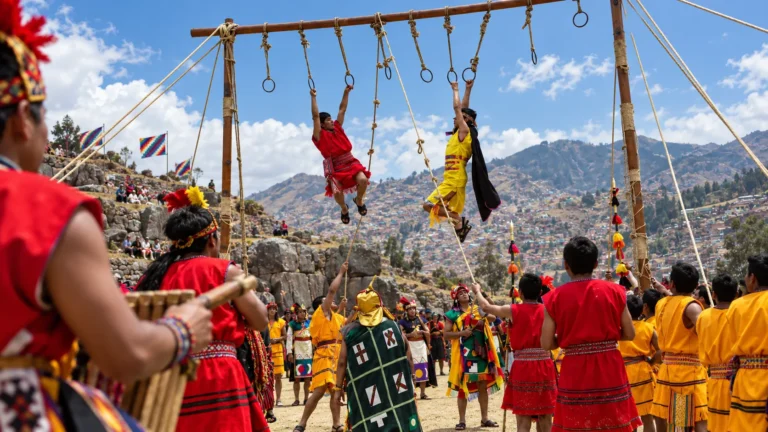


CUSCO, PERU — Every June 24, the Imperial City re-enacts the Inti Raymi, the ancient celebration where the Incas paid tribute to the Sun God, Inti, to express gratitude for the harvest. Today, this traditional ceremony draws thousands of global travelers and reinforces a fundamental reality: Cusco preserves a living civilization where archaeological heritage, biodiversity, gastronomy, and traditional communities converge.
Its authentic cultural value goes far beyond the traditional concept of a tourist attraction, positioning the region as Peru’s true economic and social catalyst.
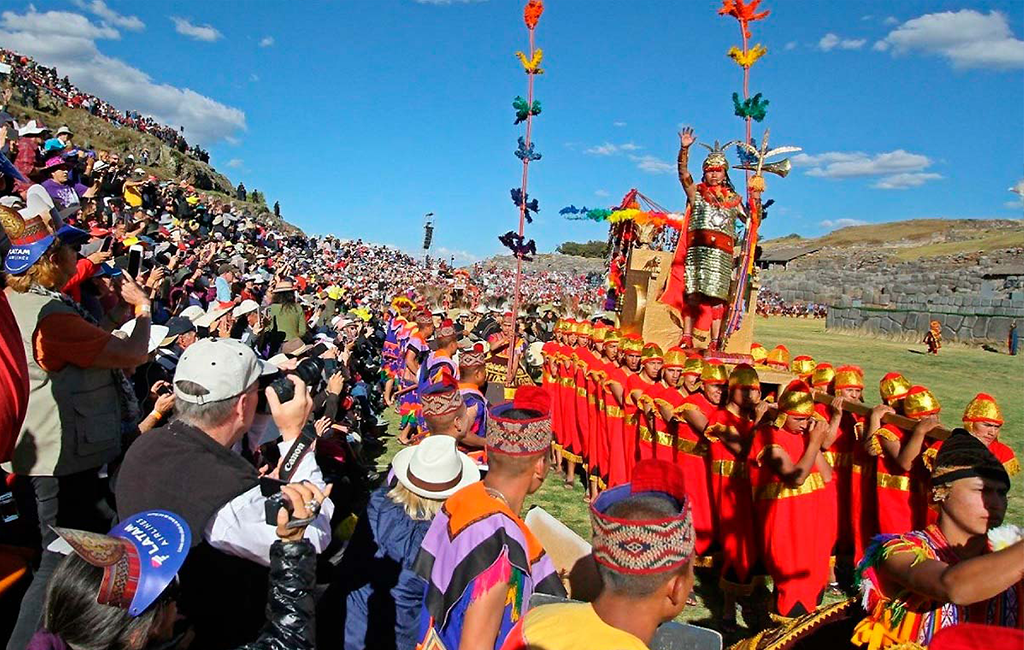
The Supply Chain: Cross-Sector Income Distribution and Socioeconomic Impact
The momentum generated by international visitor flows to Cusco triggers a productive chain reaction that directly impacts both local and regional economies:
- Transversal Income Distribution: Tourism spending flows directly to airlines, transport providers, licensed guides, artisans, local farmers, restaurants, and small entrepreneurs in areas where sustainable economic alternatives are scarce.
- Social Cohesion and Evolving Traveler Profiles: A growing segment of travelers is emerging beyond traditional sightseeing, seeking nature, wellness, gastronomy, and purpose-driven journeys that connect with local heritage.
Tourism Decentralization and Future Policy Directives
Consolidating this potential requires long-term policy vision that formally recognizes tourism as a national strategic industry, viewing Cusco not as a standalone destination, but as the gateway to a much broader regional territory.
- Promoting Emerging Heritage Sites: Sites like Choquequirao, Waqrapukara, Huchuy Qosqo, and T’aqrachullo represent immediate opportunities to diversify the tourist offer and capture new market segments.
- Sustainability and Site Relief: Investing in regional decentralization alleviates operational pressure on established landmarks like Machu Picchu, safeguarding heritage preservation for future generations.